

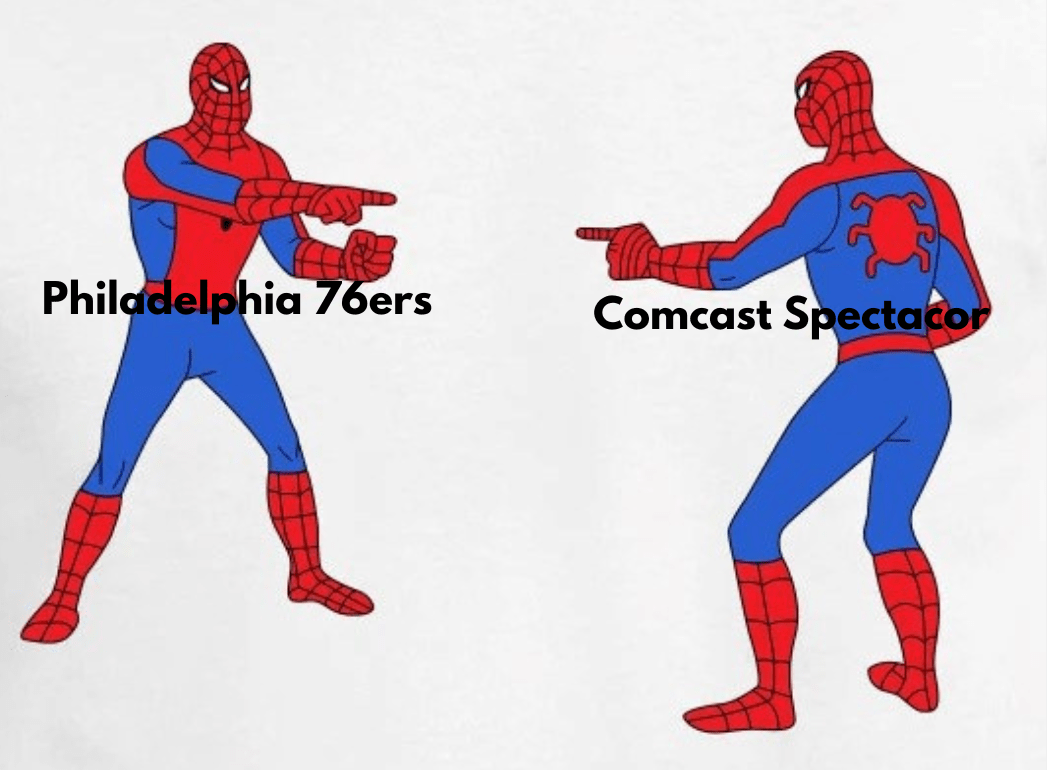
Nature abhors a vacuum. The so-called “independent studies” of the impact of the Sixers’ proposal to build a basketball arena atop Jefferson Station are months overdue. So in recent weeks, the Philadelphia 76ers and their landlord, Comcast Spectacor, have released studies touting the economic benefits – or lack thereof – of a new arena.
Bisnow reports:
The Philadelphia Industrial Development Corp. is eight months overdue in releasing an economic and community impact report likely to decide whether city officials hop aboard the 76ers’ pitch to build a $1.5B arena in Center City.
Now the main stakeholders in the decision are getting antsy. Over the past several weeks, two consultant-led studies have dropped, yielding radically different potential economic and commercial real estate outcomes to building a second major arena.
Who should CRE believe? Neither, several economists told Bisnow, adding that the impact of two stadiums on the industry would be more nuanced. But the most likely result is that instead of doubling opportunity, hosting two major stadiums would merely redistribute where activity is happening, spreading a finite number of dollars over a wider canvas.
“All they need to do is convince some people that this number is objective when it’s not,” Dennis Coates, a professor of economics at the University of Maryland, Baltimore, said of rival reports from the 76ers organization and Comcast Spectacor, whose Wells Fargo Center in South Philly would compete with a new arena.
One promises boom times ahead for city coffers, schools and real estate developers operating in and around a new 76ers arena. The other claims dueling arenas would split the market, draining potential attendance and revenue from both.
Economists say such studies are built upon different benchmarks that serve a specific purpose, and they aren’t a good guide for local developers, politicians or other stakeholders to use for decision-making, especially this year or at any prebuilding stage.
Coates said the real estate players poised to benefit from arena development are naturally those in close proximity that could see “greater demand, charge my tenant higher or even sell the land,” especially when a stadium first opens, he said.
But those near venues that lose a regular team, even to a stadium a few miles away, are set up for a corresponding amount of business going out the door, he said.
 PHL Watchdog