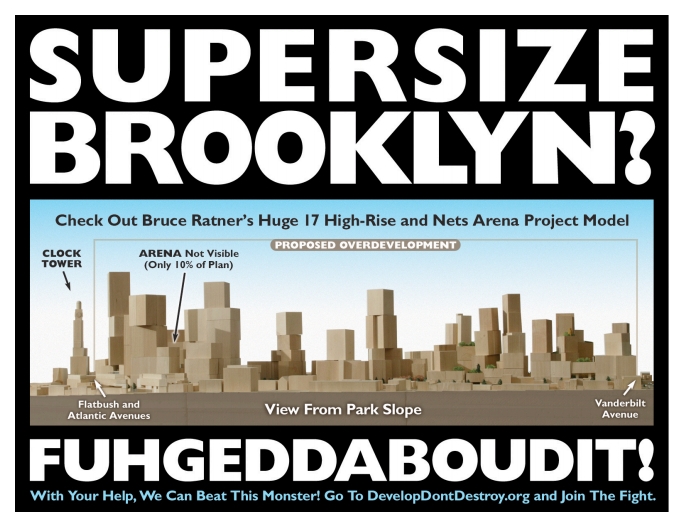
I was involved with Develop Don’t Destroy Brooklyn, a community-based campaign opposed to Atlantic Yards, a $4 billion mixed-use commercial and residential development project that included a new basketball arena for the then-New Jersey Nets. Community members were concerned the project would displace residents, and destroy small businesses and the historic fabric of the neighborhood.
My antenna went up when the Philadelphia 76ers announced their proposal to build a basketball arena – 76 Place – adjacent to Chinatown. The Sixers’ promises of opportunities for Black-owned businesses were the same promises they made in their rejected taxpayer-funded proposal for a basketball arena at Penn’s Landing. Since the July 2022 announcement of 76 Place, David Adelman and his media team have sprinkled their divide communities of color and conquer strategy with factoids and unsubstantiated projections of new tax revenues.

Nothing in life is free. Still, the Sixers claim that residents of the poorest big city in the country would not have to pay for SEPTA and infrastructure upgrades, and increased police security at 11th and Market, a decades-old crime hot spot.

Getting facts about the public transit-oriented project is as elusive as the 76ers getting past the second round of the NBA playoffs. So I submitted Right-To-Know Law requests to Mayor Jim Kenney, City Council members, City agencies that have jurisdiction over some aspect of 76 Place, and SEPTA.
The City and SEPTA denied my requests. I filed appeals to the Pennsylvania Office of Open Records (OOR). The Law Department consolidated the requests on appeal. The final determination in the consolidated appeals is due January 17, 2024.
The OOR dismissed my appeal of the Philadelphia Police Department’s denial on the grounds that it was premature. The Police Department said they did not receive my request prior to the filing of the appeal. They said my request was in the spam folder (the RTKL equivalent of the dog ate my homework).
For reasons known only to the Law Department, my appeal of the Philadelphia Planning Commission’s and the Mayor’s Office of Public Engagement’s denials was not included in the City’s consolidated response. So the OOR has issued final determinations for the two agencies.
My appeal of the Mayor’s Office of Public Engagement’s denial was granted in part and denied in part. I requested records related to PIDC’s “independent evaluation” of the 76 Place proposal and the advisory committee created to review and evaluate the responses for proposals to independently evaluate the 76 Place proposal. The OOR determined that portions of my request are sufficiently specific and the request is not repetitive. The OOR determined the City did not prove any RTKL exemptions.
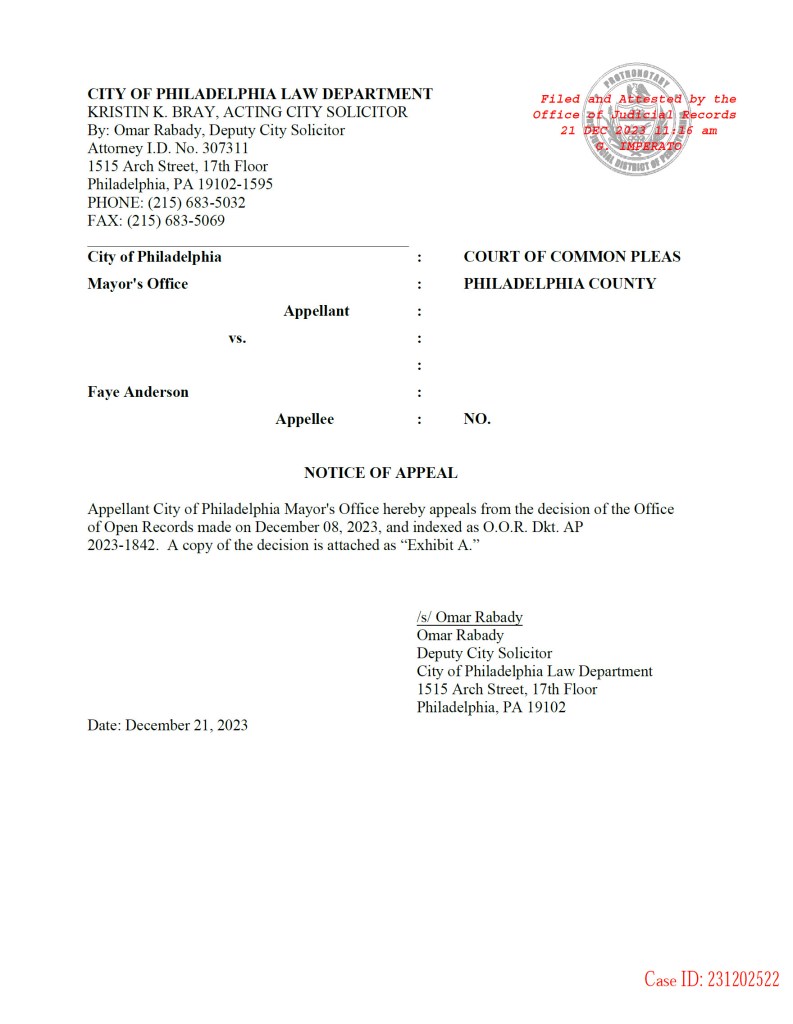
The City was ordered to conduct a good faith search for responsive records by January 7, 2024. Hellbent on withholding records from the public, the City has taken me to court to block release of the records.
My appeal of the Philadelphia Planning Commission’s denial was granted in part and denied in part. The OOR found that portions of my request are sufficiently specific, and that the request is not disruptive or repetitive. The OOR determined the City did not prove any RTKL exemptions. The City simply made conclusory statements of exemption. The OOR denied the City’s request to review the records for possible exemptions.
As with the Mayor’s Office of Public Engagement, the Planning Commission was ordered to conduct a good faith search for responsive records; instead, the City filed an appeal in the Court of Common Pleas of Philadelphia County.
The City’s appeals beg the question: What are they hiding?
The delay tactic is designed to keep the records from seeing the light of day before City Council takes action on the proposed arena. In stark contrast to the “independent studies” paid for by the Sixers, the records that I requested will show what City officials were saying about 76 Place behind closed doors.
 PHL Watchdog