AccessFest is a virtual conference hosted by Investigative Reporters & Editors. The conference will take place online, October 17-19, 2024. AccessFest “focuses on expanding IRE’s efforts to provide more accessible training centered on belonging, equity, and inclusion in the newsroom and through better news coverage of inequities in the communities journalists serve.”
With 57 sessions, AccessFest covers a wide range of topics, including:
Data journalism
Investigative reporting tips
Diversity and inclusion in newsrooms
Covering marginalized communities
As an independent journalist and watchdog, I am particularly interested in the Freelance and Open Records tracks. The full schedule is available here.
The City of Philadelphia released the long-awaited studies on the impact of the Philadelphia 76ers’ proposal to build a basketball arena in Center City today, August 26, 2024. The studies were paid for by the Sixers’ development team, 76 DevCo. The City claims the “developer had no further involvement and PIDC and the City retained all control over selection and management of the consultants.”
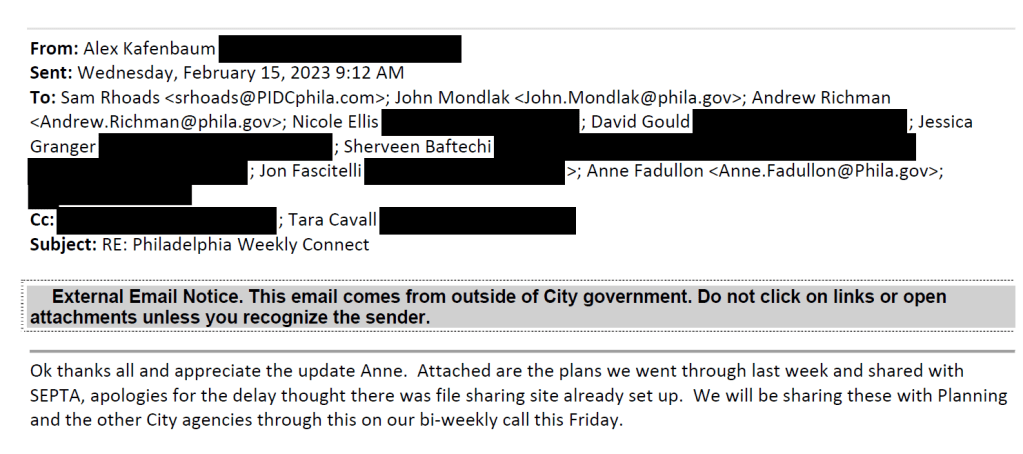
There was no need for the developer (read: 76 DevCo) to be further involved since records received in response to my Right-To-Know Law requests show 76 DevCo representatives have been in constant communication with PIDC and City officials and employees since April 2022.
While I have just begun to read the economic impact report, I have read the literature on sports facilities and their economic impact – and watched John Oliver.
Prof. John Charles Bradbury, a leading authority on the economic impact of sports venues, recently posted this image on X/Twitter.
I am a grown woman. Bradbury’s image is worth more than the 73-page “New Sixers Arena: Incremental Event Economic Impact Analysis.” The report was submitted to Sam Rhoads, executive vice president of the Philadelphia Industrial Development Corporation (PIDC). Rhoads convened weekly meetings with the developer.
The public is invited to share “constructive feedback” here. I’ll share my comments at the public hearings on the reports.
It should be noted the Sixers’ public transit-oriented project needs more than the approval of Mayor Cherelle Parker and City Council. The City of Philadelphia could green-light the project but SEPTA must approve building the arena atop Jefferson Station. My open records requests show SEPTA officials were also in constant communication with 76 DevCo representatives since April 2022. SEPTA is on board but the agency is facing a fiscal cliff and oversight by the Federal Transit Administration.
The Philadelphia 76ers announced their proposal to build a basketball arena atop SEPTA’s Jefferson Station on July 21, 2022. Public records show 76 Place representatives had been meeting with SEPTA and Philadelphia government officials as early as April 2022.
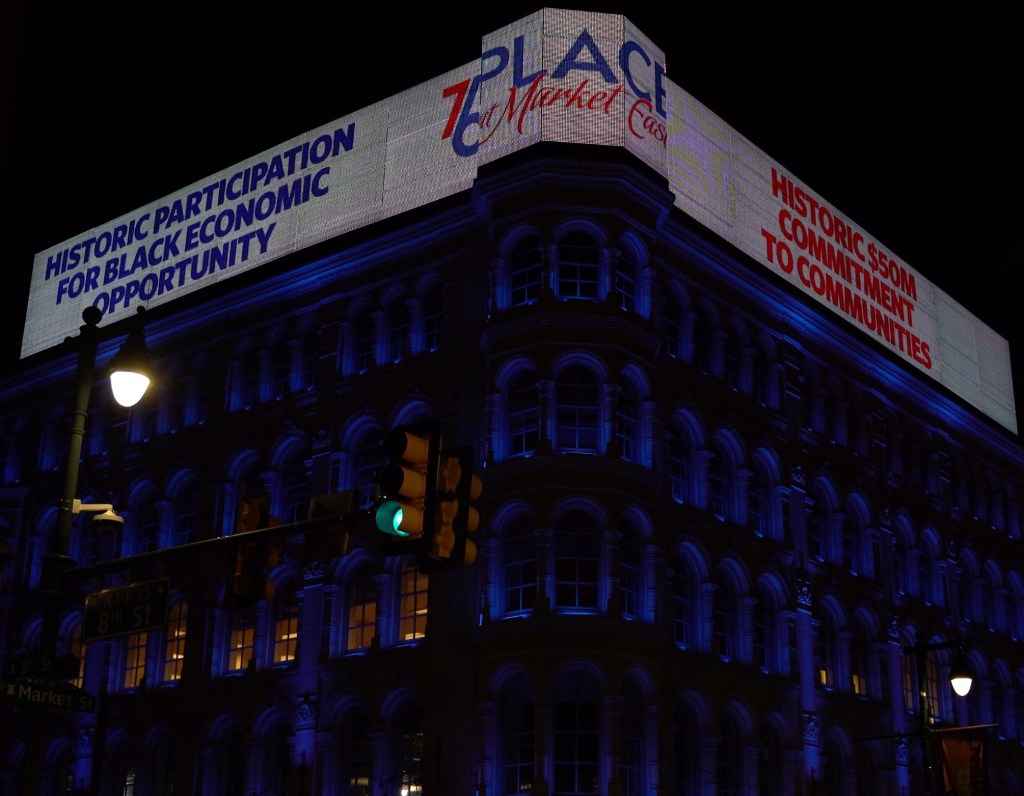
The 76ers have spent millions on unsuccessful mayoral candidate, lobbyists, lawyers, architects, traffic engineers, consultants, public relations, Astroturf community meetings, canvassing, and race-baiting billboard.
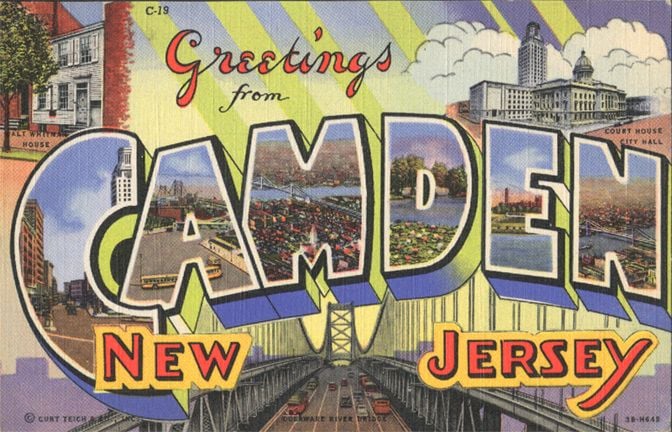
Two years later, their millions have brought the 76ers no closer to getting the approvals necessary to build an arena that would benefit no one other than the billionaire owners themselves. So like a two-year-old, the owners are throwing a tantrum. They reportedly are in negotiations to build an arena in Camden, New Jersey where their headquarters and practice facility are located. ROI-NJ reports:
The sources indicated that talks have picked up recently, in part because HBSE’s efforts to build a new arena in Center City Philadelphia have hit repeated roadblocks, despite the fact that the owners have indicated they would self-finance the $1.3 billion proposed project.
[…]
The clock appears to be ticking on 76 Place. In order to be ready for 2031-32 season, construction likely would need to begin in 2025. That means approvals from the city need to come this year.
76 Place hype man David Adelman has said there is “no Plan B.” Fact is, the 76ers proposed building an arena at Penn’s Landing in 2020 (Plan A). 76 Place is Plan B. The move to Camden would be, well, Plan C.
To mark the second anniversary of 76 Place, I will submit new FOIA and Right-To-Know Law requests to the Federal Transit Administration, Federal Railroad Administration, SEPTA and Pennsylvania Department of Transportation.
The region’s public transit agency is facing a fiscal cliff. General Manager and CEO Leslie Richards said the agency’s COVID relief funds have dried up and SEPTA is facing a $240 million deficit. The agency was counting on an additional $140 million in state funds. Instead, SEPTA will receive $53 million of the one-time transfer of $80 million to the Public Transit Trust Fund passed by the Pennsylvania legislature on July 11.
SEPTA does not have money to keep the buses, subway, trolleys and trains running, but they have money to pay outside lawyers to fight the Pennsylvania Office of Open Records’ order to produce records related to the Philadelphia 76ers’ proposal to build a basketball arena atop Jefferson Station. The public has a right to know the impact of six years of demolition and construction on SEPTA’s operations and budget.
SEPTA officials and employees have been meeting and consulting about 76 Place since April 2022. Records obtained via my Right-To-Know Law requests to local agencies show that 76 Place representatives embedded themselves in the agency’s operations. SEPTA employees frequently met about 76 Place. Richards and Chief Operating Officer Scott Sauer led SEPTA Board members on “site visits” to 76 Place. The SEPTA Board has a 76 Place subcommittee.
While SEPTA officials and employees huddle with representatives of the 76ers billionaire owners, the agency wants more taxpayers’ money. The beleaguered transit agency should get their money where their employees and officials spend their time.
UPDATE: In a report released on July 15, the Federal Transit Administration ordered SEPTA to fix the “escalating pattern” of safety incidents. The Philadelphia Inquirer reports:
Citing a “deteriorating safety record” with a higher-than-average accident rate, the Federal Transit Administration has ordered SEPTA to better protect transit operators from assaults, improve employee training, and tighten bus and rail procedures to prevent injuries and fatalities.
The regulatory agency found 16 problems that it said make the regional public transit system potentially more dangerous for riders and workers — including staffing shortages in key jobs. In all, it required 24 corrective actions in its exhaustive Safety Management Inspection of SEPTA’s bus, trolley and subway operations, according to a report released Monday.
Improvements will require new spending, especially for hiring, even as SEPTA confronts a $240 million operating deficit, Richards and other executives said. It is not yet clear how much compliance will cost.
I submitted Right-To-Know Law requests for records related to the Philadelphia 76ers’ proposal to build a basketball arena atop Jefferson Station in August 2023. The City of Philadelphia denied all of my requests so I filed an appeal with the Pennsylvania Office of Open Records (OOR).
The OOR issued its final determination on January 9, 2024. My appeal was granted in part and denied in part. The OOR ordered the City to turn over responsive records by February 9, 2024. As expected, the City appealed the OOR’s decision to the Court of Common Pleas Philadelphia County.
Paula Knudsen Burke and Mayeesha Galiba of the Reporters Committee for the Freedom of the Press represent me on appeal. With their back against the wall, the City has agreed to turn over responsive records. The City produced the first batch of records on July 1, 2024.
The Sixers’ pitch to build a $1.5 billion arena in Center City hits its second anniversary this month with little to show beyond slick renderings and millions of dollars spent on lobbying.
Why it matters: The transformational project can potentially turn around the struggling Market East neighborhood but has divided residents and fueled concerns about quality-of-life issues and displacement.
State of play: All eyes remain on PIDC. The public-private development agency has yet to complete independent studies on the economic and community impacts of the plan, known as 76 Place.
Key legislators and officials have said they’re awaiting the completion of those studies before moving forward, including with legislation needed to kickstart the project.
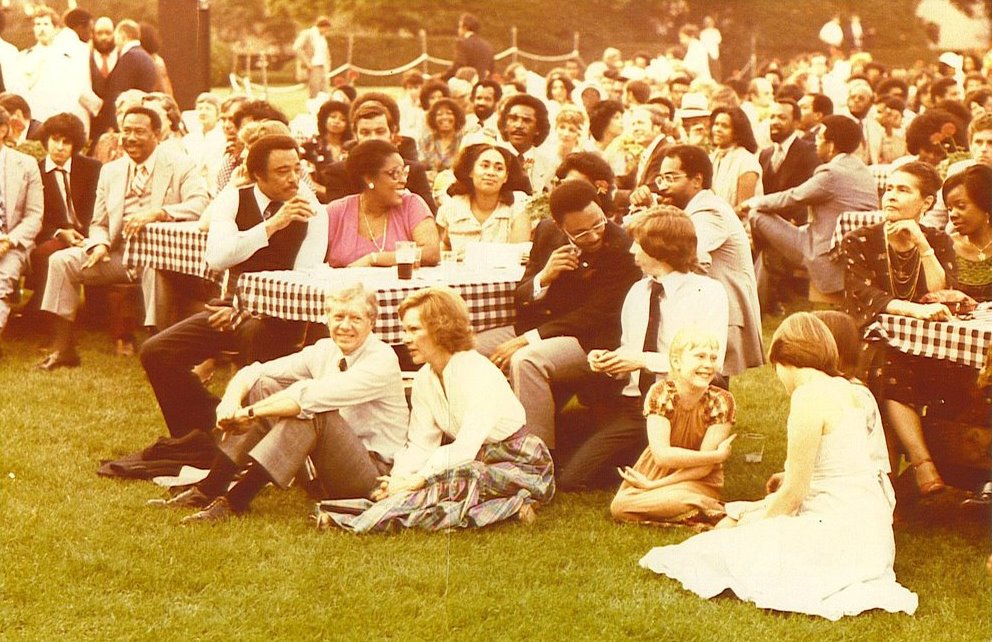
This year marks the 45th anniversary of Black Music Month. The celebration of African American musicians and their contribution to American culture is the brainchild of music mogul and Rock and Roll Hall of Fame inductee Kenny Gamble, radio personality and media coach Dyana Williams and Cleveland DJ Ed Wright.
The first celebration was held on June 7, 1979. President Jimmy Carter and First Lady Rosalynn Carter hosted a dinner and concert on the White House’s South Lawn.
I love music. I also love transparency and accountability in government. Sunshine is said to be the best disinfectant (h/t Louis Brandeis). So Black Music Month and, indeed, every month, let the sunshine in.
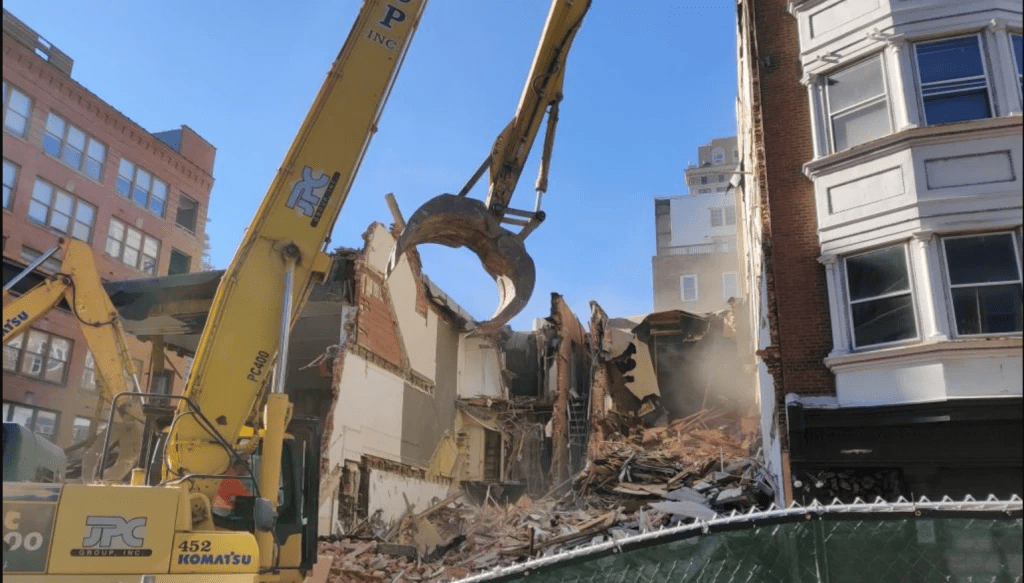
On the eve of Black History Month 2021, Midwood Investment & Development demolished one of the few extant buildings associated with the Underground Railroad. The New York City-based developer demolished the former home of Henry Minton, an elite caterer and abolitionist who played host to icons of American history, including John Brown, Frederick Douglass and William Still.
The Henry Minton House had been the subject of a heated discussion at the Philadelphia Historical Commission in 2019. The road to demolition was paved by the Commissioners who ignored the unanimous recommendation of the Committee on Historic Designation.
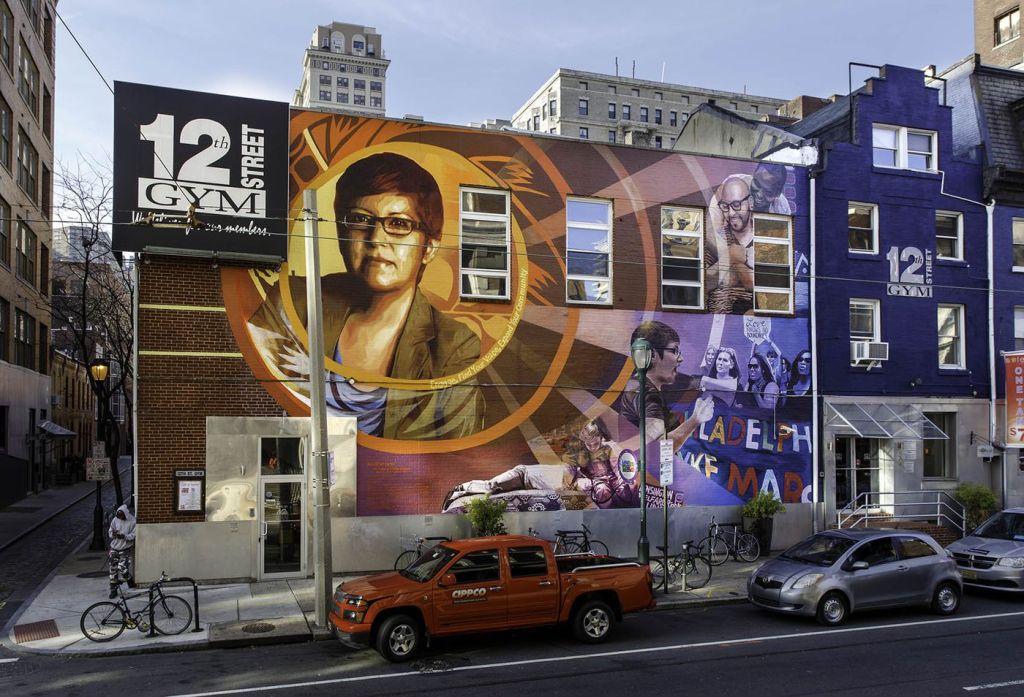
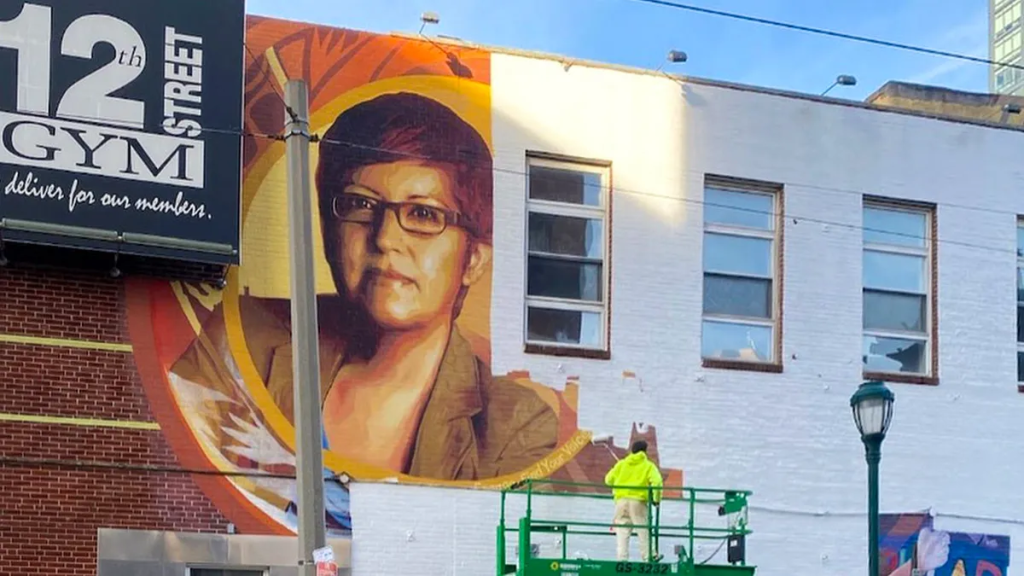
Before demolishing the Henry Minton House, Midwood had painted over a mural honoring LGBTQ+ activist Gloria Casarez which adorned a wall of the 12th Street Gym.
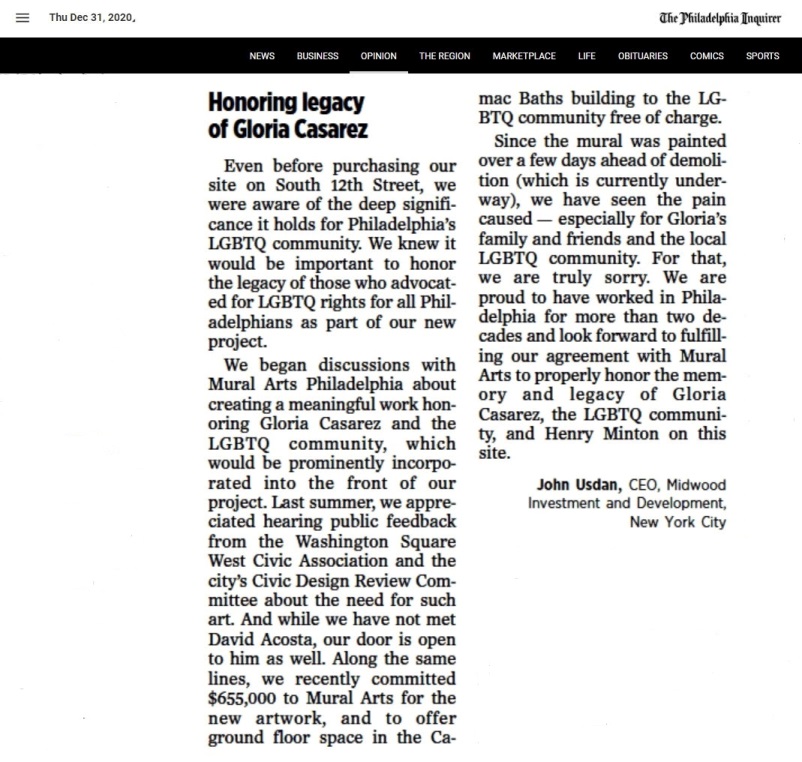
The whitewashing of Gloria’s mural triggered a media firestorm. Midwood CEO John Usdan promised “to properly honor the memory and legacy of Gloria Casarez, the LGBTQ community, and Henry Minton on this site.”
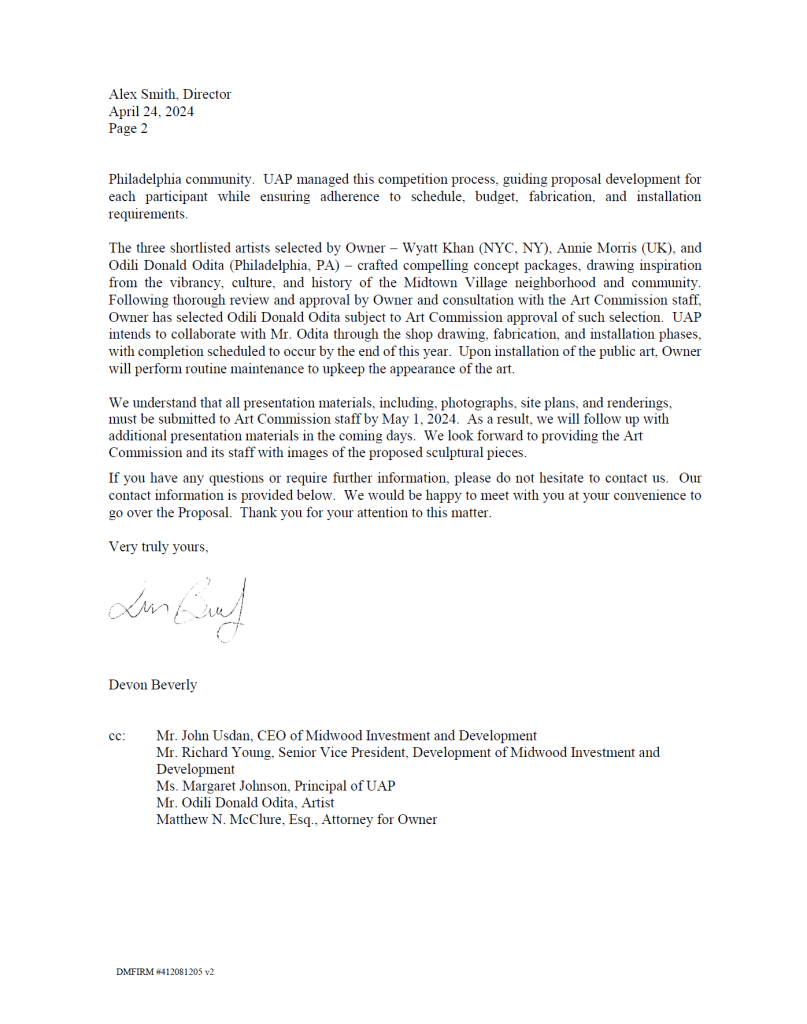
Demolition of the Henry Minton House and 12th Street Gym was not the end of the story. Midwood has a conditional public art density bonus that allows the developer to build more cookie-cutter apartments on the site. 210 S 12th Street is in the footprint of the Henry Minton House and 12th Street Gym. The public art zoning density bonus is site-specific and must be approved by the Philadelphia Art Commission.
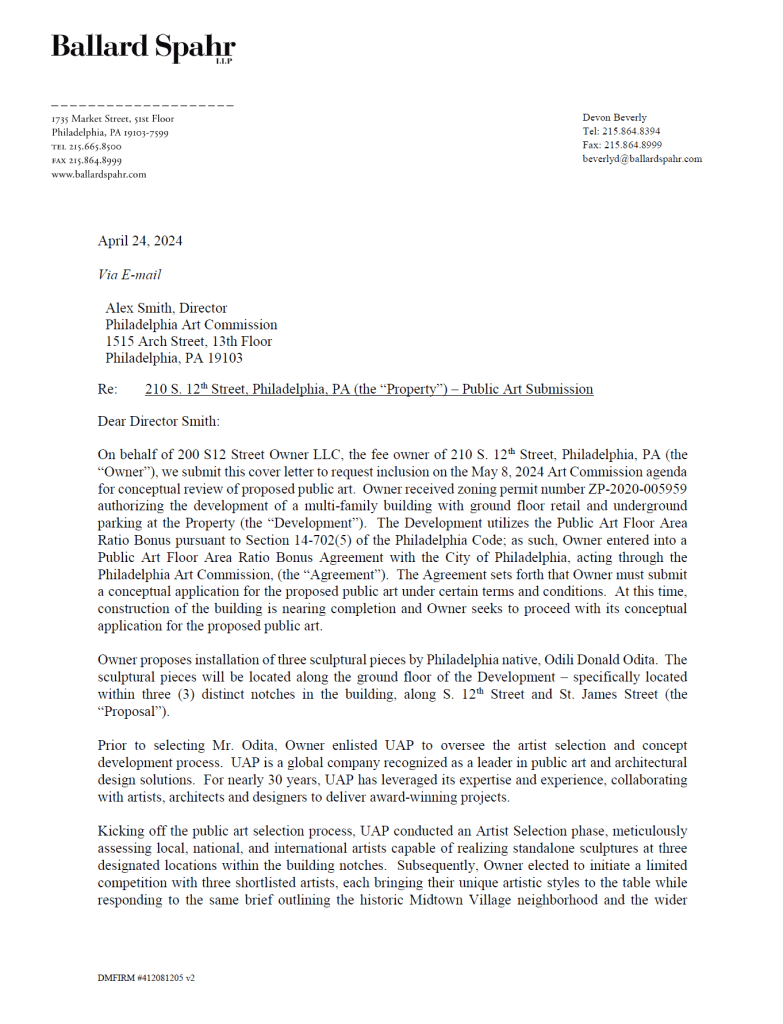
Fast forward to April 24, 2024, the law firm that represented Midwood at the contentious Historical Commission meeting asked to be placed on the Art Commission’s May 8, 2024 agenda. The Commission’s response: Done.
While Art Commission Director Alex Smith met with Midwood’s art curator “over the past year,” the public was given three business days’ notice. The agenda was posted on Friday, May 3, 2024. The Art Commission meeting was held on Wednesday, May 8, 2024.
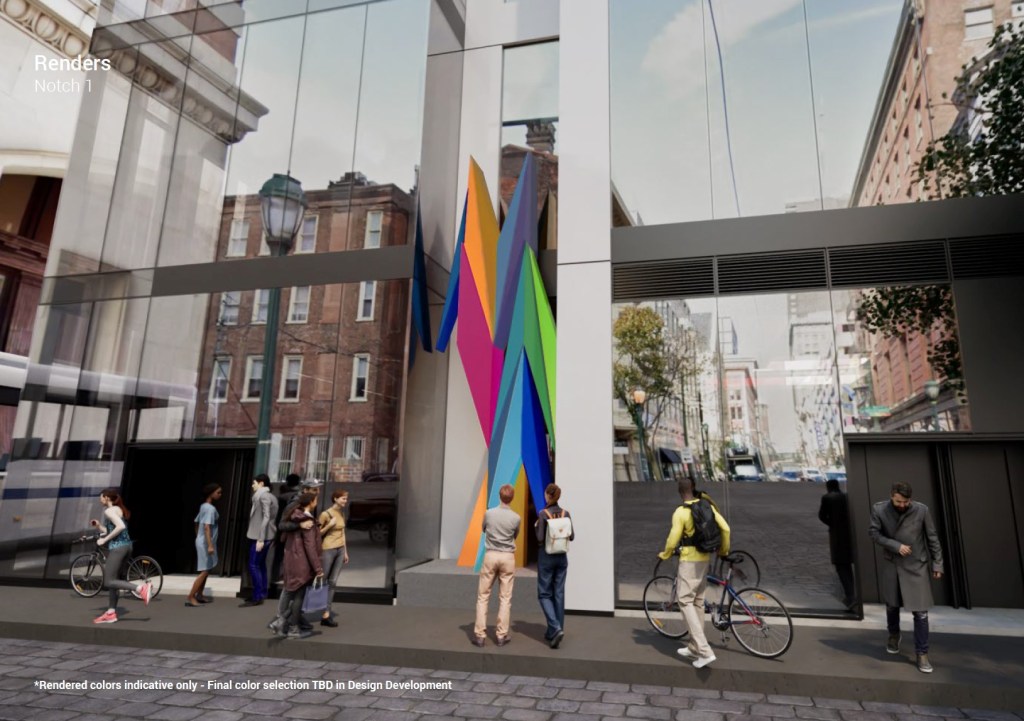
In this shamelessly “corrupt and contented” city, the Art Commission conducted a sham review of Midwood’s concept design. In less than 40 minutes, the Commissioners voted to give final approval to a concept design that erased the African American and LGBTQ+ history of the site. The Commission approved a pig in a poke, e.g., “Rendered colors indicative only – Final color selection TBD in Design Development.”
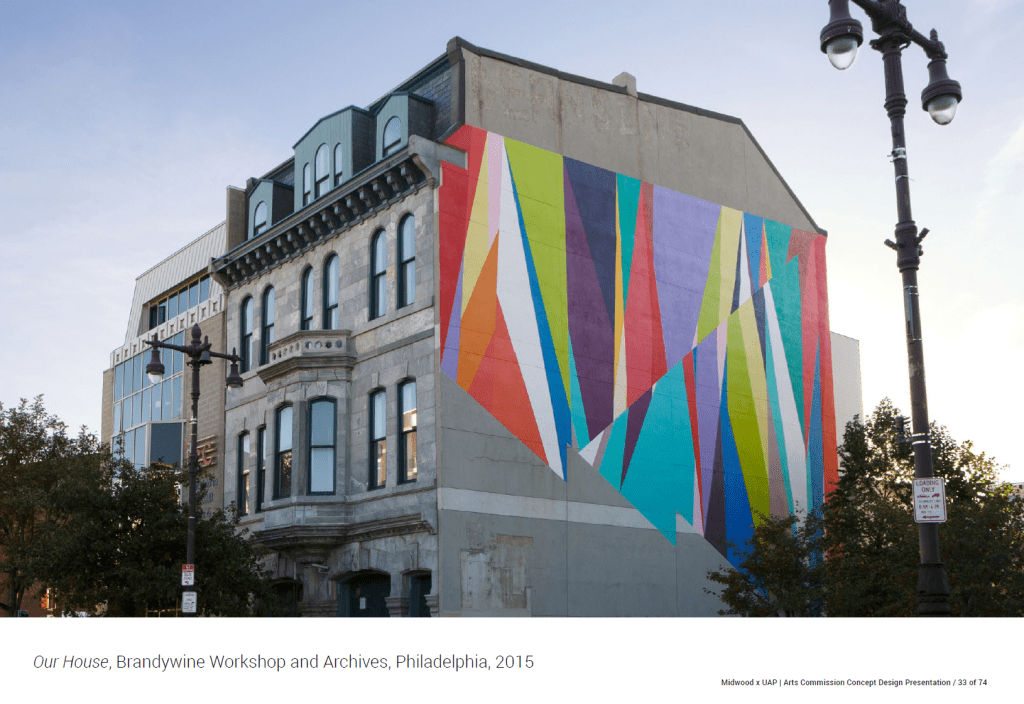
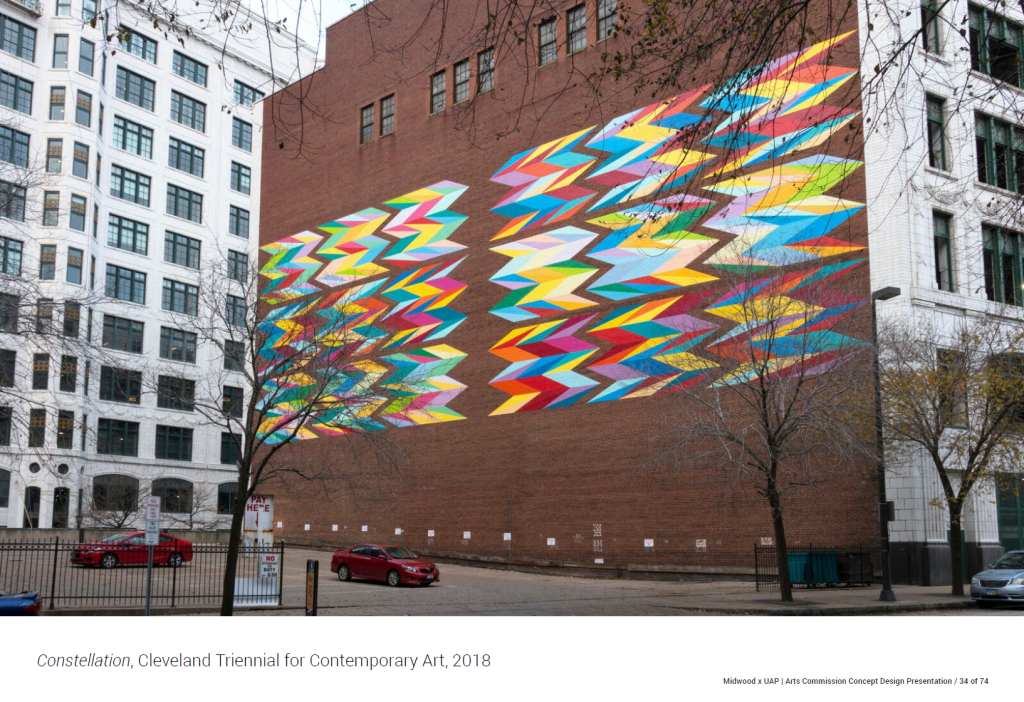
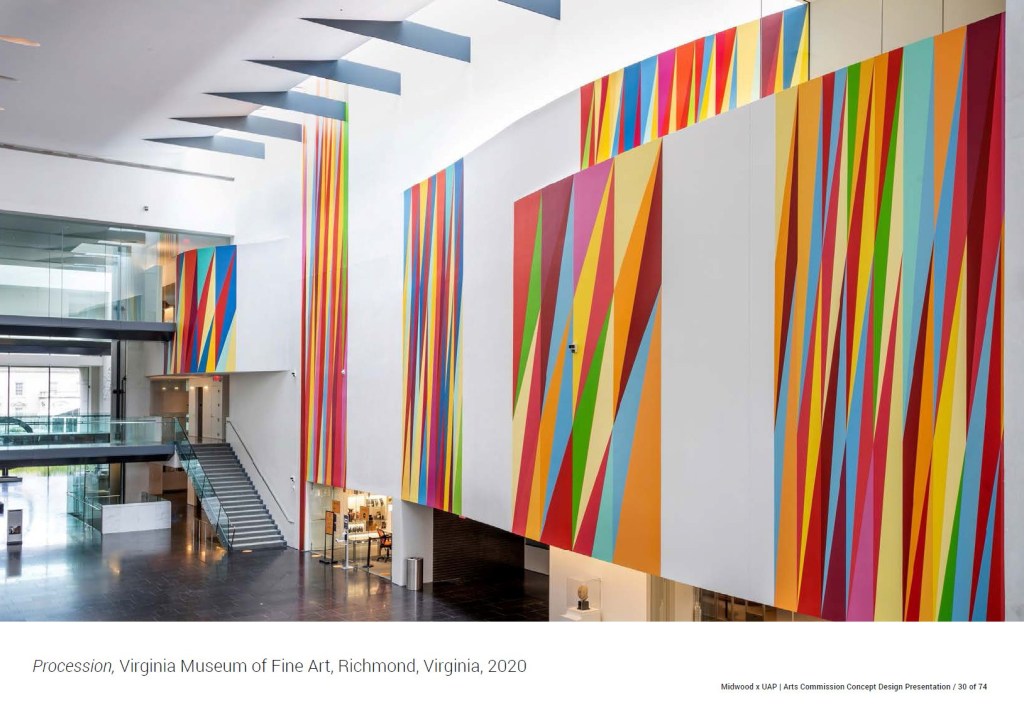
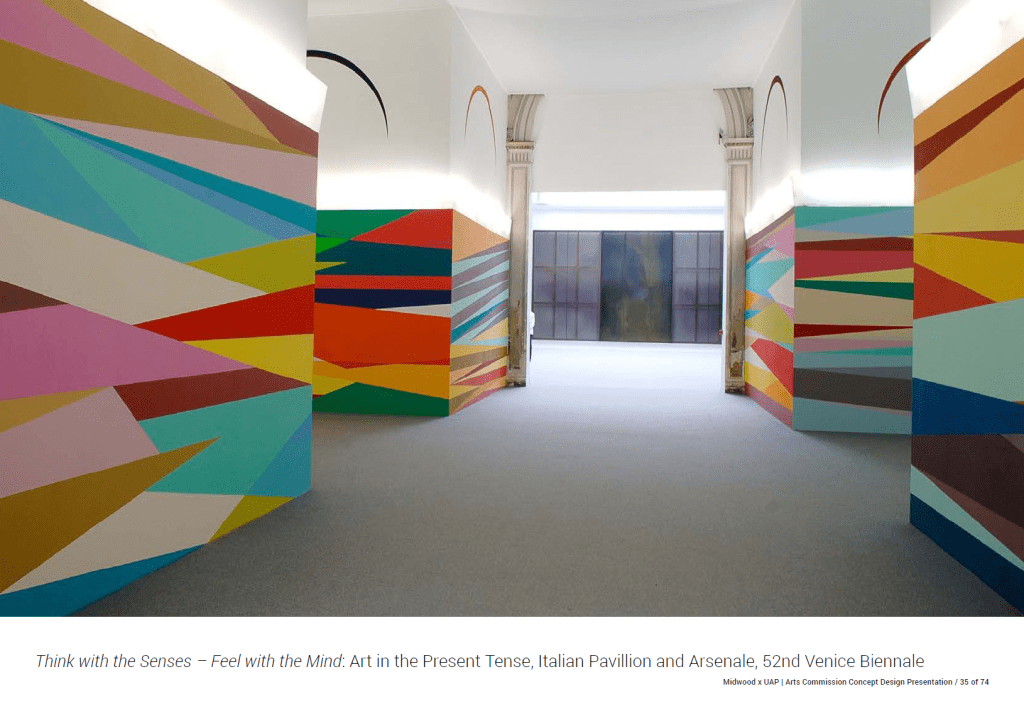
The rendered colors’ similarity to the Pride Rainbow flag is a mere coincidence. Other than the medium, there is nothing new about “Newfound Forms.” Painter Odili Donald Odita’s repetitive design was installed in Philadelphia on a now-blocked mural, Cleveland, Richmond and Venice, among other cities.
Author E.A. Bucchianeri said, “Art is in the eye of the beholder, and everyone will have their own interpretation.” Ray Charles and Stevie Wonder could see final approval of Odita’s repetitive design made a mockery of the site-specific public art density bonus.
I have submitted a Right-To-Know Law request that will shed light on the Art Commission’s perversion of the public art review process.
Back in the day, Shalamar had a hit with “The Second Time Around.” As the song goes, the second time around is “better than the first time.”
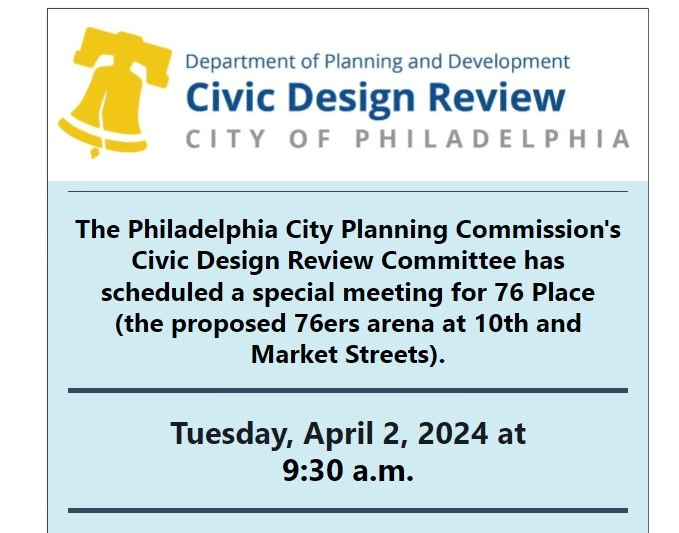
The first time that 76 Place at Market East development team presented their plan before Civic Design Review, the only people who said anything positive about the project are on the Sixers’ payroll. During the public comment period, no one spoke in support of 76 Place.
The development team will sing the same old song that 76 Place is a “win-win” for Philadelphia during their second time before CDR. However, the 106-page CDR Resubmission is no better than the one presented the first time around.
The updated plan leaves unanswered questions that have been asked for nearly two years, including who will pay for infrastructure and SEPTA upgrades? Who will pay to relocate the entrance to the Market-Frankford Line? Who will pay for the disruption in SEPTA service and ridership?
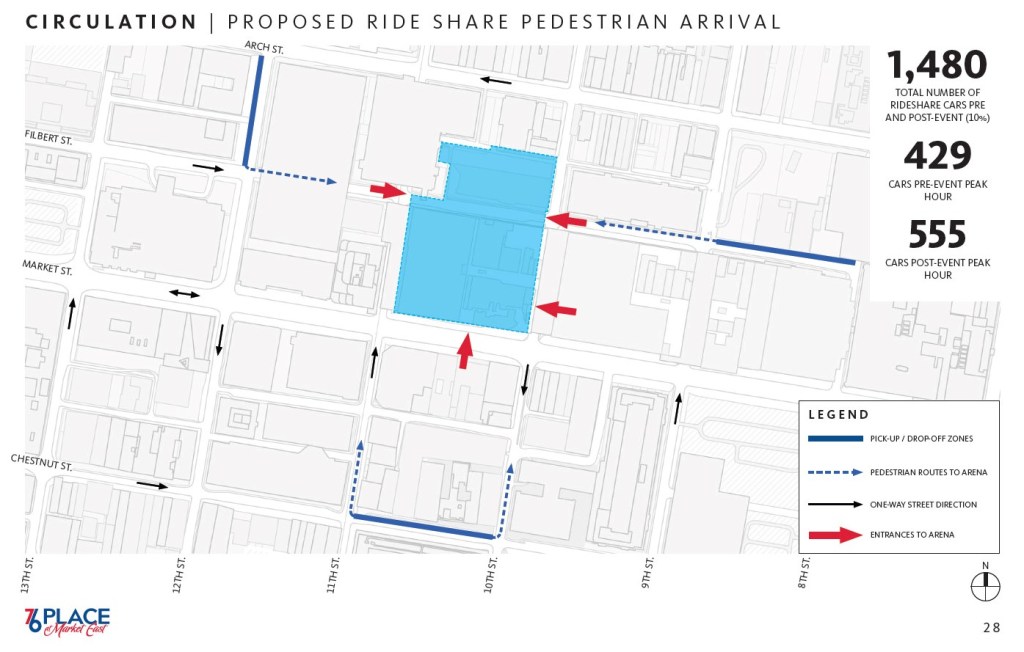
The Sixers propose using 12th and Chestnut Streets as rideshare pick-up and drop-off zones.
The narrow one-way streets are used by Routes 21 and 23, two of SEPTA’s highest ridership bus routes. Demolition, construction and game days would disrupt Route 33.
It is also the second time around for two government officials whose communications with the Sixers are the subject of my Right-To-Know Law Request: Philadelphia City Planning Commission Interim Executive Director Martine Decamp and PCPC Presenter Ian Litwin.
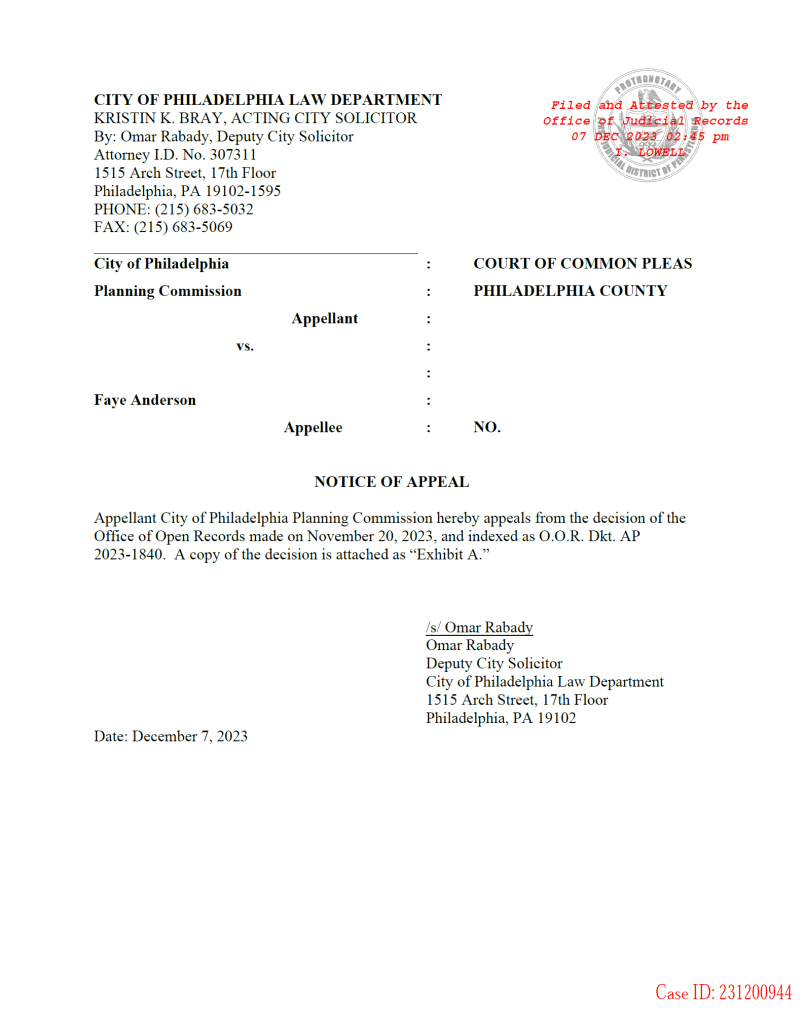
The Pennsylvania Office of Open Records ordered the City Planning Commission to turn over the records. Rather than comply with the OOR’s final determination, the Philadelphia Law Department filed an appeal with the Court of Common Pleas.
I have an appointment to watch paint dry so I will miss the Sixers’ dog and pony show on April 2. If you are interested in joining the Zoom meeting, you can register for the webinar here.
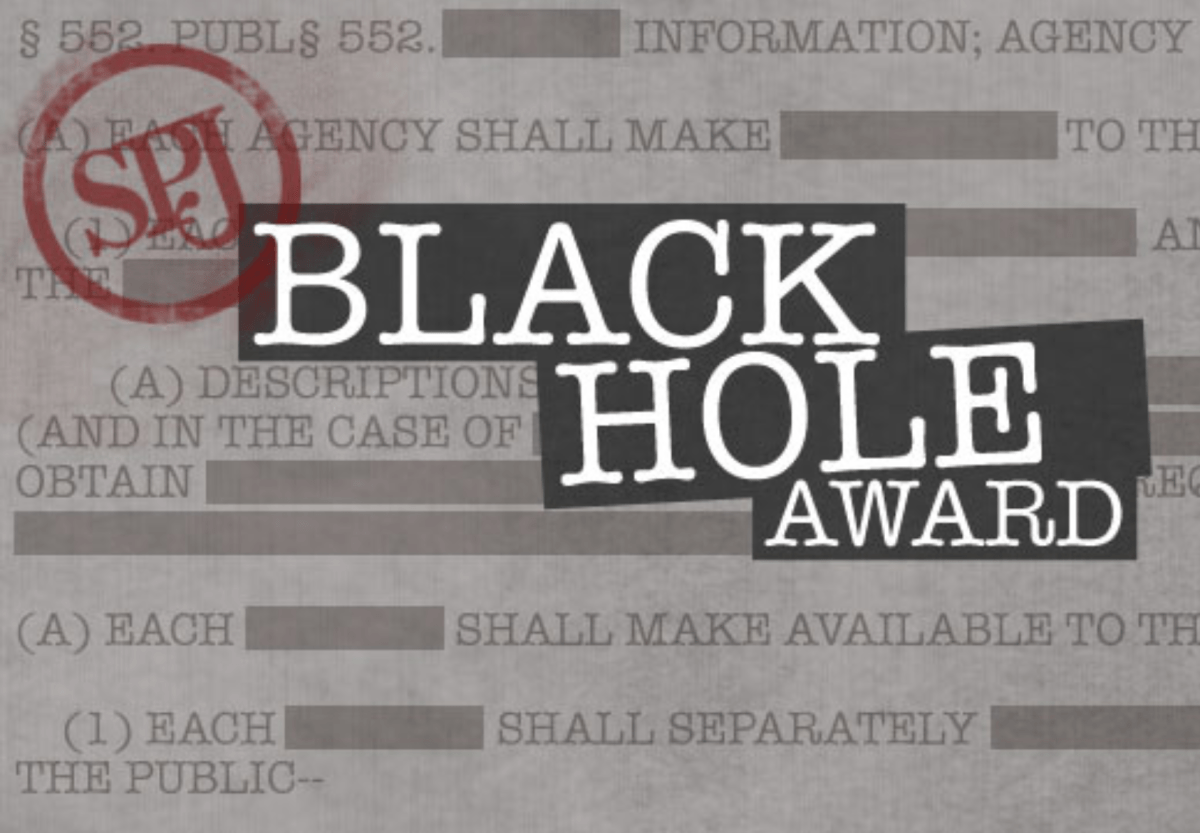
I nominated SEPTA CEO and General Manager Leslie S. Richards for the Society for Professional Journalists’ 2024 Black Hole Award. The cash-strapped public transit agency has money to pay an outside law firm to fight the release of records as ordered by the Pennsylvania Office of Open Records.
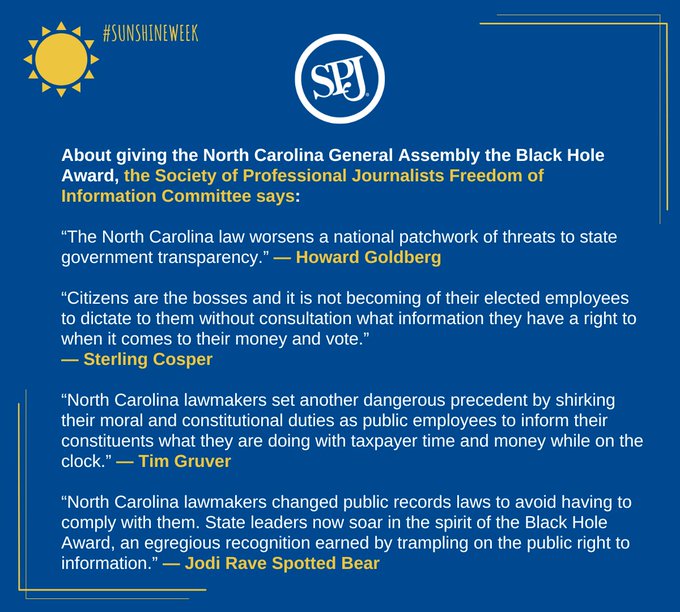
In the OOR’s final determination, SEPTA was ordered to turn over records related to the Philadelphia 76ers’ proposal to build a basketball arena atop Jefferson Station. Like the transit agency she has run into the ground, Richards did not make the cut. The Black Hole Award went to the North Carolina General Assembly.
During Sunshine Week, I received notice that SEPTA submitted the Certified Record of my Right-To-Know Law Request to the Commonwealth Court of Pennsylvania. The legal maneuver is designed to delay compliance with the OOR order. Common sense suggests that if the records supported the Sixers’ claim that 76 Place is a “win-win” for SEPTA and the City of Philadelphia, they would have been released. It bears remembering what SEPTA Director of Media Relations Andrew Busch told NBC Sports Philadelphia in July 2022:
Yes, the Sixers have been in touch with SEPTA regarding their plans for the new arena. We are looking forward to continuing to work closely with the team, the city and other stakeholders moving forward.
There is still no timeline for release of the arena impact studies that were due in December 2023. Tellingly, the Sixers have not released their study that supports their factoid that 76 Place would generate $1.5 billion in new tax revenue. The Philadelphia Inquirer reported:
They have declined to share the calculations behind their tax figure. And they’ve made other bold claims, including the creation of 1,000 permanent jobs and $400 million in annual “economic output.” Meanwhile, the city-sponsored studies that are supposed to offer clarity to decision-makers are months overdue.
With an air of exasperation, City Councilmember Mark Squilla recently told CBS News Philadelphia: “By the end of this year, it will be determined whether we move forward or not.” The clock is ticking.







 PHL Watchdog