What’s done behind closed doors can be undone with transparency. The Philadelphia Housing Authority’s plan to transfer ownership of 2125 Ridge Avenue to an undercapitalized, political insider was undone after I asked questions and filed a complaint with the Pennsylvania Office of State Inspector General.
A developer’s plan to demolish the building with which the John Coltrane House shares a party wall was undone after I sounded the alarm.
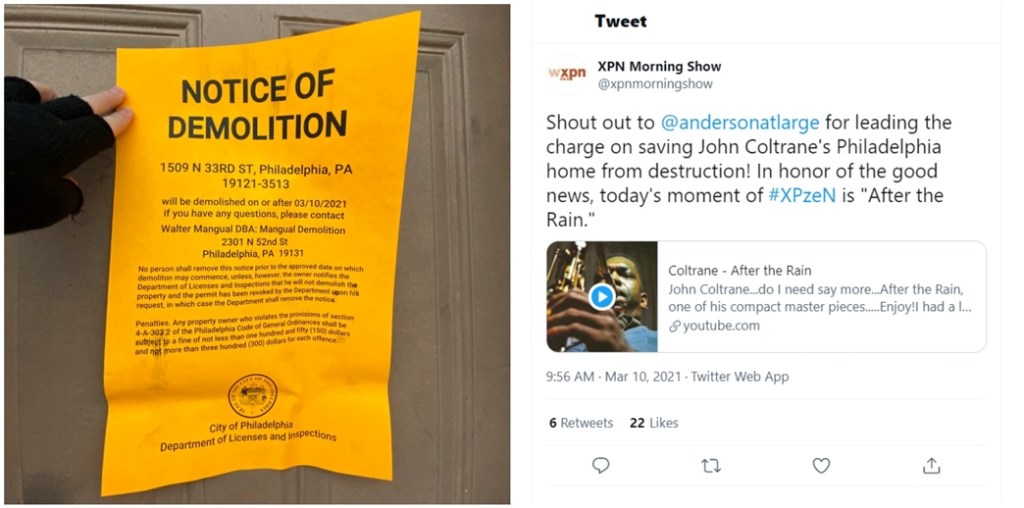
The Philadelphia Historical Commission did the “Philly Shrug.” They said they did not have the authority to require the owner to stabilize or brace the historic landmark. A fly-by-night LLC that is here today and gone tomorrow could have whacked away at the John Coltrane House and let the bricks fall where they may. City Council amended the Philadelphia Building Construction and Occupancy Code and provided safeguards for “work impacting historic structures.” Mayor Jim Kenney signed the bill on July 15, 2021.
Mayor Kenney and the Office of Arts, Culture and the Creative Economy (OACCE) said their decision to award a $500,000 no-bid commission for a permanent Harriet Tubman statue was made after four million people “positively reacted” to the temporary statue that was installed at City Hall for three months during the dead of winter. Philadelphia’s population is 1.5 million.
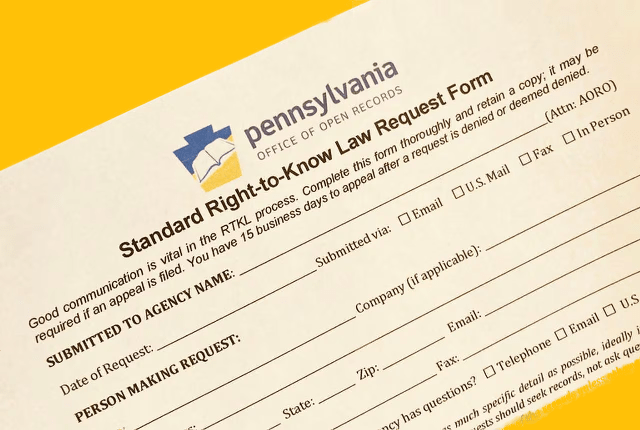
Records obtained in response to my Right-To-Know Law request show OACCE was negotiating a no-bid contract with the artist within days of the unveiling of the temporary statue. The City took a “new direction” and issued an Open Call for Artists.
From the day the Philadelphia 76ers announced their proposal to build a basketball arena on the site of the bankrupt Fashion District, the team’s billionaire owners have tried to present the project as “a done deal.”
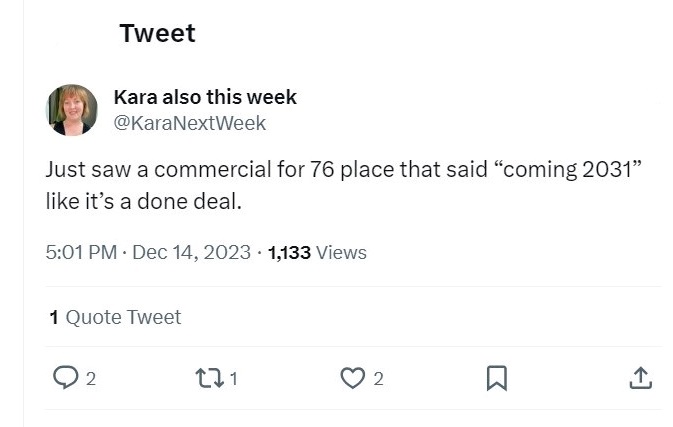
An investigation by the Philadelphia Board of Ethics found that Sixers’ lobbyists met with Mayor Kenney and other City officials as early as April 2022 – three months before the public announcement.
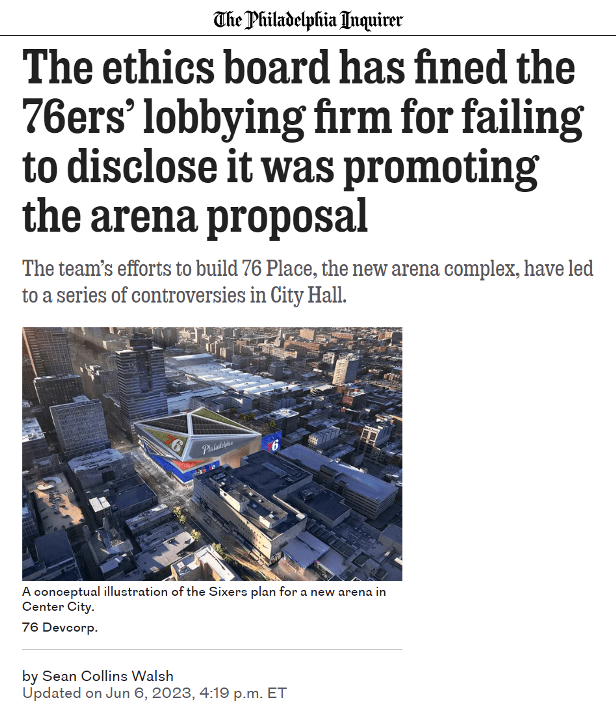
The proposed arena is one of the most controversial and consequential issues facing Philadelphia, the poorest big city in the country. I submitted open records requests to city and state agencies that have jurisdiction over the project, commonly known as 76 Place. The Transportation Impact Study that I obtained via a RTKL request to the Pennsylvania Department of Transportation is the only substantive document disclosed to date.
I appealed the denial of my RTKL requests to City agencies and SEPTA for records related to 76 Place. Let the sunshine in.
 PHL Watchdog