AccessFest is a virtual conference hosted by Investigative Reporters & Editors. The conference will take place online, October 17-19, 2024. AccessFest “focuses on expanding IRE’s efforts to provide more accessible training centered on belonging, equity, and inclusion in the newsroom and through better news coverage of inequities in the communities journalists serve.”
With 57 sessions, AccessFest covers a wide range of topics, including:
Data journalism
Investigative reporting tips
Diversity and inclusion in newsrooms
Covering marginalized communities
As an independent journalist and watchdog, I am particularly interested in the Freelance and Open Records tracks. The full schedule is available here.
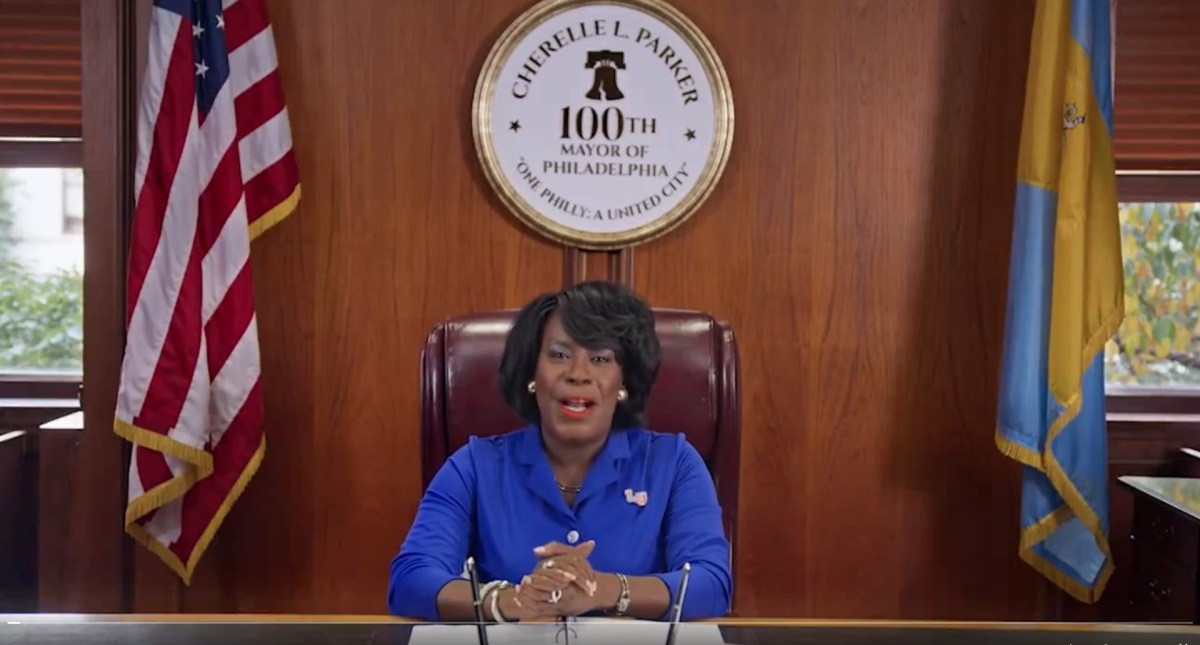
True to form, Mayor Cherelle Parker gave “the people of Chinatown” less than 24 hours’ notice of a public meeting about the Philadelphia 76ers’ proposal to build an arena adjacent to Chinatown. At the meeting, Parker passionately defended her agreement with the Sixers, stating:
Anyone who has any challenges with what is contained in this agreement, you no longer have the Philadelphia 76ers as the villain here. I am Cherelle L. Parker. I am the 100th mayor of the city of Philadelphia. I am proud and take full responsibility for what is included in this agreement.
What Parker seems to miss is that there can be more than one villain in this story.
Parker said this “historic agreement is the best financial deal ever entered into by a Philadelphia mayor for a local sports arena.” Given the city’s track record in negotiations, “the best financial deal” doesn’t automatically mean it’s a good deal.
The Save Chinatown Coalition rightly boycotted the last-minute meeting.
Parker’s message to residents and business owners who view 76 Place as an existential threat:
I want Chinatown’s rich and vibrant community and proud history to not just survive but to thrive. We have the best Chinatown in the United States, and I am committed to working together to support it. This is a chance for new partnership and growth, based on mutual understanding and respect.
Historically, residents and supporters of Chinatowns have fought—and continue to fight—large-scale development projects that demand they and other communities of color accept disproportionate harm in the name of progress for all.
After Parker announced a Community Benefits Agreement with the Sixers, which was negotiated without input from the very community facing disproportionate harm, the National Trust released a statement:
The National Trust stands with local coalitions and the majority of Philadelphia residents who oppose the arena abutting Chinatown and will be most impacted by this devastating decision. Time and time again, history has shown us that large-scale planning decisions are made with significant consequences to communities of color. There is still time to chart a new path forward. The National Trust will continue to amplify the grave threat that this poses to one of the oldest intact Chinatown communities in the nation.
Maya Angelou’s words of caution echo here: “When someone shows you who they are, believe them the first time.”
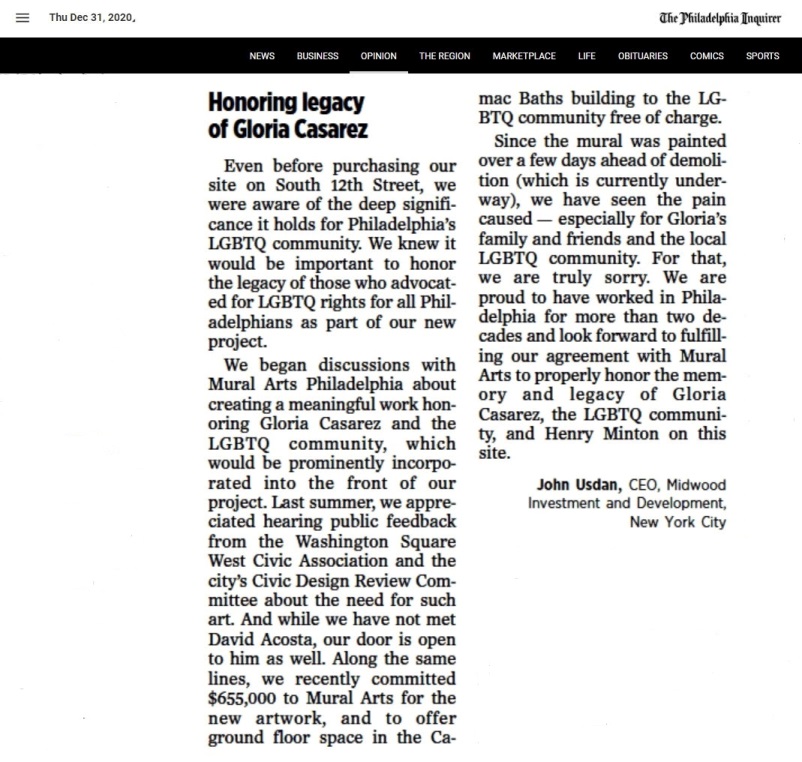
Months ago, Parker’s Art Commission ignored the zoning code and allowed Midwood Investment and Development to renege on their commitment to preserve the legacy of Henry Minton in public memory.
An elite caterer and financier of the Underground Railroad, Minton hosted figures like Frederick Douglass and John Brown. The developer erased Black history without a word from Parker.
Why should the Save Chinatown Coalition trust Parker to respect their history and cultural heritage?
With less than 24 hours’ notice to “the People of Chinatown,” Mayor Cherelle L. Parker announced her endorsement of the Philadelphia 76ers’ proposal to build an arena that would abut against the historic neighborhood.
As your Mayor, I'm speaking from my City Hall office with a very important announcement. I am proud to share that I have made my decision, and an agreement has been reached to ensure that our Sixers are staying home.
Parker may “hear” the People of Chinatown, but she is not listening. If she were, she would know 76 Place is an existential threat to Chinatown. So, the Asian American Legal Defense and Education Fund threw down the gauntlet: See you in court!
AALDEF is disappointed that Mayor Parker took a stance in support of 76 Place arena's construction—before city council has had the opportunity to officially consider the proposal with public participation.
In the sprint to Election Day, you will be told the 2024 Election is the most consequential election since, well, the last presidential election. This election lives up to the hype. The choice is between going back or embracing hope and opportunity.
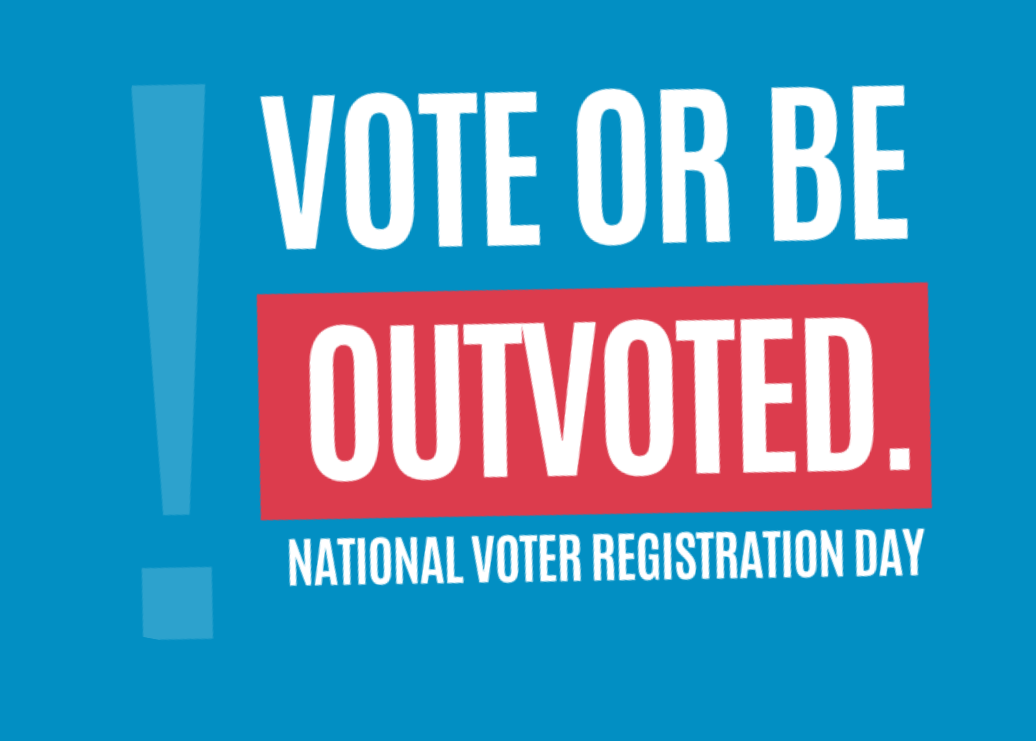
National Voter Registration Day, the country’s largest single-day voter registration drive, is September 17, 2024. Since 2012, more than five million Americans have been registered to vote on this civic holiday.
Your vote matters. If it didn’t, conservatives would not be trying every trick in the book to block access to the ballot box. You can register to vote here.
If you are already registered, confirm your status to make sure you are #VoteReady. On Election Day, be careful how you vote.
Money talks, BS walks. New Jersey is dangling $800 million in tax credits and $500 million in bonds (read: corporate welfare) to entice the Philadelphia 76ers to walk away from their controversial proposal to build an arena in Center City. Gov. Phil Murphy wants to lure the 76ers to Camden where their corporate headquarters and practice facility are located.
For four years, the Sixers’ billionaire owners have said they will stay in Philadelphia. Now “nothing is off the table.”
Crossing Broad Sports interviewed Sixers co-owner David Adelman on June 8, 2023.
When asked whether he can “promise the team will not be moved over to New Jersey,” Adelman said:
I promise you that. Josh (Harris), David (Blitzer) and I have said from day one that this is a Philadelphia team and it’s not moving to New Jersey. You guys should take my Philly man card if that happens.
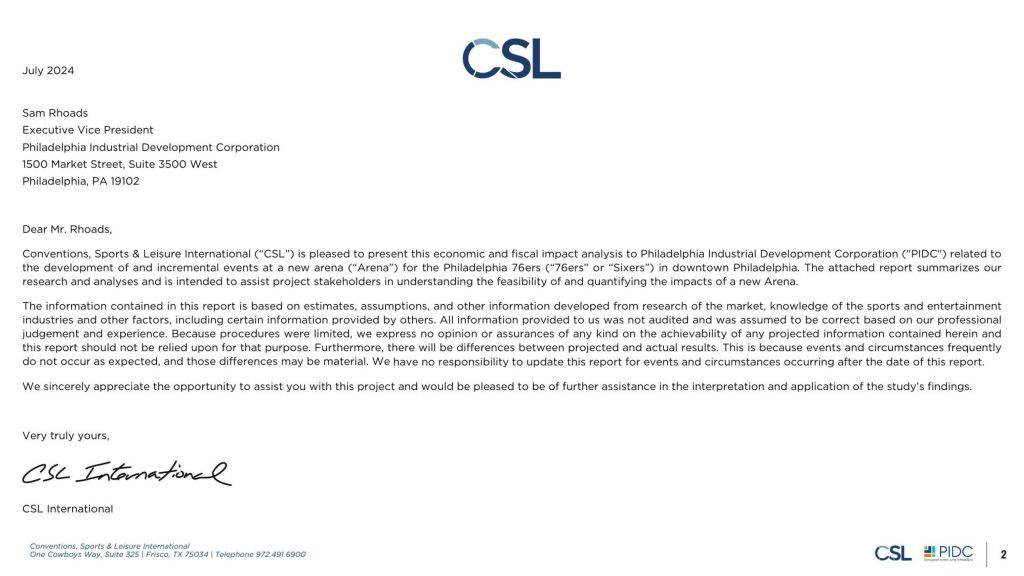
The long-awaited studies of the impact of the Philadelphia 76ers’ proposal to build an arena atop SEPTA’s Jefferson Station landed with a thud at City Hall. I am still wading through the 400 pages. This disclaimer from CSL International about the economic impact of a second arena speaks volumes about the credibility of their report.
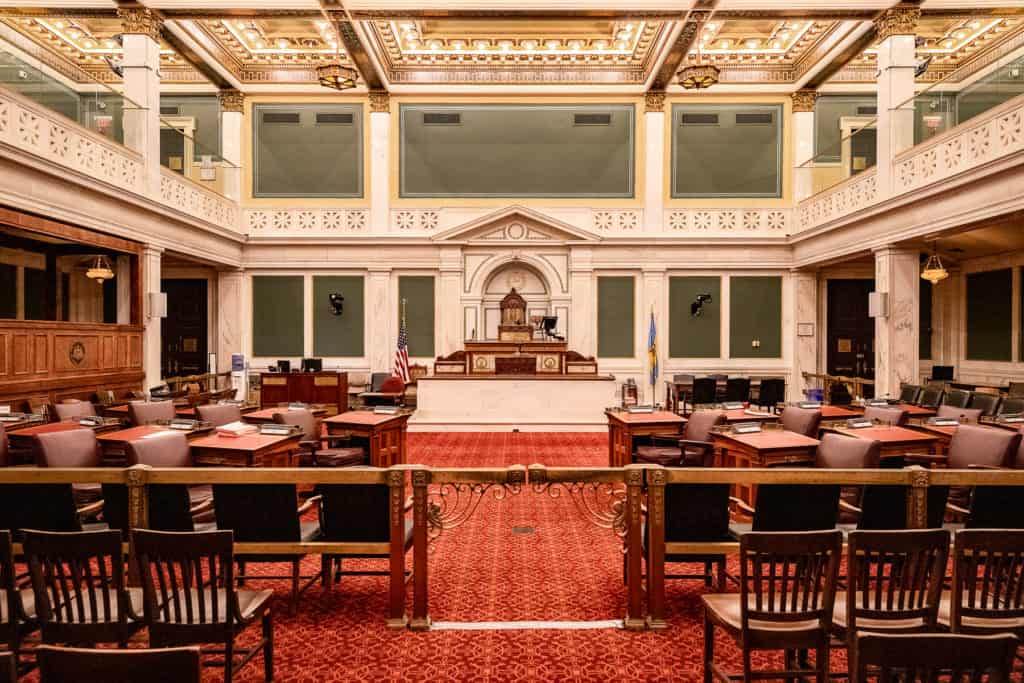
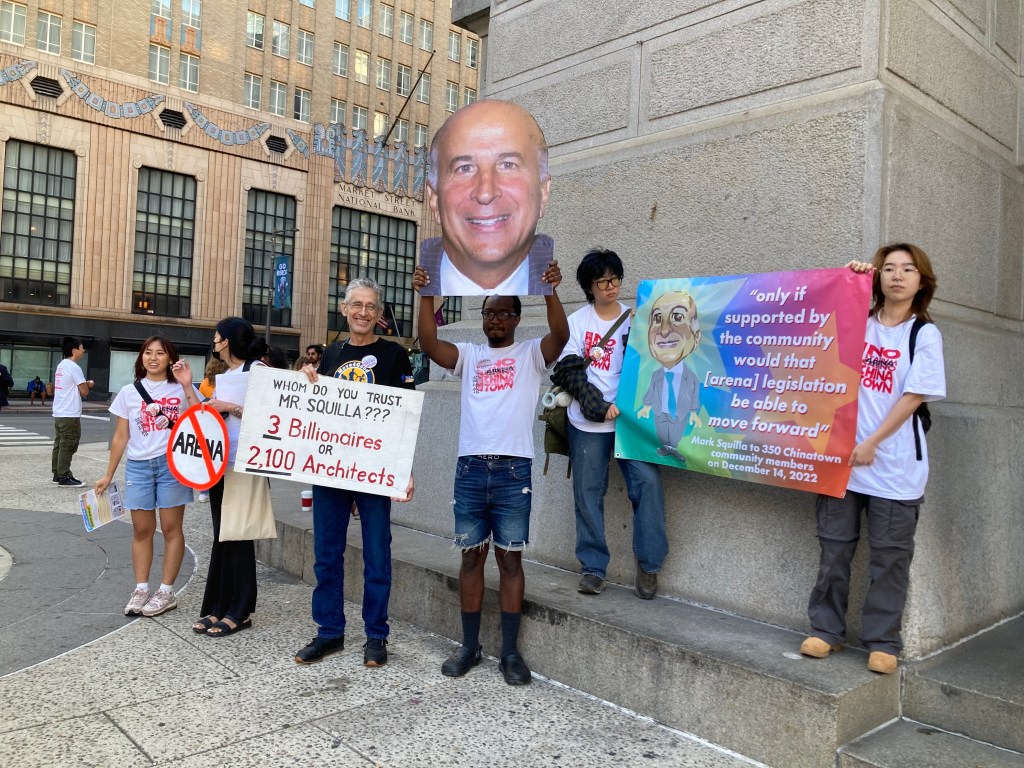
City Council will be back in session on September 5 and so will opponents of 76 Place. No Arena in Chinatown Solidarity will hold a press conference before they head up to the fourth floor of City Hall for their weekly City Council Watch.
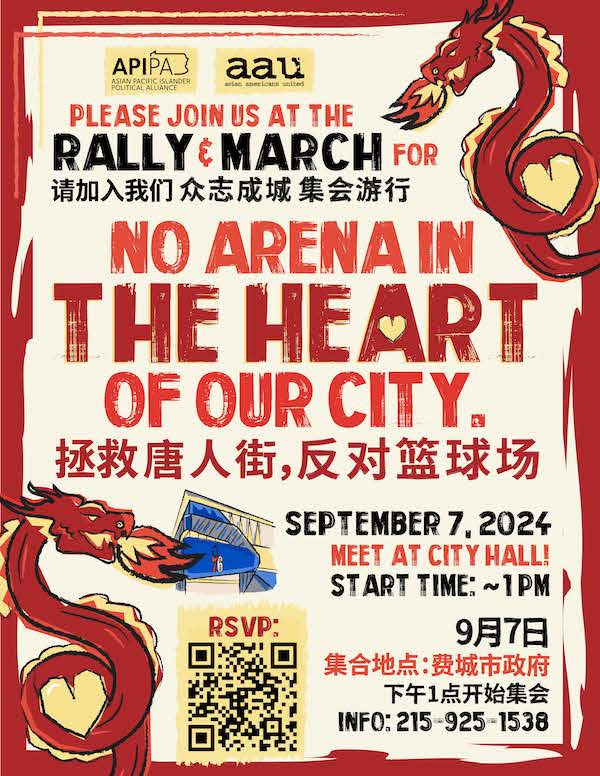
The Asian Pacific Islander Political Alliance and Asian Americans United will bring the fire on Saturday, September 7 at a rally and march. In an Instagram post, Asian Americans United wrote:
We’ll rally with voices from diverse Philly neighborhoods then march into Chinatown with the power of the people!
Chinatown, South Philly, West Philly, North Philly, Northwest and Northeast, let’s all come together and tell the developers: MOVE ON! Stop pushing the arena onto communities that don’t want it.
Teachers, doctors, nurses, small business owners, union members, people of faith, students, we all don’t want it! Philadelphia needs a government that spends its time on what the people need, not what billionaires want!
The rally and march will kick off on Saturday, September 7 at 1 p.m.
The City of Philadelphia released the long-awaited studies on the impact of the Philadelphia 76ers’ proposal to build a basketball arena in Center City today, August 26, 2024. The studies were paid for by the Sixers’ development team, 76 DevCo. The City claims the “developer had no further involvement and PIDC and the City retained all control over selection and management of the consultants.”
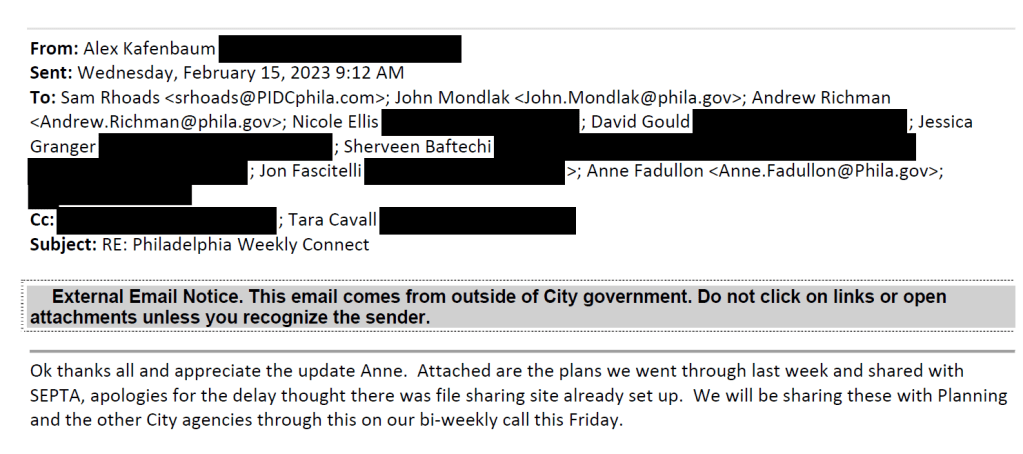
There was no need for the developer (read: 76 DevCo) to be further involved since records received in response to my Right-To-Know Law requests show 76 DevCo representatives have been in constant communication with PIDC and City officials and employees since April 2022.
While I have just begun to read the economic impact report, I have read the literature on sports facilities and their economic impact – and watched John Oliver.
Prof. John Charles Bradbury, a leading authority on the economic impact of sports venues, recently posted this image on X/Twitter.
I am a grown woman. Bradbury’s image is worth more than the 73-page “New Sixers Arena: Incremental Event Economic Impact Analysis.” The report was submitted to Sam Rhoads, executive vice president of the Philadelphia Industrial Development Corporation (PIDC). Rhoads convened weekly meetings with the developer.
The public is invited to share “constructive feedback” here. I’ll share my comments at the public hearings on the reports.
It should be noted the Sixers’ public transit-oriented project needs more than the approval of Mayor Cherelle Parker and City Council. The City of Philadelphia could green-light the project but SEPTA must approve building the arena atop Jefferson Station. My open records requests show SEPTA officials were also in constant communication with 76 DevCo representatives since April 2022. SEPTA is on board but the agency is facing a fiscal cliff and oversight by the Federal Transit Administration.
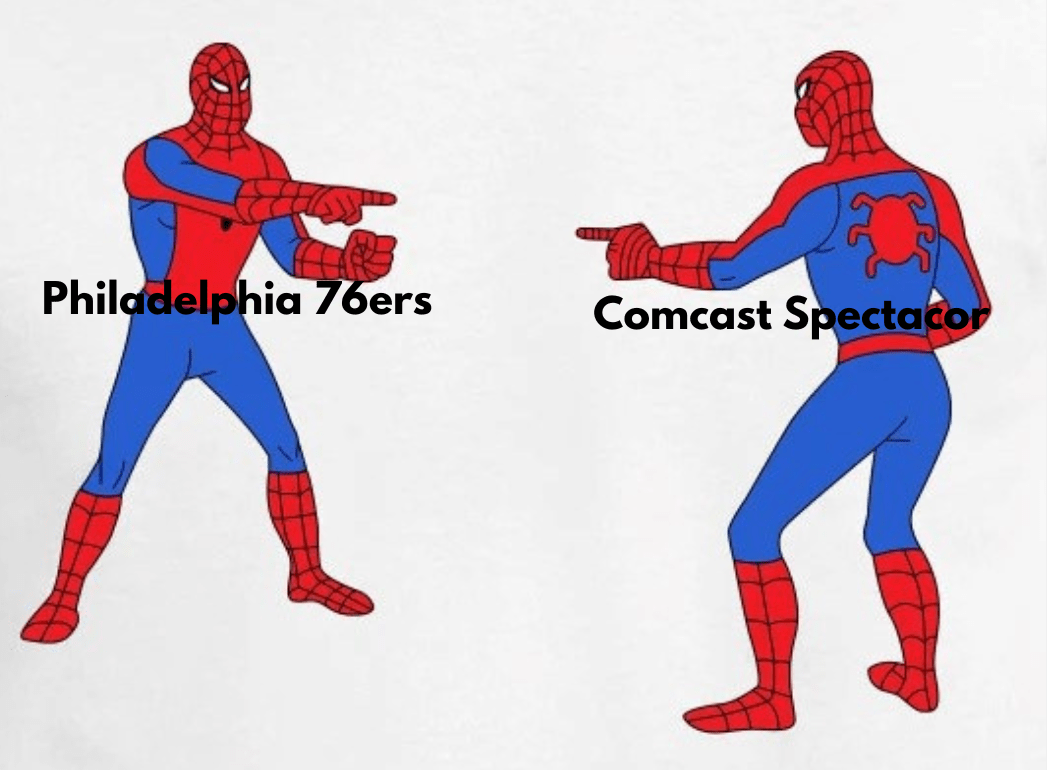
Nature abhors a vacuum. The so-called “independent studies” of the impact of the Sixers’ proposal to build a basketball arena atop Jefferson Station are months overdue. So in recent weeks, the Philadelphia 76ers and their landlord, Comcast Spectacor, have released studies touting the economic benefits – or lack thereof – of a new arena.
Now the main stakeholders in the decision are getting antsy. Over the past several weeks, two consultant-led studies have dropped, yielding radically different potential economic and commercial real estate outcomes to building a second major arena.
Who should CRE believe? Neither, several economists told Bisnow, adding that the impact of two stadiums on the industry would be more nuanced. But the most likely result is that instead of doubling opportunity, hosting two major stadiums would merely redistribute where activity is happening, spreading a finite number of dollars over a wider canvas.
“All they need to do is convince some people that this number is objective when it’s not,” Dennis Coates, a professor of economics at the University of Maryland, Baltimore, said of rival reports from the 76ers organization and Comcast Spectacor, whose Wells Fargo Center in South Philly would compete with a new arena.
One promises boom times ahead for city coffers, schools and real estate developers operating in and around a new 76ers arena. The other claims dueling arenas would split the market, draining potential attendance and revenue from both.
Economists say such studies are built upon different benchmarks that serve a specific purpose, and they aren’t a good guide for local developers, politicians or other stakeholders to use for decision-making, especially this year or at any prebuilding stage.
Coates said the real estate players poised to benefit from arena development are naturally those in close proximity that could see “greater demand, charge my tenant higher or even sell the land,” especially when a stadium first opens, he said.
But those near venues that lose a regular team, even to a stadium a few miles away, are set up for a corresponding amount of business going out the door, he said.
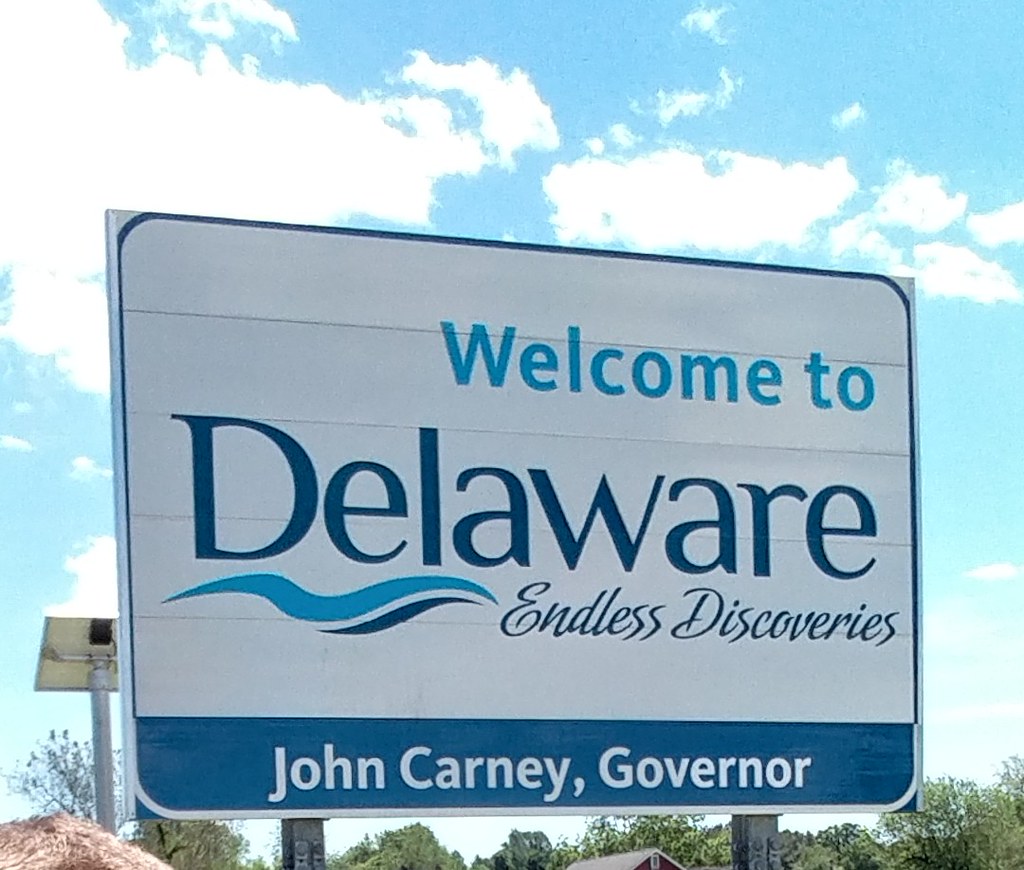
On the heels of New Jersey Gov. Phil Murphy’s invitation to the Philadelphia 76ers to move to Camden, Delaware Gov. John Carney gave it a shot. In a post on X, formerly known as Twitter, Carney told the 76ers billionaire owners: “[L]et’s build your new arena in Wilmington. We’re all in.”
Hey @sixers, if you’re looking outside of Philly, let's build your new arena in Wilmington. We’re all in.
In Delaware, you'll get: 🏀 A huge Sixers fan base 👏 No sales tax 😎 Best community around
Delaware is the self-proclaimed state of “endless discoveries.” Perhaps a move to Delaware would help the Sixers discover how to get pass the second round of the NBA playoffs. While the 76ers have not won an NBA championship since 1983, their Wilmington-based minor league team, the Delaware Blue Coats, are the 2022-23 NBA G League Champions.
Whether it is Delaware or New Jersey, take the Sixers … Please!
The billionaire owners of the Philadelphia 76ers have pushed an endless supply of factoids in their quest to win approval of their proposal to build a basketball arena in Center City. Their latest bankrolled study claims that the only thing better than having one arena in America’s poorest big city is having two arenas:
Today, 76 Place released findings from the study done by live entertainment expert CAA-ICON that confirm a second Philadelphia arena will address the unmet need for live entertainment options in the city. The newly released findings confirm what leading entertainment professionals have repeatedly said: Philadelphia not only can handle a second arena, but has been losing out on entertainment options because it doesn’t have one.
[…]
In its report examining unmet demand in Philadelphia, CAA-ICON estimated that two venues, one in South Philadelphia and a second in Center City, would each host between 125 and 150 ticketed events annually, inclusive of tenant events, Pollstar-reported events, and other ticketed events. Importantly, its estimates do not include other non-ticketed events such as community events, meetings or banquets, which will drive usage higher.
CAA-ICON also noted that major cities with just one arena are at a major disadvantage, with more limited date options because of professional sports season schedules that can eat up weekends which are key for successful tours and routing.
The billionaires’ factoids were published in PR Newswire.
Meanwhile, the region’s newspaper of record reported a second arena would “split the market.” From thePhiladelphia Inquirer:
Comcast Spectacor, concerned about the Sixers’ plan to leave the Wells Fargo Center and build a new arena downtown, hired a national real estate adviser to study the implications of having two big, competing venues in Philadelphia.
The consultant concluded the rivalry would split the market, starving both places of attendance and revenue.
There aren’t enough additional games, concerts and shows to financially support two major Philadelphia arenas of roughly the same capacity, said the report by Chicago-based Hunden Partners. It predicted taxpayers would eventually be asked to provide millions of dollars for renovations that neither arena could afford on its own.
[…]
“It’s not totally unprecedented [for a city to have two arenas],” said Dave Brooks, senior director of live music and touring at Billboard, the music-and-entertainment magazine, “but there’s only so many arena touring shows each year. Definitely Philly is a must-play city, but there’s not really any evidence that another arena is going to attract more concerts to a market. They’re probably going to be going after a lot of the same stuff.”
[…]
“Philadelphia performs below its weight class,” Hunden said, attributing that at least partially to lower household incomes in what is one of the nation’s poorest big cities.
[…]
However, the study said, the venues would roughly divide the total number of ticketed events, with 105 going to the Wells Fargo Center and 92 to the Sixers arena.
The “unmet demand in Philadelphia” is the billionaires’ pursuit of a second arena.





 PHL Watchdog