John William Coltrane was born on September 23, 1926 in Hamlet, North Carolina, the only child of John and Alice Blair Coltrane. Two months after his birth, his maternal grandfather, the Reverend William Blair, was promoted to presiding elder in the A.M.E. Zion Church. Rev. Blair moved his extended family, including his infant grandson, to High Point, North Carolina where Coltrane grew up.
After the death of his maternal grandfather, father and grandmother, Coltrane’s mother moved to Philadelphia in search of better employment opportunities around 1942. She was part of the Great Migration.
Coltrane stayed in High Point to finish his education at William Penn High School where he was voted “Best Dressed Boy” as a junior, and the “Most Musical” in his class. Coltrane moved to Philadelphia in June 1943 to join his mother. And the rest is history.
City Council designated September 23, 2026 as John Coltrane Day in Philadelphia in recognition of the city’s “central role in shaping his artistic and cultural legacy.”
Trane’s sound was honed in the clubs on the “Golden Strip” and on Ridge Avenue. He lived in North Philadelphia from 1943 to 1958, first in an apartment building and later in a rowhouse. The John Coltrane House was designated a National Historic Landmark in 1999.
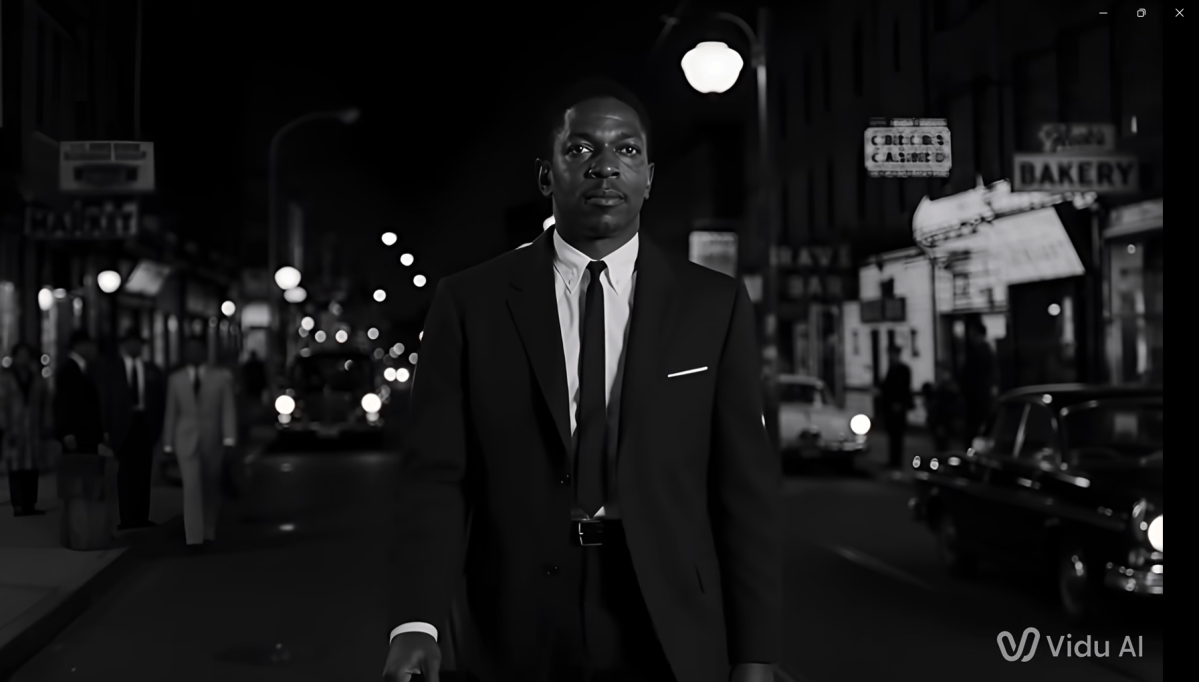
I used AI to bring Coltrane back to the Golden Strip.
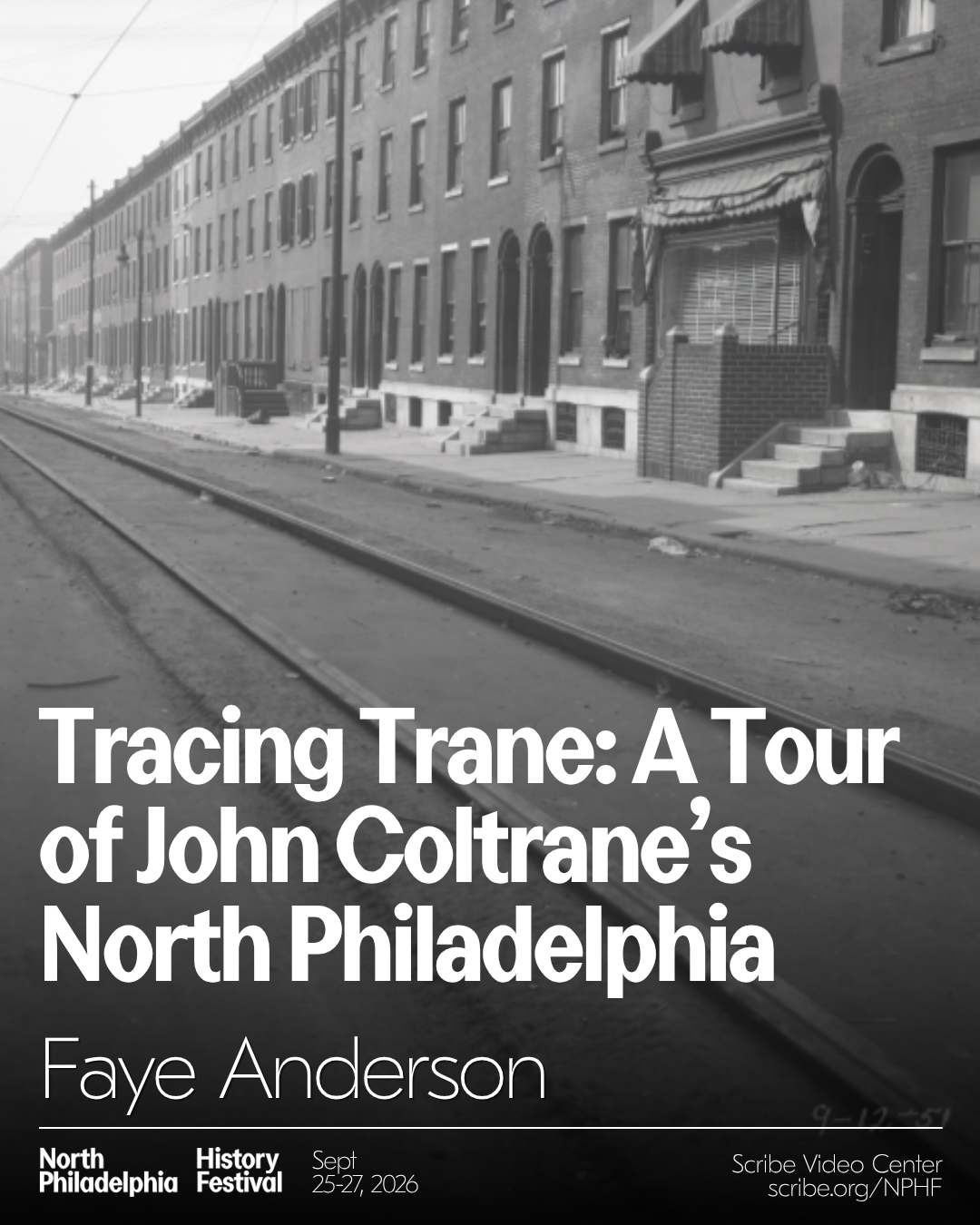
Café Society Musical Bar was a popular spot on the Golden Strip. It was located three blocks from Coltrane’s apartment. Café Society is the first stop on my upcoming bus tour, Tracing Trane: A Tour of John Coltrane’s North Philadelphia, on Sunday, September 27, 2026. The tour is presented by Scribe Video Center’s North Philadelphia History Festival: The John Coltrane Edition.
The bus tour is free but reservations are required. You can RSVP here.
Trane’s final performance in Philadelphia was on November 11, 1966 at the last tour stop, Mitten Hall .
John Coltrane joined the ancestors on July 17, 1967.
The National Historic Preservation Act was passed by Congress and signed into law by President Lyndon B. Johnson on October 15, 1966. Section 106 of the NHPA requires recipients of federal funding to review whether their actions will have an “adverse effect” on a property eligible for or listed on the National Register of Historic Places.
Section 106 review mandates that agencies consult with State Historic Preservation Officers, Tribal Historic Preservation Officers, community organizations, and the public. The goal is to identify potential historic resources, assess adverse effects, and explore ways to avoid or mitigate harm before a project proceeds. Section 106 protection applies to housing, transportation, infrastructure, federal properties, community development, and other projects.
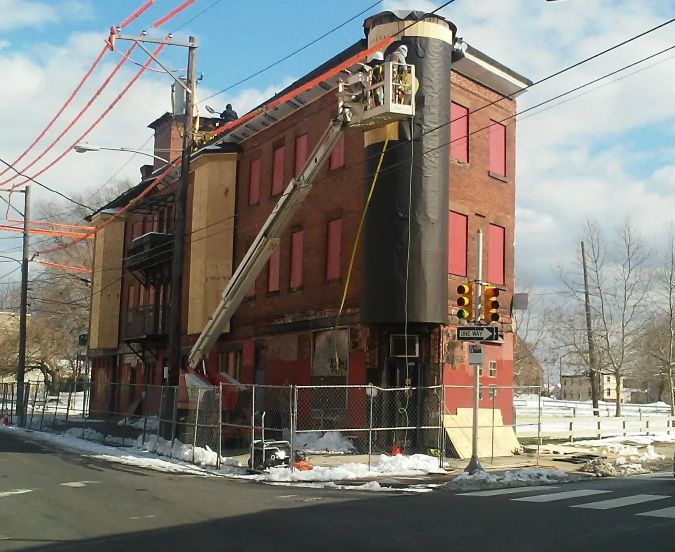
Section 106 review saved from complete demolition Carman Gardens (here and here), a 1920 building that started out as a silent movie house and was later converted into a roller skating rink. Roger Lloyd bought Carman Gardens Roller Skating Rink in the mid-1970s. Under Lloyd’s leadership, the rink became a safe space for North Philadelphia’s Black community. He kept the rink open for 46 years.
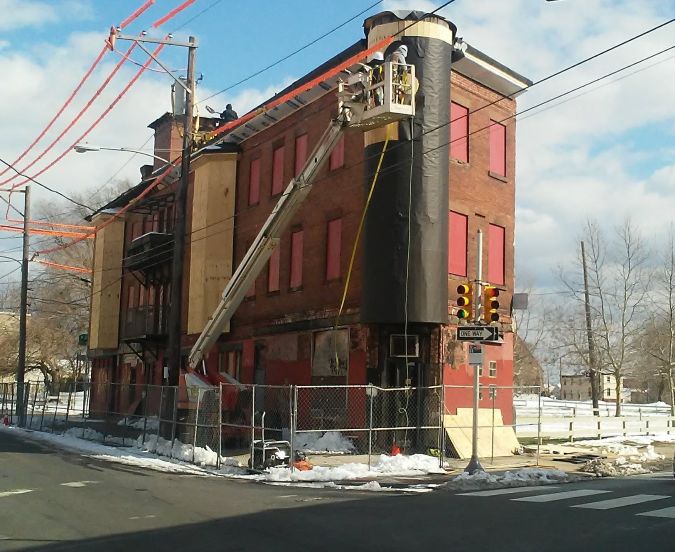
Faye Anderson, director of All That Philly Jazz, was a Section 106 consulting party for the Philadelphia Housing Authority’s Sharswood/Blumberg Transformation Project. She objected to the proposed demolition of 2125 Ridge Avenue, one of the few extant buildings associated with Philadelphia’s golden age of jazz. 2125 Ridge Avenue was home to the Checker Café, an afterhours jazz club. In the 1930s, ‘40s and ‘50s, the Checker Café was the place to be and be seen. The State Historic Preservation Officer agreed with Anderson that 2125 Ridge Avenue is eligible for listing on the National Register of Historic Places.
If 2125 Ridge Avenue had been demolished, we would have lost a building that holds stories of jazz legends like Billie Holiday and Pearl Bailey. We also would have lost the Ridge on the Rise mural painted on the south-facing wall of the Checker Café site.
Section 106 review is under attack by President Trump. The Advisory Council on Historic Preservation has proposed a major rewrite of the regulations governing Section 106 that would narrow the scope of review of federally-funded projects and reduce public participation.
A new coalition of nearly 700 organizations and Tribal Nations, including All That Philly Jazz, is fighting back. They signed an open letter urging Congress to protect and strengthen Section 106 of the National Historic Preservation Act. The national coalition is spearheaded by Cultural Heritage Partners. They asked that Congress:
Reject the Advisory Council for Historic Preservation’s proposed regulatory gutting of Section 106.
Record your opposition during the Office of Information and Regulatory Affairs’ review and the public comment period, now underway.
Reject statutory changes that weaken Section 106, whether advanced independently or as part of a broader permitting package.
Defend Congress’s constitutional authority against executive efforts to narrow, circumvent, or evade the preservation laws Congress enacted.
Seek genuine improvements to Section 106 based on facts and data to make review more valuable and efficient without trading away the rights, voices, and protections that make the process meaningful.
The first National Park Week was observed in August 1991 to commemorate the 75th anniversary of the National Park Service. Since 1994, it has been an annual celebration organized by the National Park Service to highlight America’s national parks and the natural, cultural, and historical resources they protect. This year, the celebration runs from August 22 through August 30, 2026.
The National Park Week soundtrack curated by the National Parks Conservation Association includes James Brown’s “Living in America.”
Today, we are living in an America in which the President’s House, a National Park Service site, was desecrated and whitewashed interpretive panels installed under the cover of darkness.
The National Parks Conservation Association is calling for a Day of Action to defend America’s national parks from attacks on park staffing, funding, public lands, and the preservation of American history. Participants are encouraged to contact government officials, support National Park Service employees, sign petitions, attend demonstrations and community events, and publicly oppose policies that threaten the parks and the stories they tell.
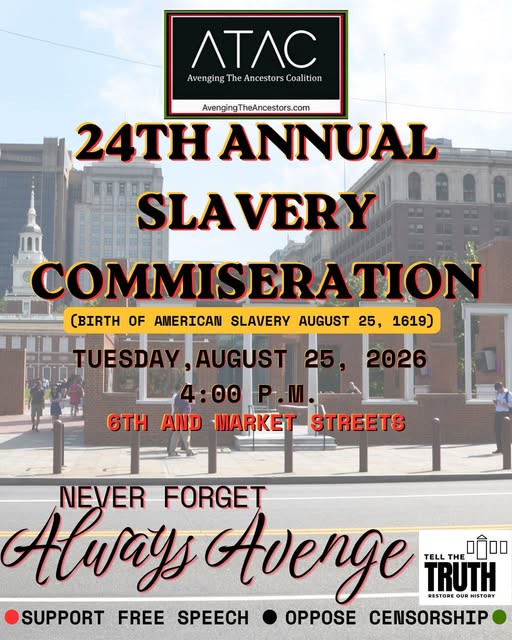
It’s serendipitous that the Day of Action coincides with Avenging The Ancestors Coalition’s mass protest at the President’s House on August 25, 2026.
Attorney Michael Coard, founder of Avenging The Ancestors Coalition, told the Philadelphia Tribune:
We will have local, state and federal elected officials, along with civic leaders, clergy and community activists. We’ve gotten permission from the city to block off the 500 block of Market Street and 6th Street from Market to Chestnut and place a massive stage in the middle of Market Street, This is going to be big. We’re not just rallying to rally. We expect to make history.
[…]
We took a page out of the playbook of our activist ancestors in the civil rights movement of the 1950s and 1960s, They sent attorneys into the courtrooms to raise issues and activists into the streets to raise hell. That’s exactly what we’re doing.
On July 24, President Trump’s bootlickers on the Advisory Council on Historic Preservation voted to gut Section 106 of the National Historic Preservation Act. For six decades, Section 106 has required the federal government to examine whether federally funded, licensed or permitted projects would have an “adverse effect” on properties listed or eligible for listing on the National Register of Historic Places. The protection applies to housing, transportation, infrastructure, federal properties, community development, and other projects.
The proposed changes would dismantle public safeguards by:
Silencing public and community participation;
Weakening consultation with state and local preservation agencies;
Limiting consideration of alternatives that could prevent or minimize damage to historic places;
Giving federal agencies greater power to approve projects with far less public accountability.
The public review process was written into the law because Americans understood that once a historic building is demolished, a community’s cultural heritage is erased and there is no bringing it back.
Section 106 has never been about stopping progress. It is about ensuring that development does not come at the expense of history, culture, and community voices. It guarantees that the public has a seat at the table before the bulldozers arrive.
The ACHP’s proposed changes to Section 106 will eviscerate the preservation of our shared civic and cultural heritage in the United States.
In 2017, I used the Section 106 review process to block the Philadelphia Housing Authority from demolishing 2125 Ridge Avenue, the former location of the Checker Café. The property is one of the few extant buildings from Philadelphia’s golden age of jazz.
The Pennsylvania State Historic Preservation Office agreed with me that 2125 Ridge Avenue is eligible for listing on the National Register of Historic Places. PHA was forced to stabilize the structure.
In the intervening years, PHA has let the building further deteriorate. Even in its dilapidated state, 2125 Ridge Avenue has more character than the cookie-cutter apartment buildings that now line Ridge Avenue from the former location of the Blue Note to the Checker Café.
The Blue Note and Checker Café are stops on the upcoming Neighborhood Jawnts Tour Series: Jazz in North Philly. I will lead the trolley tour the weekend of August 14-16, 2026.
The trolley tour is free and open to the public. Registration is required. To register, go here.
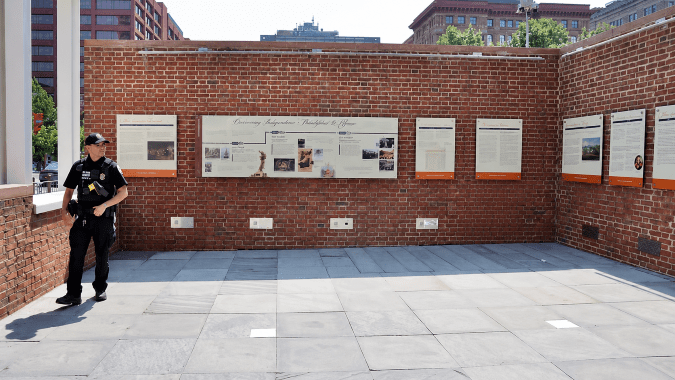
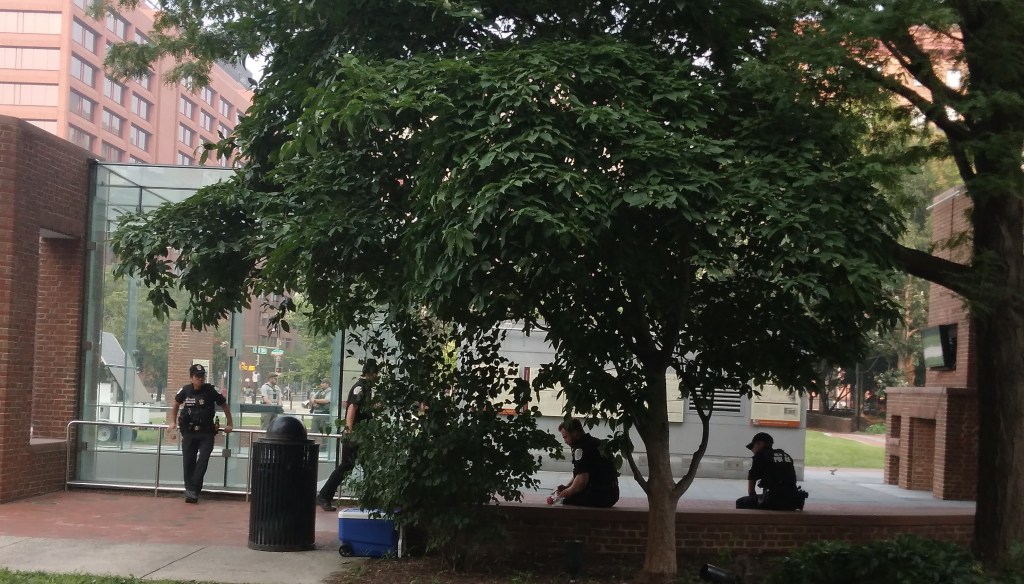
Since the truth-telling interpretive panels were swapped for President Trump’s Orwellian signs, National Park Rangers and US Police are watching people at the President’s House Site.
In the coming weeks, the Park Service will install Verkada surveillance equipment, including two security camera module trailers, zoom camera, bullet camera, fisheye camera and four-camera multisensor camera.
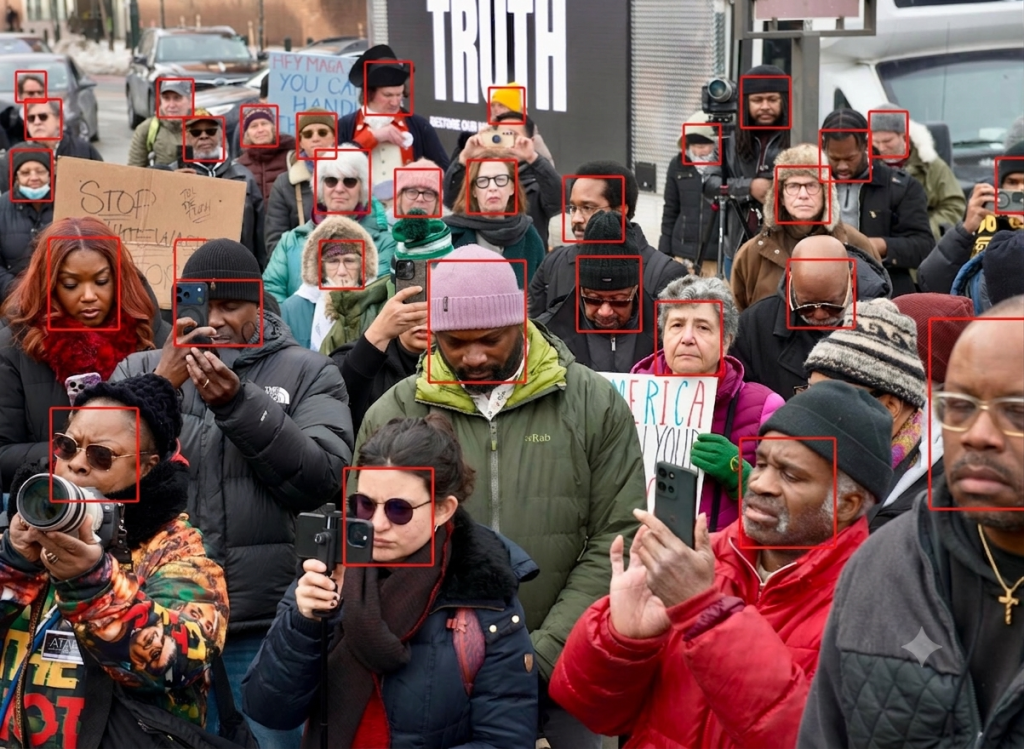
The Orwellian surveillance system will not be installed to protect the public. According to the National Park Service Incident Reports, there were no incidents at the President’s House Site from 2002-2025. The cameras will monitor peaceful protesters exercising their First Amendment rights.
Without their permission, the faces of people who visit the President’s House or walk pass the site on their way to the Liberty Bell or Independence Hall will be scanned. Their biometric data will be stored and accessible by law enforcement agencies.
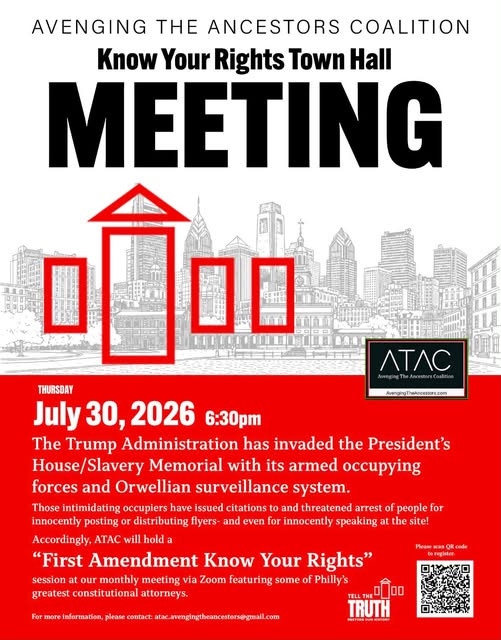
Avenging The Ancestors Coalition is convening a “First Amendment: Know Your Rights” town hall meeting via Zoom.
Registration is required. To register, click here.
Under the cover of darkness, the National Park Service replaced the interpretive panels that told the story of the paradox of slavery and liberty at the President’s House. The new Orwellian panels are a mix of obfuscations, omissions, equivocations and oxymorons.
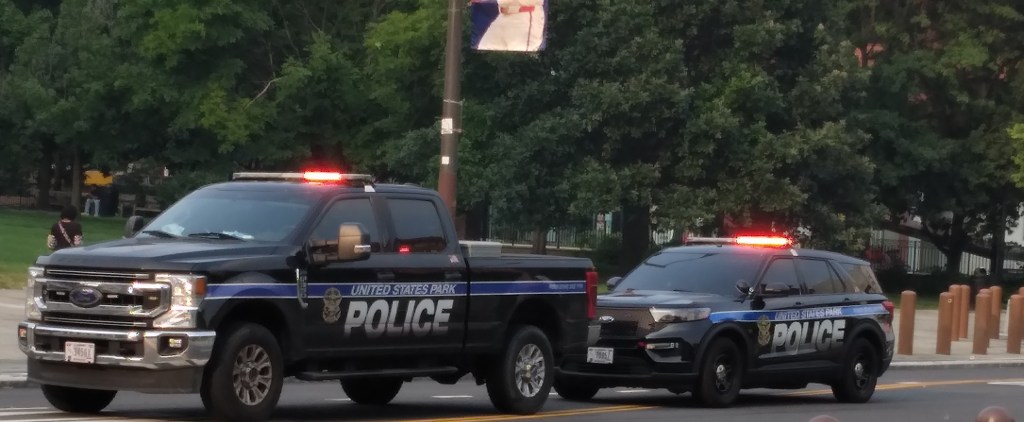
In the name of “restoring truth and sanity to American history,” President Trump has turned the President’s House into an armed camp. The site is surrounded by National Park Service Rangers, U.S. Park Police and vehicles, and new security cameras.
This is what fascism looks like. Visitors on their way to the Liberty Bell and Independence Hall will pass the President’s House Site with Big Brother watching.
During a press conference, Michael Coard, founder of Avenging The Ancestors Coalition, said, “This is nothing more than Big Brother’s Ministry of Truth, where the government turns the truth into a lie and the lie into a truth.”
President Trump’s Ministry of Truth claims the enslaved Africans living in the first executive mansion experienced a “modicum of freedom.” One is either free or enslaved. At the President’s House, as at Mount Vernon, President George Washington had absolute control over Austin, Christopher Sheels, Giles, Hercules, Joe, Moll, Oney Judge, Paris and Richmond.
While erasing the horrors of slavery, Trump’s revisionists note the president’s “discomfort” with slavery. Washington’s alleged “discomfort” did not lead him to free a single enslaved person in his lifetime. He pursued Ona Judge until the day he died. Ona was never caught.
Washington stole the labor and freedom of hundreds of enslaved Black people. The propagandists highlight a single instance when “Hercules’ son Richmond was caught stealing at Mount Vernon.” While Big Brother uses a racist trope, Washington recognized the theft was an act of resistance. In a letter to his farm manager, William Pearce, Washington suspected it was for “the purpose perhaps of a journey together.” Hercules self-emancipated from Mount Vernon three months later.
The City remains committed to the honest and accurate portrayal of history at the President’s House. A portrayal that was the hard-fought and hard-won result of the effort of countless federal, state, and local officials as well as advocates, including Avenging the Ancestors Coalition, dedicated to telling the truth. A broad coalition of people who worked together to identify, create, design, fund, and implement the President’s House. They did not always agree, but together they reached agreement. They shared a truth that I hold self-evident: you cannot erase American history.
Overnight, under the cover of darkness, the federal government removed panels at the President’s House that told a thorough history of Philadelphia. It was allowed to do this by the decision of the federal court, but that it did so at night shows it understands this action is shameful, that it violates community trust. Which it is, and which it does. But the fight is not over, as we will continue the fight.
[…]
To my fellow Philadelphians and Americans, please know: I will continue fighting on behalf of everyone who supports the core belief: All of our history must be told.”
History should not be rewritten or erased because it is difficult or uncomfortable. Removing educational materials that document the experiences of the enslaved people who lived and labored at the President’s House does not change what happened. It only denies future generations the opportunity to learn from our past.
The decision to remove these panels by the U.S. Government this week only reinforces how troubling this action is. Carrying out these removals violated the community’s trust and diminished a site built through years of public engagement, collaboration, and consensus.
[…]
Removing the original exhibits is an effort to continue whitewashing American history. Removing items from the President’s House merely changes the landscape, not the historical record.
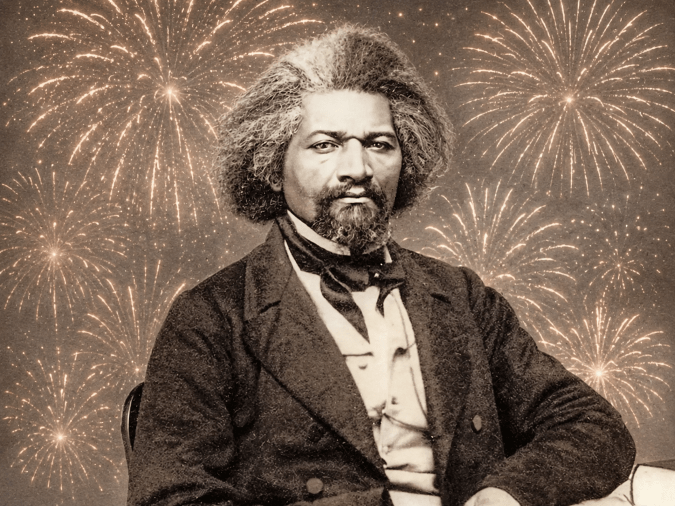
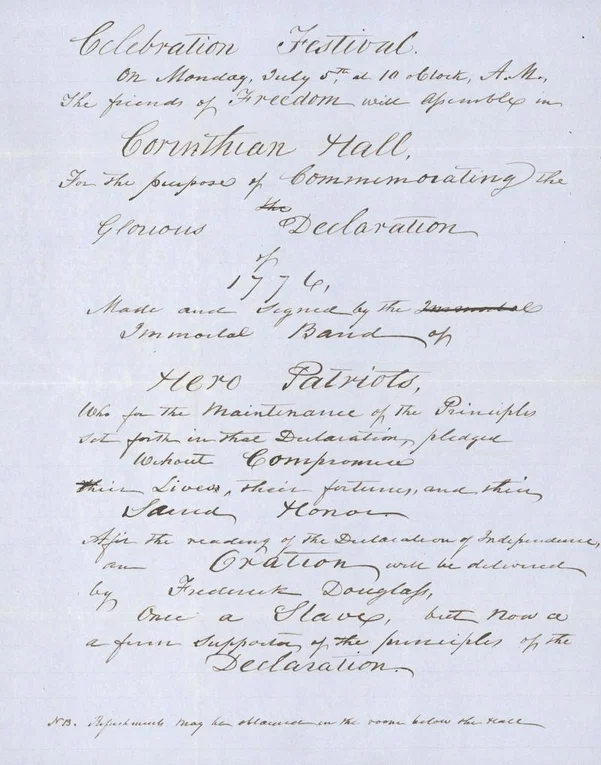
On July 5, 1852 at Corinthian Hall in Rochester, New York, Frederick Douglass gave a keynote address at an Independence Day celebration.
Douglass asked: “What to the Slave is the Fourth of July?”
The celebrated orator was the most photographed American in the 19th century.
For an African American in 2026, “[t]his Fourth of July is yours, not mine, You may rejoice, I must mourn.”
President Trump turned the 250th anniversary of the signing of the Declaration of Independence into a circus, casting himself as the ringmaster. The circus sideshow includes cage fighters, an algae-plagued Reflecting Pool, and the not-so Great American State Fair.
In celebration of Frederick Douglass and the 5th of July, I will press on and “Agitate! Agitate! Agitate!”
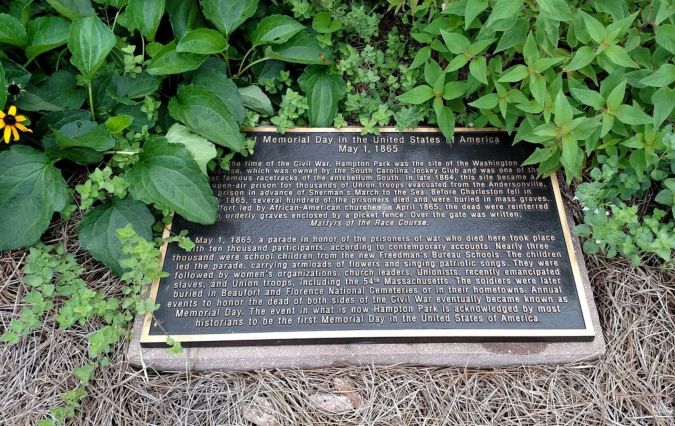
Originally called Decoration Day, Congress established Memorial Day as the last Monday in May in 1968. The undertold history of Memorial Day dates back to the Civil War.
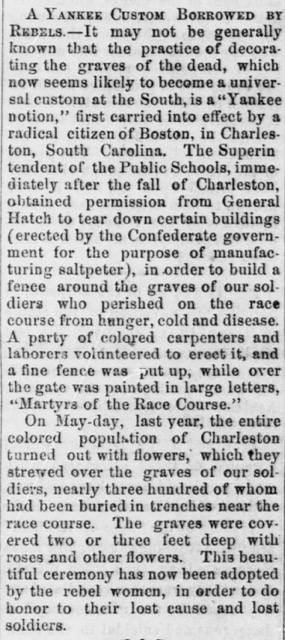
First observed on May 1, 1865 in Charleston, South Carolina , thousands of African Americans, including formerly enslaved, 54th Massachusetts Infantry Regiment, and 34th and 104th United States Colored Troops, were led by children as they gathered to honor 257 Union soldiers who were buried in a mass grave on Washington Race Course which was used as a Confederate prison camp.
The ancestors exhumed the mass grave, reburied the bodies and decorated their graves with fresh flowers; hence, Decoration Day.
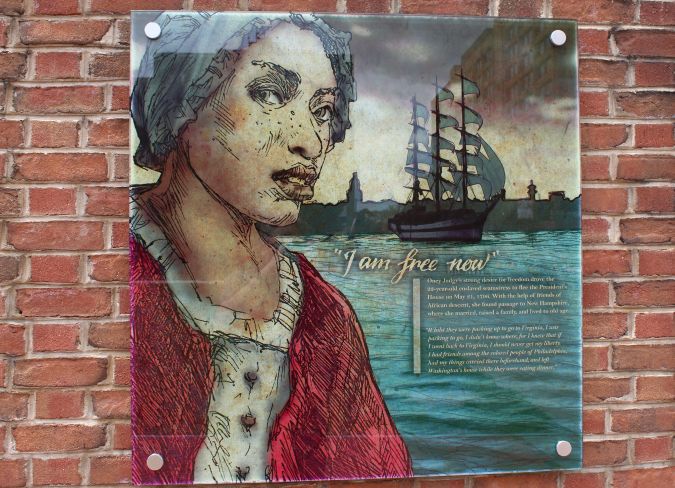
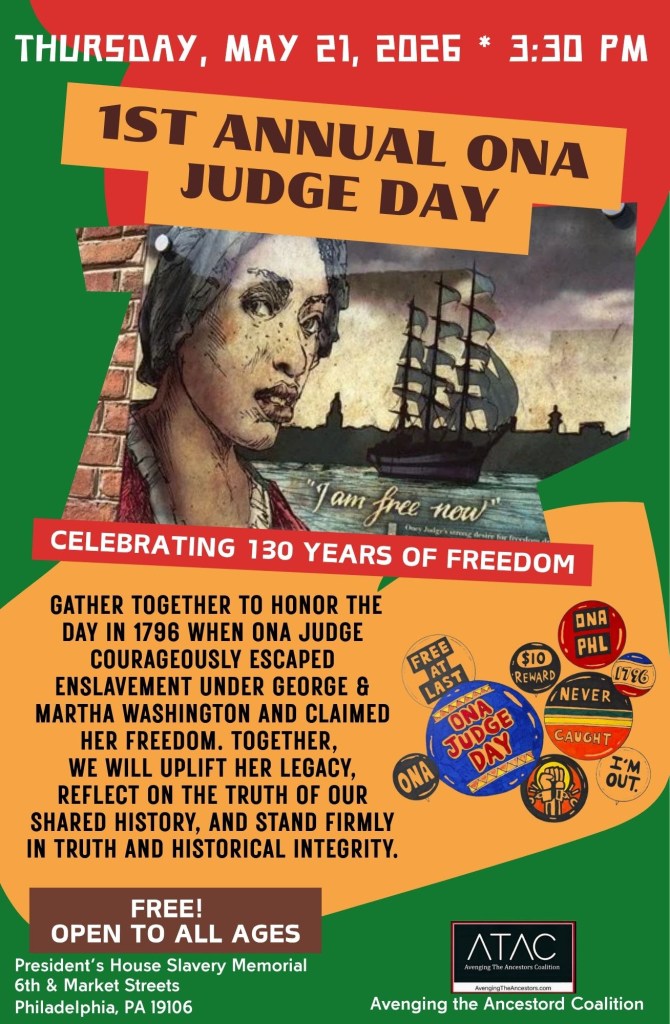
Ona “Oney” Judge (c. 1773-1848) was an enslaved Black woman held in bondage by George Washington and Martha Washington at Mount Vernon and the President’s House in Philadelphia. As Martha Washington’s personal servant, Ona was responsible for dressing and bathing her, managing her wardrobe, mending clothing, and cleaning personal rooms.
Ona “absconded” from the President’s House on May 21, 1796.
Ona was never caught.
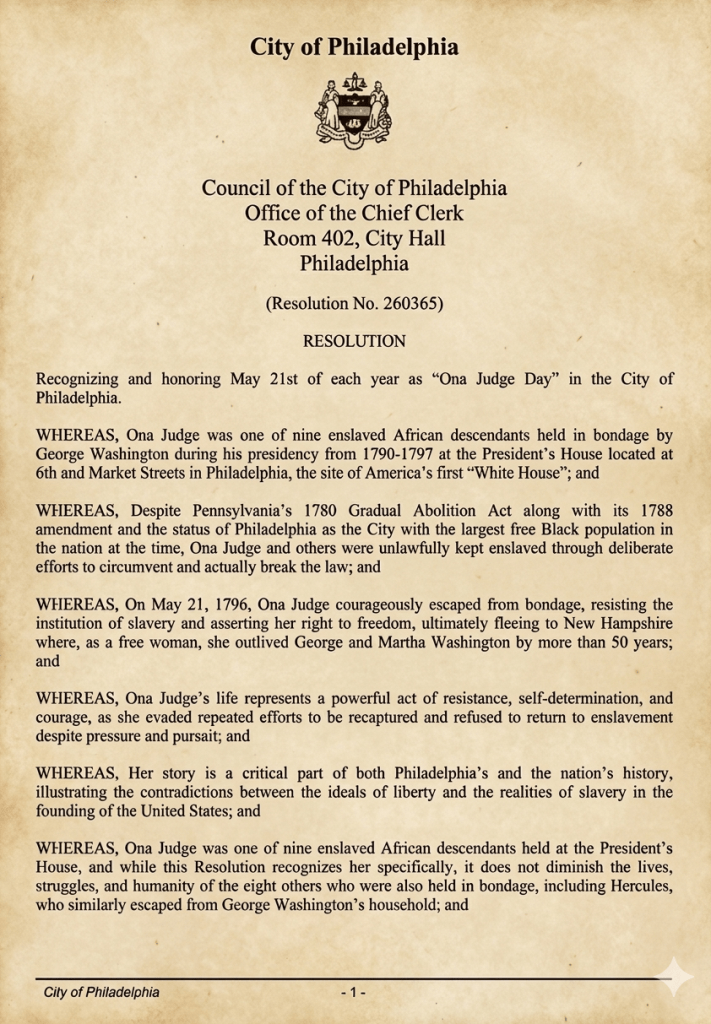
Philadelphia City Council recently passed a resolution designating May 21 annually as “Ona Judge Day.”
City Council also recognized Michael Coard and Avenging The Ancestors Coalition (ATAC) for their “sustained advocacy to ensure the truth about slavery at the President’s House is told, preserved, and publicly recognized.”
Join ATAC on Thursday, May 21, 2026 at 3:30 pm for their 23rd annual Ona “Oney” Judge celebration at the President’s House Site.
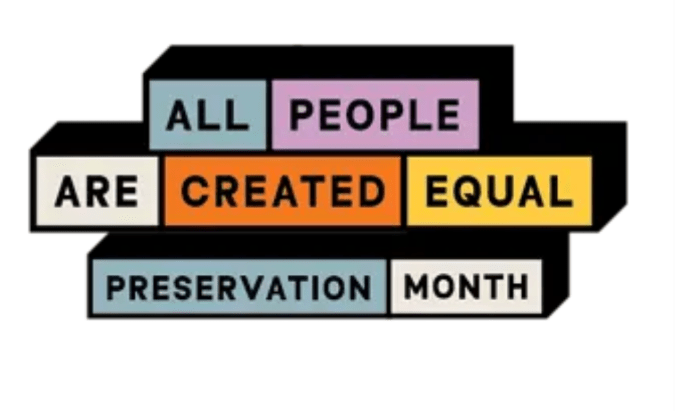
May is Preservation Month, an annual celebration dedicated to promoting the importance of preserving historic places and cultural heritage. This year’s theme, “all people are created equal,” focuses on places that tell the full American story.
As the nation marks 250 years since the Declaration of Independence, preservation demands urgency, honesty, and accountability. The words “all people are created equal” did not include Black people. The built environment carries the evidence of that contradiction.
At its core, historic preservation is about storytelling. At my upcoming walking tour, Hercules Posey’s Philadelphia, we will visit historic landmarks to tell the story of President George Washington’s enslaved chief cook. Places like Independence Hall, Congress Hall, Old City Hall and Christ Church.
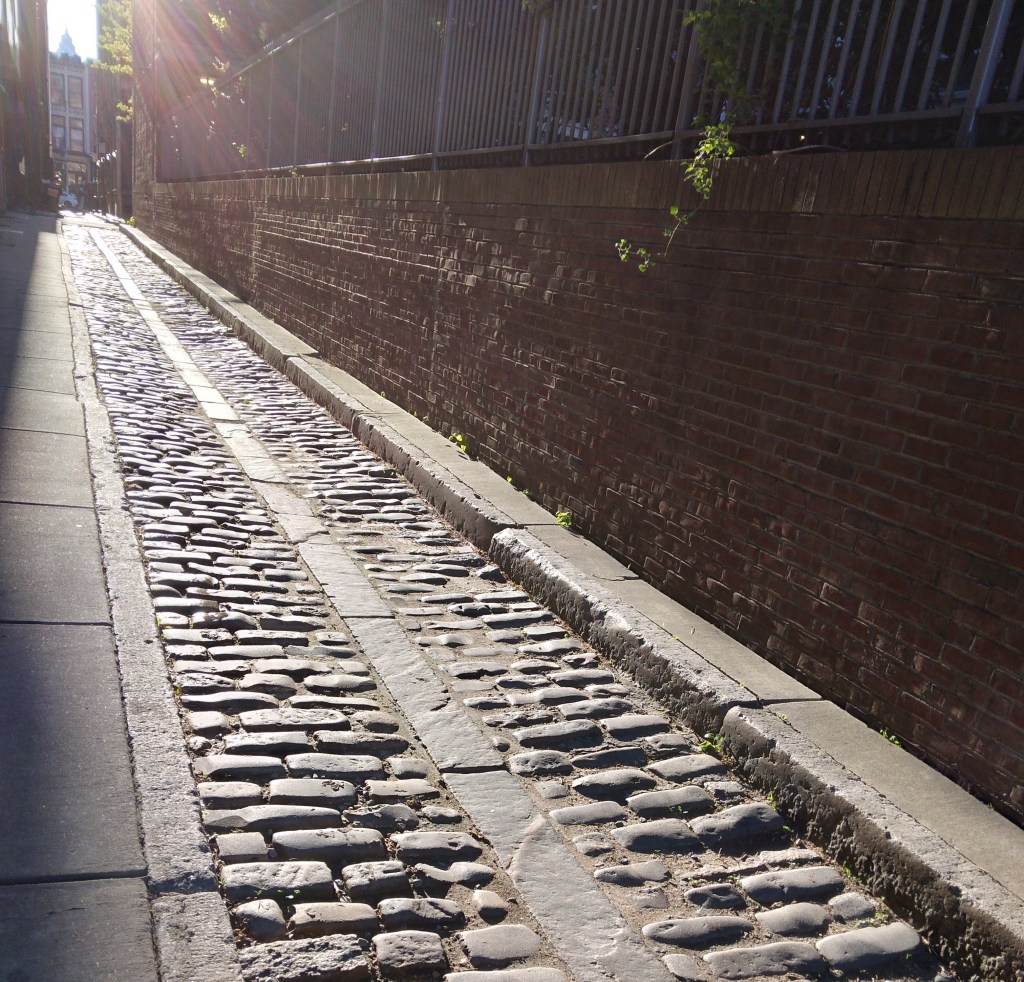
We will stop at sites that hold Hercules’ story. Sites such as Ricketts Circus and the High Street Market. We will also stroll down the 100 block of Black Horse Alley which was added to the Philadelphia Register of Historic Places’ Historic Street Paving Thematic District in 1998. Some of the granite blocks date back to Hercules’ time in Philadelphia.
Walking in Hercules Posey’s Footsteps will be held on Saturday, May 16, 2026, from 10 a.m. to 12 p.m. The event is free but reservations are required. To reserve a spot, go here.