May is Preservation Month, an annual celebration dedicated to promoting the importance of preserving historic places and cultural heritage. This year’s theme, “all people are created equal,” focuses on places that tell the full American story.
As the nation marks 250 years since the Declaration of Independence, preservation demands urgency, honesty, and accountability. The words “all people are created equal” did not include Black people. The built environment carries the evidence of that contradiction.
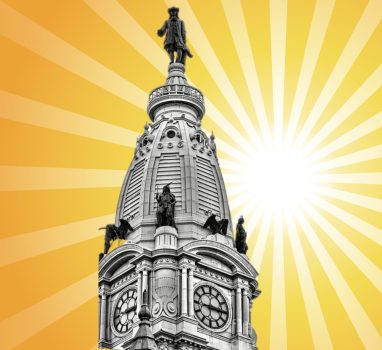
At its core, historic preservation is about storytelling. At my upcoming walking tour, Hercules Posey’s Philadelphia, we will visit historic landmarks to tell the story of President George Washington’s enslaved chief cook. Places like Independence Hall, Congress Hall, Old City Hall and Christ Church.
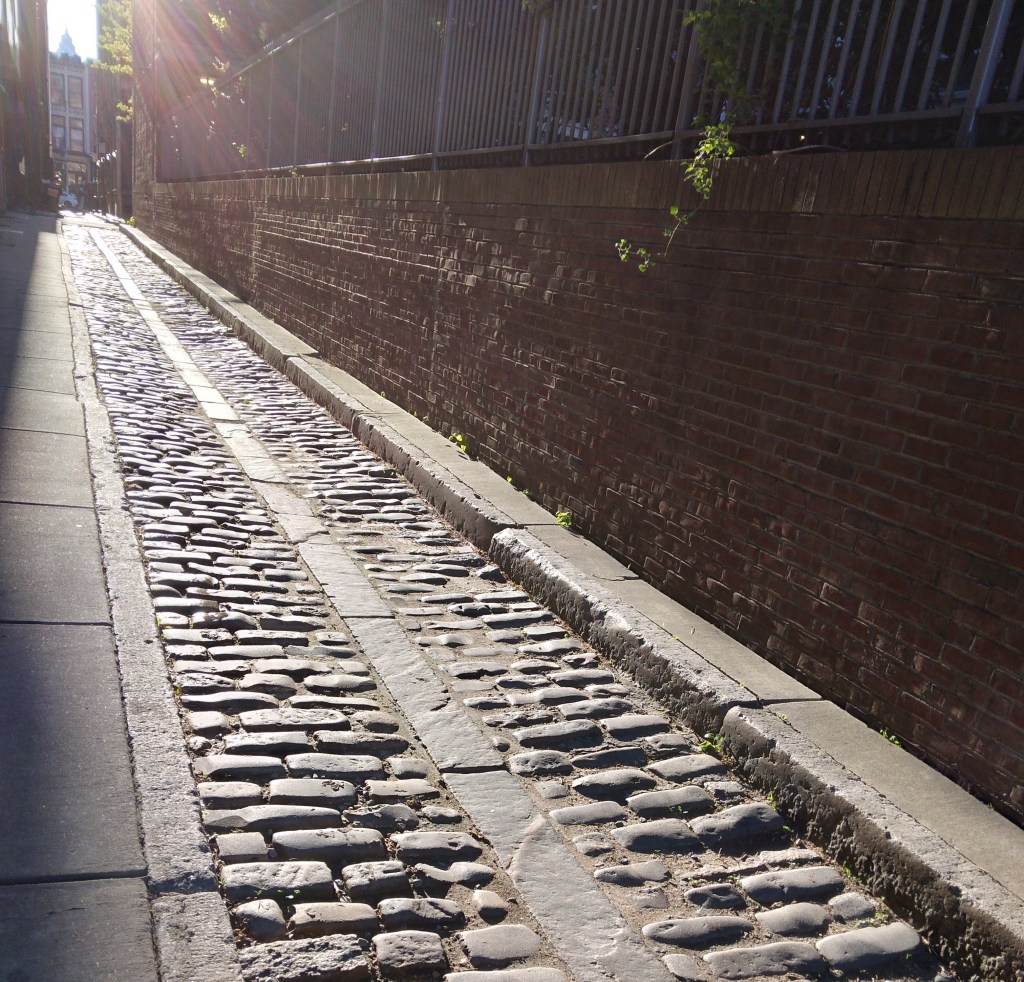
We will stop at sites that hold Hercules’ story. Sites such as Ricketts Circus and the High Street Market. We will also stroll down the 100 block of Black Horse Alley which was added to the Philadelphia Register of Historic Places’ Historic Street Paving Thematic District in 1998. Some of the granite blocks date back to Hercules’ time in Philadelphia.
Walking in Hercules Posey’s Footsteps will be held on Saturday, May 16, 2026, from 10 a.m. to 12 p.m. The event is free but reservations are required. To reserve a spot, go here.
In a Philadelphia Inquirer op-ed, Michael Coard, founder of ATAC, wrote:
These were not restorations. They were revisions — an attempt to soften and sanitize George Washington’s deep involvement in slavery, recasting a man who enslaved African men, women, and children from the age of 11 until his death as someone merely “uncomfortable” with the institution. They even suggest the enslaved in Philadelphia experienced a “modicum of autonomy.”
Let’s be clear: There is no autonomy in enslavement.
If Washington felt “discomfort,” imagine the lived reality of the 316 African descendants he held in bondage. If NPS believes “autonomy” applies to human beings in chains, then it fundamentally misunderstands the brutality of slavery.
From his first breath at Pope’s Creek to his last breath at Mount Vernon, Washington was surrounded by enslaved people. Throughout his life, he was involved with the institution of slavery. While his views on slavery changed over time, Washington’s private musings are trumped by his public actions.
Fact is, Washington did not emancipate an enslaved person during his lifetime.
Washington “owned” outright 123 Black people. His personal servant, William “Billy” Lee, was the only one given “immediate freedom” upon Washington’s death. The remaining 122 enslaved people were to be freed upon the death of Martha Washington.
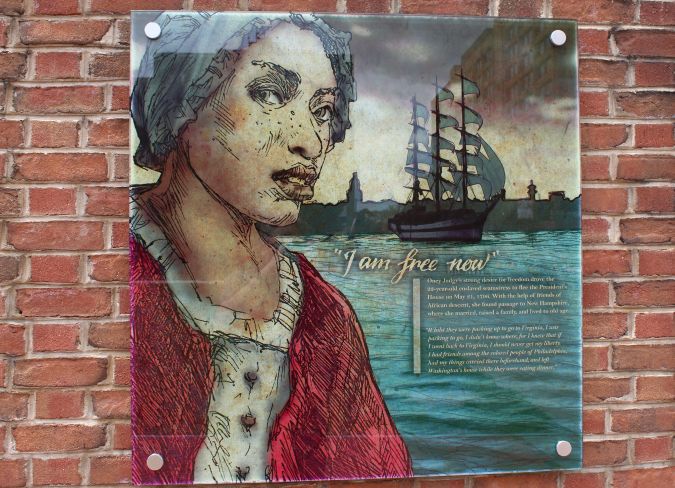
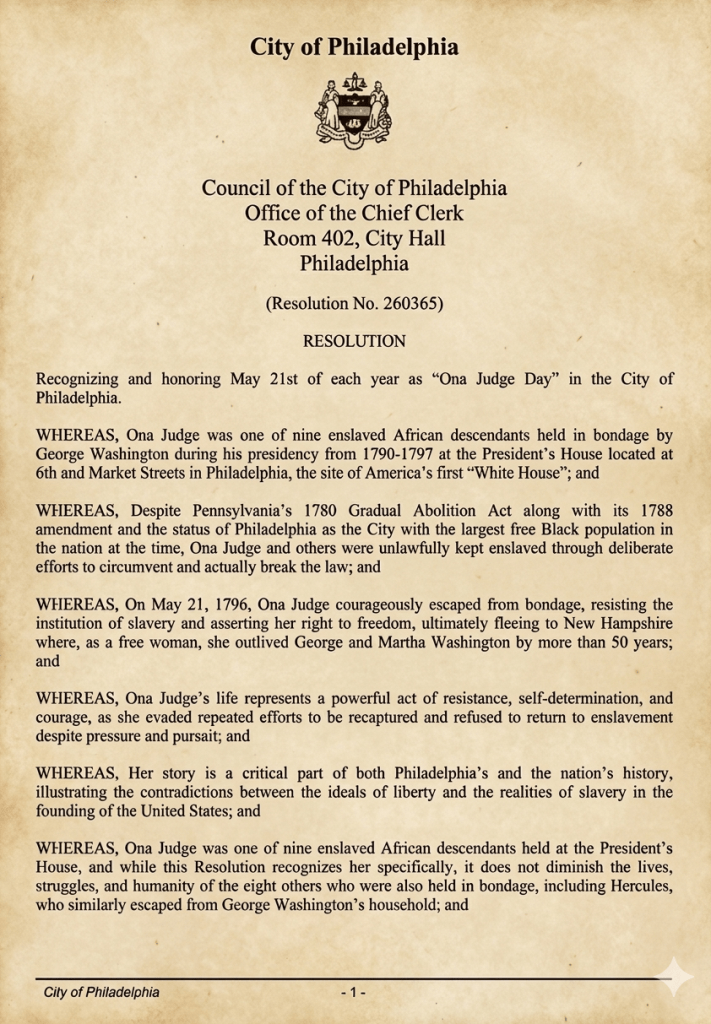
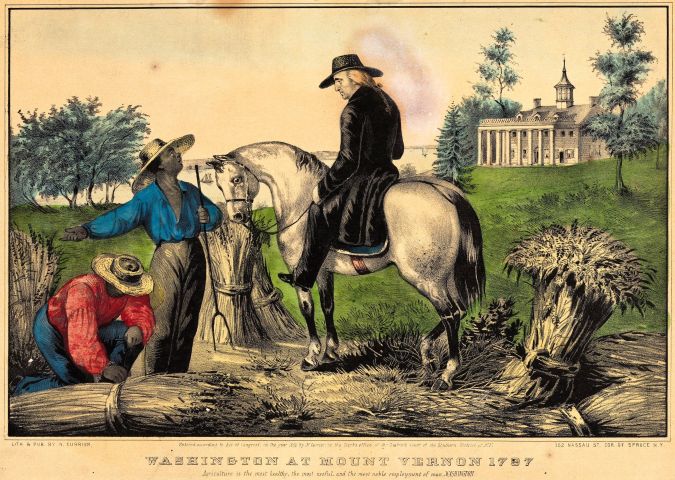
Washington owned, bought, sold, rented and bargained for Black people. He pursued those who dared to seek their freedom. From 1771 to his death in 1799, he pursued freedom seekers including Harry, Hercules Posey and Ona Judge.
I am nominating President Washington’s enslaved chief cook, Hercules Posey, for a Pennsylvania historical marker. I will submit the nomination on May 15, 2026, the 214th anniversary of his death.
On Saturday, May 16, 2026, I will lead a walking tour of people, places and events in Hercules Posey’s Philadelphia. To join us, send your name and email address to phlwatchdog@gmail.com.
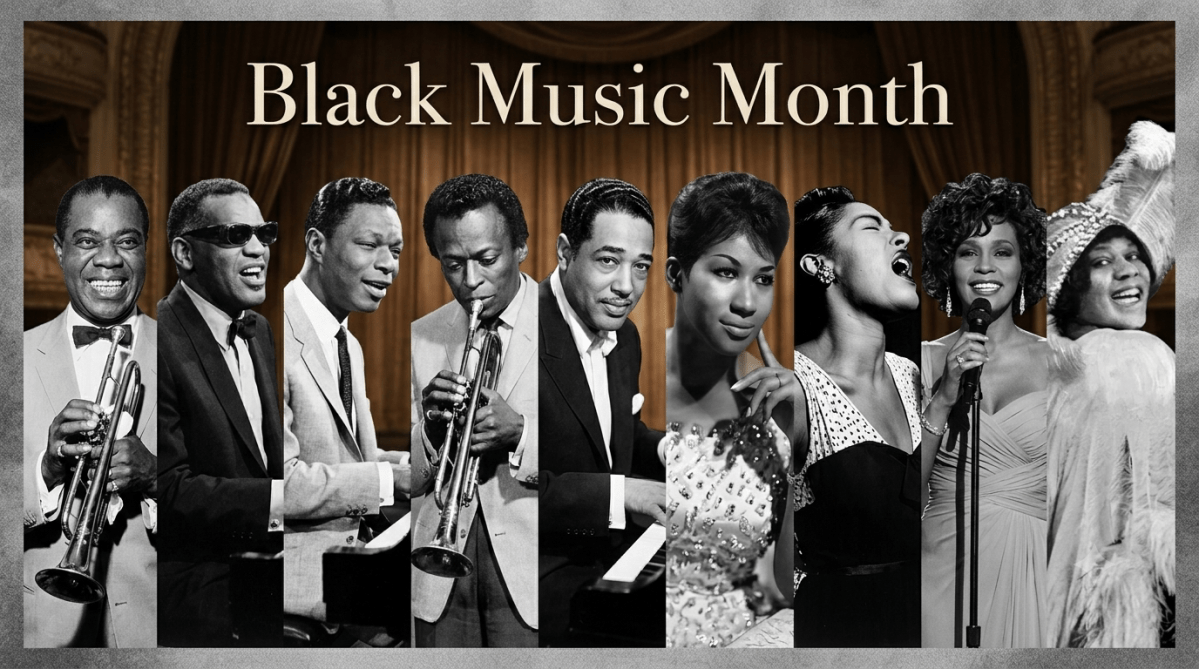
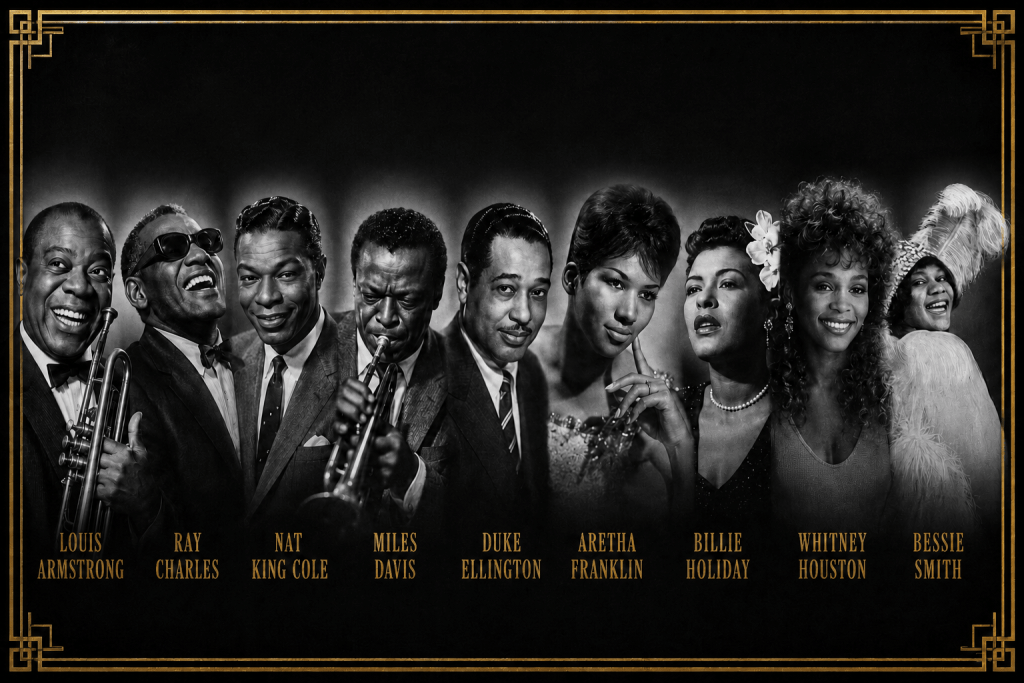
April is Jazz Appreciation Month, a nationwide celebration to recognize jazz as a uniquely American art form rooted in Black history and cultural expression. Established in 2001 by the National Museum of American History, people of all ages are encouraged to engage with jazz through education and performance.
Jazz at Lincoln Center recently launched JazzCall for Freedom, a “coordinated civic response to a moment of deep division in our country.” The bandstand is turned into “a public square for civic expression and renewal.”
JazzCall for Freedom is a call to action against “a rising movement towards authoritarianism.” The social media campaign uses jazz to engage with ideas about democracy and freedom.
Jazz at Lincoln Center Managing and Artistic Director Wynton Marsalis notes that “jazz has always been a civic minded music and it gives us a chance to be a part of that legacy.” That legacy dates back to Billie Holiday whose 1939 recording of “Strange Fruit” is the first protest song of the modern Civil Rights Movement.
Each Friday, Jazz at Lincoln Center will share a video featuring an artist performing a chorus of a song embodying the spirit of democracy. This week’s song is Stevie Wonder’s “Visions” performed by Cécile McLorin Salvant and Sullivan Fortner.
For information on how you can add your voice to this national “call and response,” visit jazz.org/jazzcall.
This weekend, I led a teach-in at the President’s House Site organized by the Association of Philadelphia Tour Guides.
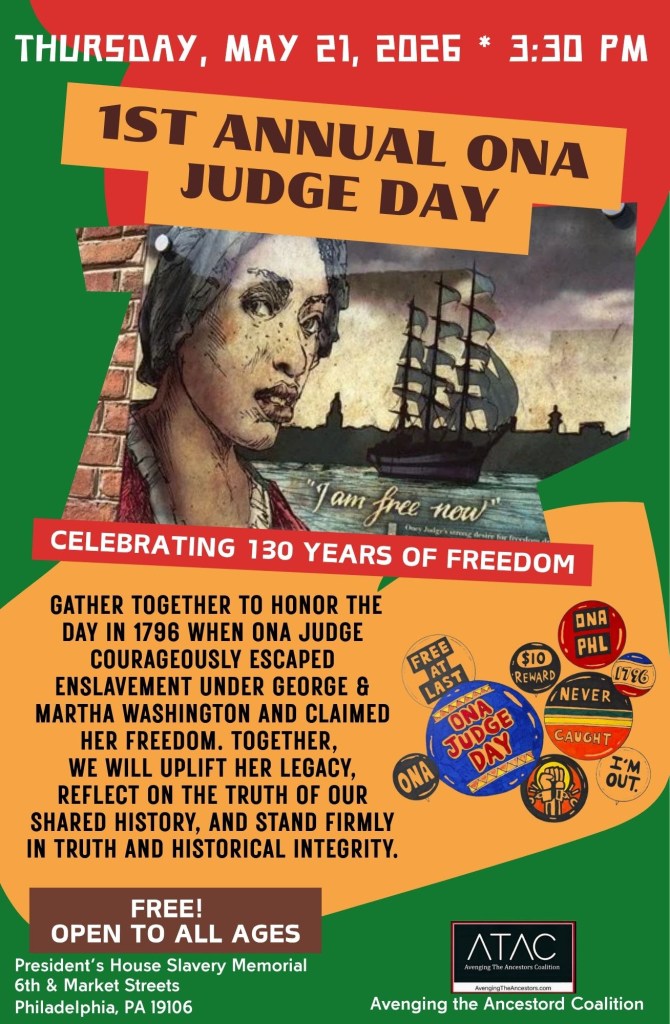
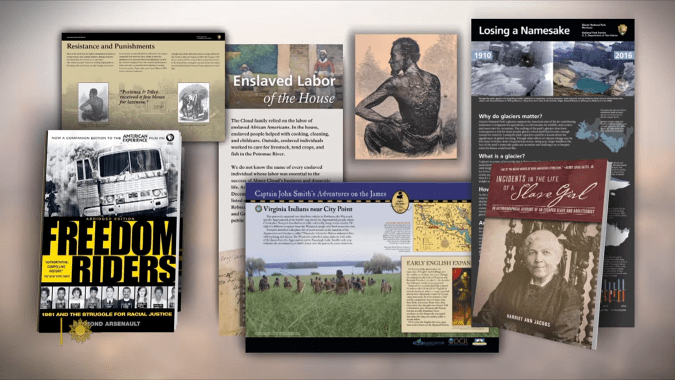
There was a steady stream of visitors to the site. Most were aware that the National Park Service removed the interpretive signs and were ordered to reinstall them. However, they were surprised the President’s House Site has not been restored to its physical status as of January 21, 2026 as ordered by U.S. District Judge Cynthia M. Rufe.
The Department of the Interior appealed Judge Rufe’s order to the Third Circuit Court of Appeals. Full restoration of the site was paused by Judge Thomas M. Hardiman. As the lawsuit, City of Philadelphia v. Doug Burgum, Secretary of the Interior, et al., moves through the federal courts, the President’s House Site will remain partially restored.
On the two-month anniversary of the removal of the interpretive panels, CBS Sunday Morning aired a report, “Signs of the times: Removing stories of America’s past from our national parks.”
Jim Axelrod interviewed Alan Spears, Senior Director for Cultural Resources at the National Parks Conservation Association.
Spears has a clear message for those who cannot handle the truth about the “nuanced nature of our history”:
If you are thinking about visiting a national park, if you don’t want to tackle any of these large issues that make you think critically about race and slavery, and gender and other things like that, there are hundreds of thousands of places in the United States where you can go. Knock yourself out at Six Flags but don’t ruin it for the rest of us who have come to rely on national parks as places for that learning.
We want to maintain their ability, unimpaired, to be able to talk about the full scope of our history – wonder, warts and all.
President Trump wants to erase the fact-based history told at the President’s House Site. Removal of the interpretive panels is a “sign o’ the times.”
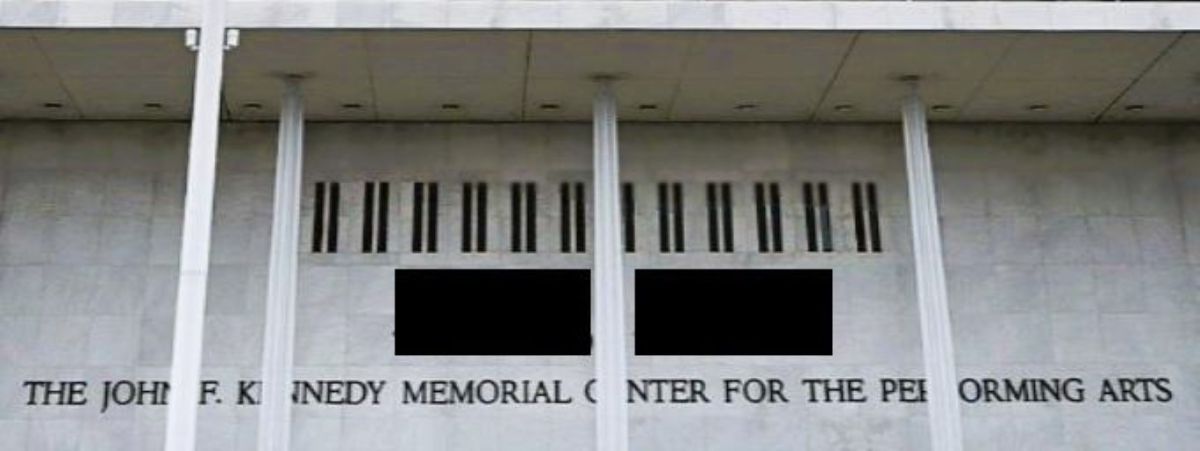
Donald Trump’s first year back in the White House was an annus horribilis. As the curtain was falling on 2025, President Trump’s handpicked Board of Trustees slapped his name on the John F. Kennedy Center for the Performing Arts. The Trump-stacked board changed the bylaws to allow only his sycophants to vote on the name change. Trump’s name on the building desecrates the living memorial to the 35th President of the United States.
By law, “no additional memorials or plaques in the nature of memorials shall be designated or installed in the public areas of the John F. Kennedy Center for the Performing Arts.” The illegal renaming prompted jazz drummer and vibraphonist Chuck Redd to cancel his Christmas Eve concert.
In a letter to Redd, Kennedy Center President Richard Grenell wrote this is “your official notice that we will seek $1 million in damages from you for this political stunt.”
Redd should call Grenell’s bluff. He would not have to worry about legal fees. Requests for donations to his legal defense fund would break the internet. It’s laughable to think the Kennedy Center would seek $1 million in damages for the cancellation of a free concert. There were no ticket sales; there were reservations. Through the discovery process, Redd would gain access to Board minutes and financial records.
Courage is contagious. Fall of Freedom is giving way to Winter of Discontent at the Kennedy Center. Shortly after Trump installed himself as chairman, “Hamilton” canceled its 2026 run at the storied art and culture institution.
The Cookers cancelled their New Year’s Eve concerts. The band’s drummer, Billy Hart, told the New York Times “the center’s name change had ‘evidently’ played a role” in the cancellation.
In canceling their gigs, Redd, the Cookers and the cast of “Hamilton” are following in the footsteps of the legendary citizen artists featured in the Kennedy Center’s immersive exhibit, “Art and Ideals.”
At the 1964 Berlin Jazz Festival, Dr. Martin Luther King Jr. observed that jazz musicians were the vanguard of the Civil Rights Movement. In a statement posted on their website, the Cookers said:
Jazz was born from struggle and from a relentless insistence on freedom: freedom of thought, of expression, and of the full human voice. Some of us have been making this music for many decades, and that history still shapes us. We are not turning away from our audience, and do want to make sure that when we do return to the bandstand, the room is able to celebrate the full presence of the music and everyone in it.
NEA Jazz Master Billy Taylor was artistic director at the Kennedy Center from 1994 until his death in 2010. Dr. Taylor’s composition, “I Wish I Knew How It Would Feel to Be Free,” was an unofficial anthem of the Civil Rights Movement.
Redd’s canceled concert was to be held on the Millennium Stage. The Billy Taylor Trio inaugurated the Millennium Stage on March 1, 1997.
As long as Trump’s name is on the wall, jazz musicians should not set foot in the building. The only jazz should be live from the archives, Billy Taylor’s Jazz at the Kennedy Center (here and here).
UPDATE: Jazz trumpeter and violinist Wayne Tucker canceled his January 22, 2026 concert which was scheduled for the Millennium Stage.
Master silhouette artist Moses Wlliams passed away on December 13, 1830. Born into slavery in August 1776, Moses lived in the shadow of his enslaver, Charles Willson Peale. Moses grew up in the same household with Peale’s children, but he was denied the opportunity to learn the fine art of painting that was afforded his enslaver’s children.
Moses made a way out of no way. He excelled as a silhouette artist and earned a place in history. Moses’ Pennsylvania historical marker will be dedicated in 2026, the 250th anniversary of his birth.
Moses was interred at Northwest Burial Ground on December 20, 1830. Sometime between 1853 and 1868, the burial ground was sold, the bodies disinterred, and a church constructed on the site. Some of the remains were removed to Section 203 at Mount Moriah Cemetery in 1868 under a monument that reads: “Sacred to the memory of the dead whose remains were removed from the 16th and Coates St. Cemetery of St. Georges M. E. Church Philadelphia to this place in the year 1868.”
Mount Moriah has no record that Moses’ remains were among those reinterred in Section 203. In the absence of a final resting place, All That Philly Jazz Director Faye Anderson plastered the only known image of Moses in Freeman Alley, a graffitied place of remembrance in New York City.
Pasting over others’ stickers is part of the culture of Freeman Alley.
When Moses Williams’ historical marker is unveiled in 2026, he will have a permanent place in public memory.
The dedication ceremony is open to the public. If you are interested in attending, send your name and email address to phillyjazzapp@gmail.com.
A few days before Fall of Freedom walking tour of Billie Holiday’s Philadelphia, the Philadelphia Inquirer published All That Philly Jazz Director Faye Anderson’s opinion piece in which she wrote:
No artist has met the moment with more courage than Lady Day, whose 1939 recording of “Strange Fruit” was named song of the century by Time magazine in 1999, and was added to the National Recording Registry in 2002.
“Strange Fruit” is a timeless and empowering act of creative resistance
While Holiday is sui generis, jazz musicians were the vanguard of the civil rights movement.
At so-called black and tan clubs like the Down Beat and the Blue Note, Black and white people intermingled on an equal basis for the first time.
Jazz clubs were constantly harassed by Philadelphia police led by vice squad Capt. Clarence Ferguson and his protégé, Inspector Frank Rizzo. The nightspots became battlegrounds in the struggle for racial justice. Jazz musicians’ unbowed demeanor fashioned a new racial identity
[…]
Courage is contagious. When we gather on South Broad, we are the resistance.
In collaboration with Scribe Video Center, the walking tour began at the Academy of Music where Billie had several engagements, including on May 6, 1946.
We stopped at the former location of the Radnor Hotel, a Green Book site, where Billie and her husband-manager, Louis McKay, were arrested on February 23, 1956. The raid was led by Captain Clarence Ferguson of the Philadelphia Police vice squad. The arrest is depicted in the biopic United States vs. Billie Holiday.
The penultimate stop was the site of Emerson’s Tavern, the jazz club where Billie last performed in Philadelphia. Emerson’s is the setting for the Broadway play, “Lady Day at Emerson’s Bar and Grill.”
The walk and talk ended at the former Attucks Hotel where on May 15, 1947, Billie’s room was raided while she was performing at the Earle Theater. Billie got a heads-up and fled to New York City where three days later she was arrested. She was subsequently convicted of narcotics possession and sentenced to one year and one day. Billie served her time at Alderson Federal Prison Camp in West Virginia.
The following Monday, Faye plastered the sticker that was given to participants all over Freeman Alley, a graffitied place of remembrance on the Lower East Side. Freedman Alley is located about a mile from Café Society, the Greenwich Village jazz club where Billie first sang “Strange Fruit.”
In the participant feedback survey, Faye expressed her hope that Fall of Freedom would lead to Winter of Our Discontent and Freedom Summer.