76 Place Impact Studies Released

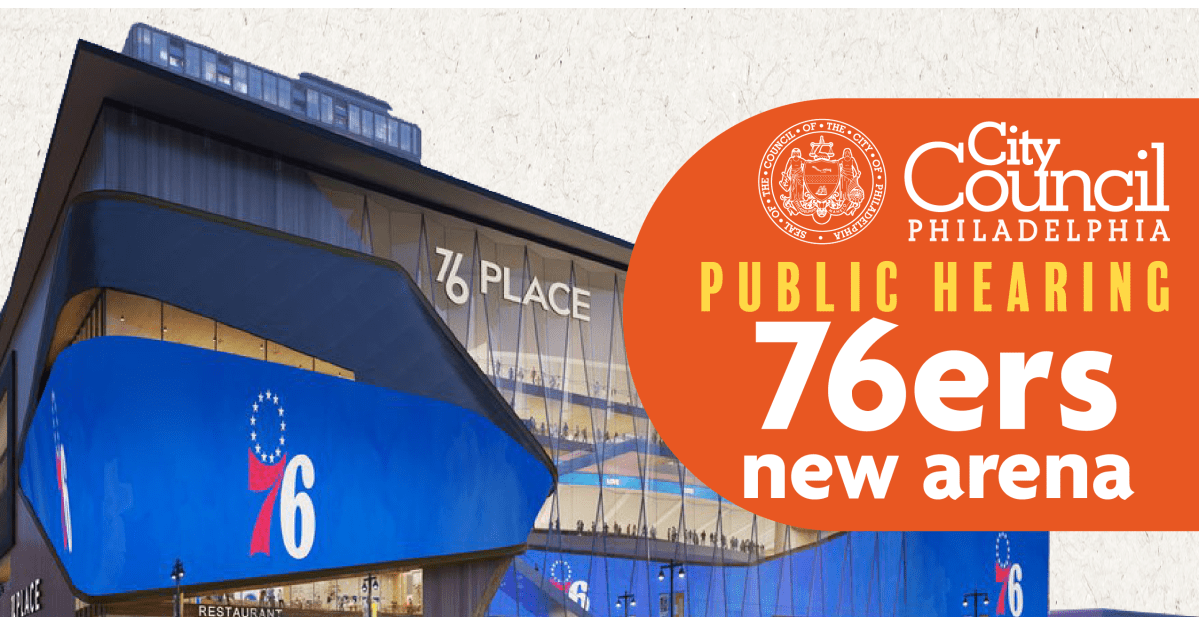
The City of Philadelphia released the long-awaited studies on the impact of the Philadelphia 76ers’ proposal to build a basketball arena in Center City today, August 26, 2024. The studies were paid for by the Sixers’ development team, 76 DevCo. The City claims the “developer had no further involvement and PIDC and the City retained all control over selection and management of the consultants.”

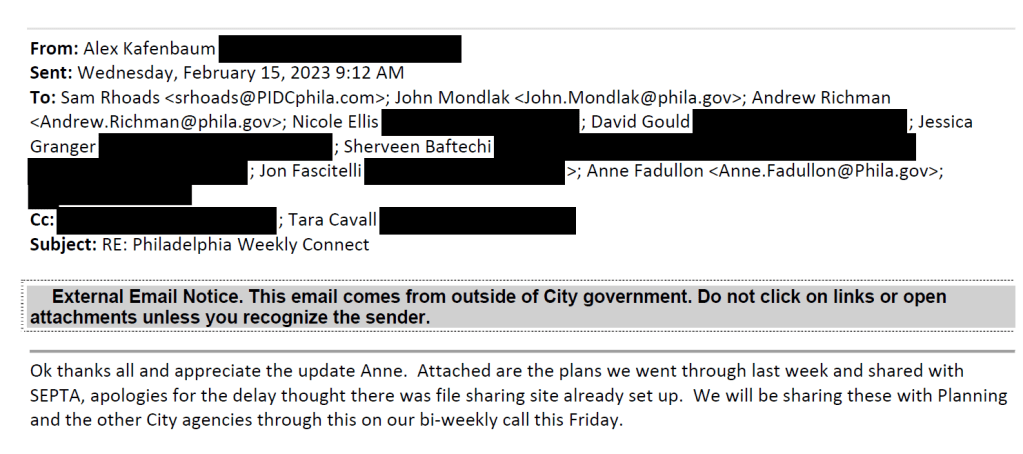
There was no need for the developer (read: 76 DevCo) to be further involved since records received in response to my Right-To-Know Law requests show 76 DevCo representatives have been in constant communication with PIDC and City officials and employees since April 2022.

While I have just begun to read the economic impact report, I have read the literature on sports facilities and their economic impact – and watched John Oliver.


Prof. John Charles Bradbury, a leading authority on the economic impact of sports venues, recently posted this image on X/Twitter.

I am a grown woman. Bradbury’s image is worth more than the 73-page “New Sixers Arena: Incremental Event Economic Impact Analysis.” The report was submitted to Sam Rhoads, executive vice president of the Philadelphia Industrial Development Corporation (PIDC). Rhoads convened weekly meetings with the developer.

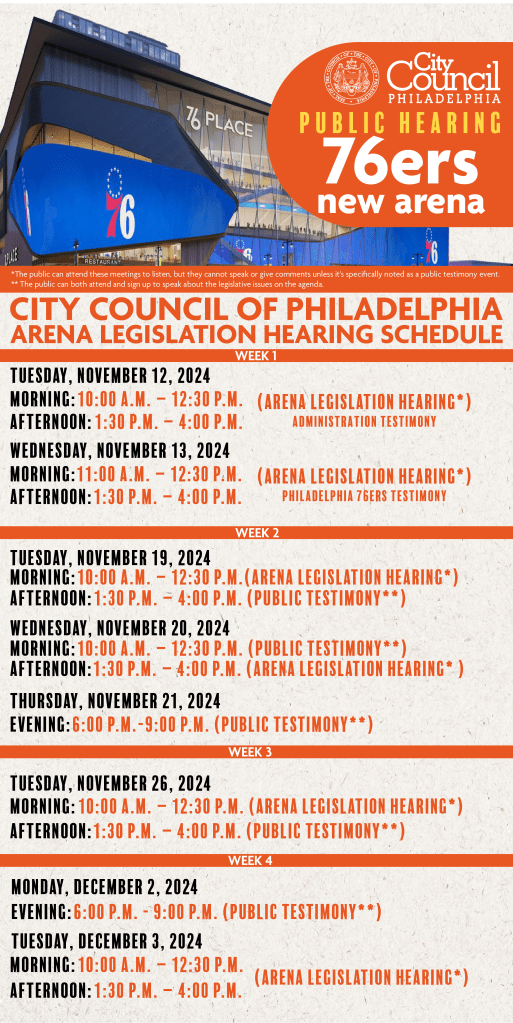
The public is invited to share “constructive feedback” here. I’ll share my comments at the public hearings on the reports.

It should be noted the Sixers’ public transit-oriented project needs more than the approval of Mayor Cherelle Parker and City Council. The City of Philadelphia could green-light the project but SEPTA must approve building the arena atop Jefferson Station. My open records requests show SEPTA officials were also in constant communication with 76 DevCo representatives since April 2022. SEPTA is on board but the agency is facing a fiscal cliff and oversight by the Federal Transit Administration.

Philadelphia 76ers’ Arena Proposal Enters Its Terrible Twos

The Philadelphia 76ers announced their proposal to build a basketball arena atop SEPTA’s Jefferson Station on July 21, 2022. Public records show 76 Place representatives had been meeting with SEPTA and Philadelphia government officials as early as April 2022.

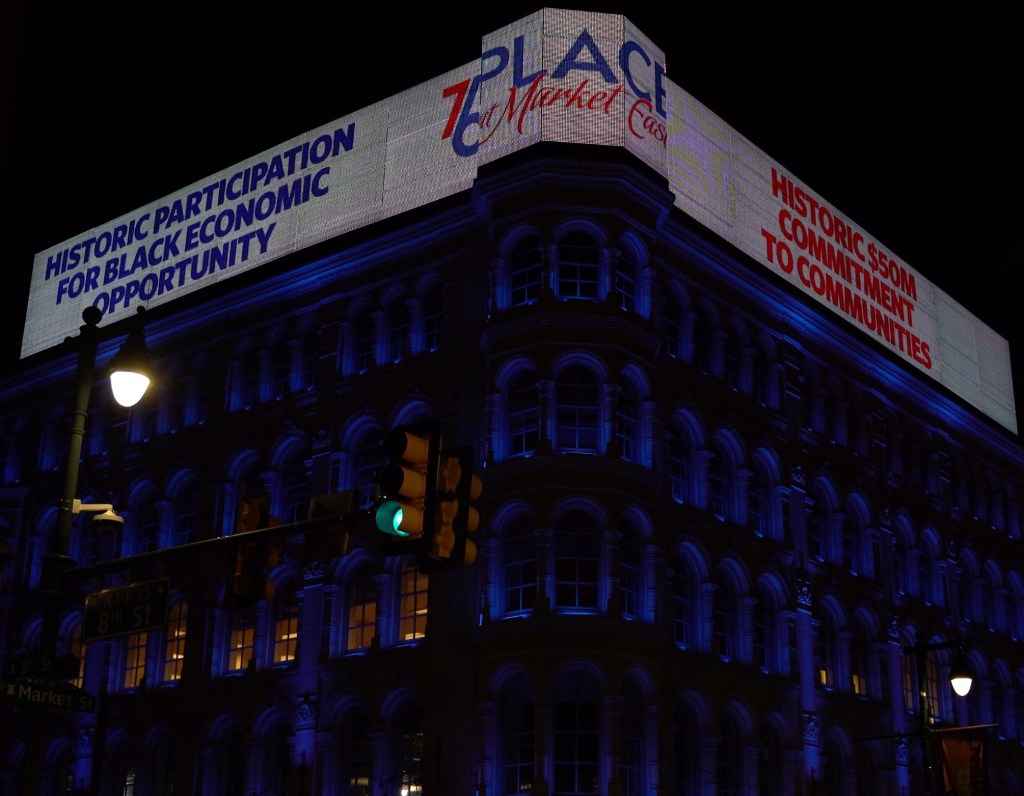
The 76ers have spent millions on unsuccessful mayoral candidate, lobbyists, lawyers, architects, traffic engineers, consultants, public relations, Astroturf community meetings, canvassing, and race-baiting billboard.


Two years later, their millions have brought the 76ers no closer to getting the approvals necessary to build an arena that would benefit no one other than the billionaire owners themselves. So like a two-year-old, the owners are throwing a tantrum. They reportedly are in negotiations to build an arena in Camden, New Jersey where their headquarters and practice facility are located. ROI-NJ reports:

The sources indicated that talks have picked up recently, in part because HBSE’s efforts to build a new arena in Center City Philadelphia have hit repeated roadblocks, despite the fact that the owners have indicated they would self-finance the $1.3 billion proposed project.

[…]

The clock appears to be ticking on 76 Place. In order to be ready for 2031-32 season, construction likely would need to begin in 2025. That means approvals from the city need to come this year.

76 Place hype man David Adelman has said there is “no Plan B.” Fact is, the 76ers proposed building an arena at Penn’s Landing in 2020 (Plan A). 76 Place is Plan B. The move to Camden would be, well, Plan C.

To mark the second anniversary of 76 Place, I will submit new FOIA and Right-To-Know Law requests to the Federal Transit Administration, Federal Railroad Administration, SEPTA and Pennsylvania Department of Transportation.

SEPTA Should Get Their Money Where They Spend Their Time

The region’s public transit agency is facing a fiscal cliff. General Manager and CEO Leslie Richards said the agency’s COVID relief funds have dried up and SEPTA is facing a $240 million deficit. The agency was counting on an additional $140 million in state funds. Instead, SEPTA will receive $53 million of the one-time transfer of $80 million to the Public Transit Trust Fund passed by the Pennsylvania legislature on July 11.

SEPTA does not have money to keep the buses, subway, trolleys and trains running, but they have money to pay outside lawyers to fight the Pennsylvania Office of Open Records’ order to produce records related to the Philadelphia 76ers’ proposal to build a basketball arena atop Jefferson Station. The public has a right to know the impact of six years of demolition and construction on SEPTA’s operations and budget.

SEPTA officials and employees have been meeting and consulting about 76 Place since April 2022. Records obtained via my Right-To-Know Law requests to local agencies show that 76 Place representatives embedded themselves in the agency’s operations. SEPTA employees frequently met about 76 Place. Richards and Chief Operating Officer Scott Sauer led SEPTA Board members on “site visits” to 76 Place. The SEPTA Board has a 76 Place subcommittee.

While SEPTA officials and employees huddle with representatives of the 76ers billionaire owners, the agency wants more taxpayers’ money. The beleaguered transit agency should get their money where their employees and officials spend their time.

UPDATE: In a report released on July 15, the Federal Transit Administration ordered SEPTA to fix the “escalating pattern” of safety incidents. The Philadelphia Inquirer reports:

Citing a “deteriorating safety record” with a higher-than-average accident rate, the Federal Transit Administration has ordered SEPTA to better protect transit operators from assaults, improve employee training, and tighten bus and rail procedures to prevent injuries and fatalities.

The regulatory agency found 16 problems that it said make the regional public transit system potentially more dangerous for riders and workers — including staffing shortages in key jobs. In all, it required 24 corrective actions in its exhaustive Safety Management Inspection of SEPTA’s bus, trolley and subway operations, according to a report released Monday.

FTA launched its investigation in August 2023 after a rash of Philadelphia bus and trolley crashes, including five major collisions during a single week in late July of last year that killed one person and injured at least 25.

[…]

Improvements will require new spending, especially for hiring, even as SEPTA confronts a $240 million operating deficit, Richards and other executives said. It is not yet clear how much compliance will cost.

Read more

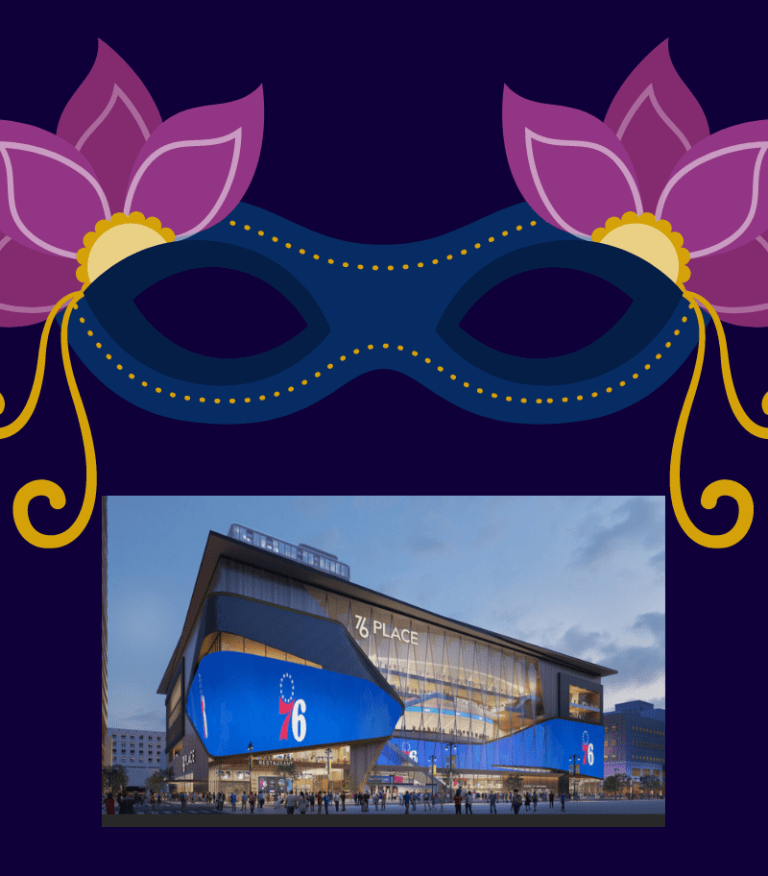
76 Place Masquerade

76 Place development team’s second time before the Civic Design Review committee fared no better than the first time. KYW Newsradio said the Sixers’ master plan for Market East “got another brutal bashing.”

The Philadelphia Inquirer reported:

Members of a city-appointed advisory panel panned the Sixers plan for a downtown arena on Tuesday, calling it “undercooked” and questioning whether construction would repeat harmful mistakes of the past.

“I don’t think as a city we just need to accept this as our fate,” said committee member Ashley DiCaro, a senior associate at Interface Studio urban planning. “We need to think about the real giveback here and whether we should build this thing.”

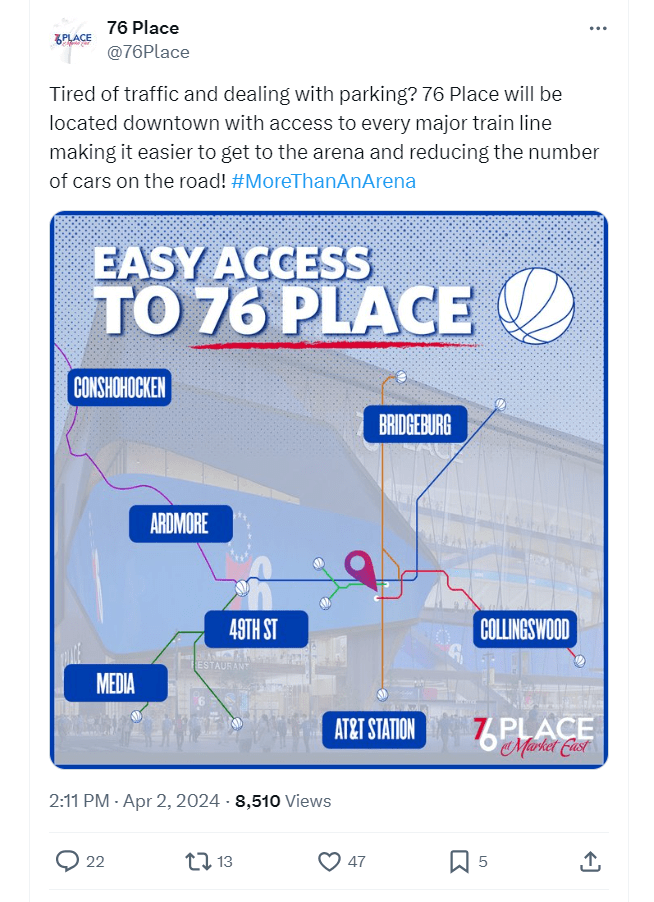
Not to be outdone, the Camden-based 76 Place communications team posted a half-baked transit map rife with errors on X/Twitter. When the map was ridiculed, the post was deleted.

Much to their chagrin, I had taken a screenshot.

AT&T Station was renamed NRG Station in 2018. There is no “Bridgeburg” station. The Bridesburg Station is located in Northeast Philadelphia, not in North Philly at the end of the Broad Street Line. How can anyone trust the design of a transit-oriented project when they cannot draw an accurate transit map?

76 Place front man David Adelman told a group of businesspeople that “five years from now people will look back and feel like this was a no brainer.”

Five years ago, the Fashion District was a “no brainer.” The state and city pumped $137 million into the project to revitalize Market East. As noted during the CDR, the Fashion District is now a dying indoor mall:

She [Ashley DiCaro] and some other members of the city’s Civic Design Review committee — which includes design and land-use experts — reached back a half-century to the building of the Gallery mall, which turned three central blocks of East Market Street into a mostly closed, inward-facing series of walls. Five years ago the site became the Fashion District, another struggling mall, where the basketball team intends to build.

Today, DiCaro said, it’s clear the Gallery was a mistake, one that wiped away the natural urbanism of the city in exchange for a promise of development.

The promised development never happened. Instead, Adelman and his development team began meeting with government officials behind closed doors in April 2022. The proposed arena would demolish a section of the publicly-subsidized Fashion District.

In a city that’s majority-minority, Adelman, a billionaire, is playing the race card to further line his pockets. One Pennsylvania Political Coordinator Nydea Graves said:

Arenas are not for the community, they are for the developers. 76 Place won’t pay any property taxes. Research shows that wages fall for black workers when arenas are built. None of this helps our people. The developers pit black folks and Asian folks against one another, keeping us busy while they profit. 76 Place is the same old exploitation dressed up in a Sixers jersey.

76 Place is a self-serving project masquerading as “a catalyst to redevelop and bring back Market East,” a decades-old dead zone for retail and hot spot for crime.

Second Time Around for 76 Place and Civic Design Review

Back in the day, Shalamar had a hit with “The Second Time Around.” As the song goes, the second time around is “better than the first time.”

The first time that 76 Place at Market East development team presented their plan before Civic Design Review, the only people who said anything positive about the project are on the Sixers’ payroll. During the public comment period, no one spoke in support of 76 Place.

The development team will sing the same old song that 76 Place is a “win-win” for Philadelphia during their second time before CDR. However, the 106-page CDR Resubmission is no better than the one presented the first time around.

The updated plan leaves unanswered questions that have been asked for nearly two years, including who will pay for infrastructure and SEPTA upgrades? Who will pay to relocate the entrance to the Market-Frankford Line? Who will pay for the disruption in SEPTA service and ridership?

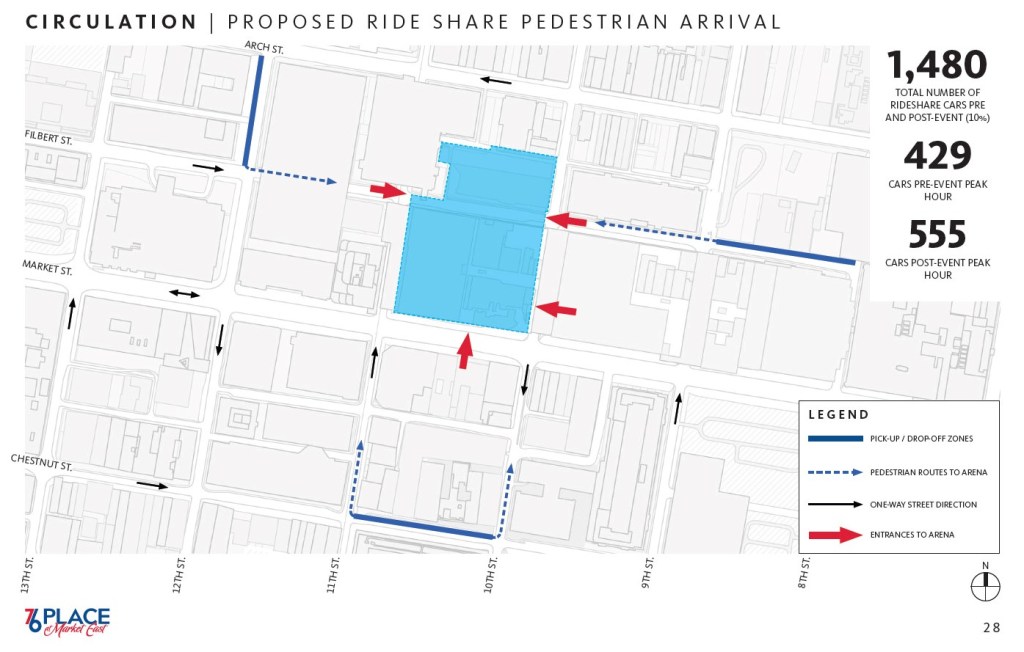
The Sixers propose using 12th and Chestnut Streets as rideshare pick-up and drop-off zones.

The narrow one-way streets are used by Routes 21 and 23, two of SEPTA’s highest ridership bus routes. Demolition, construction and game days would disrupt Route 33.

It is also the second time around for two government officials whose communications with the Sixers are the subject of my Right-To-Know Law Request: Philadelphia City Planning Commission Interim Executive Director Martine Decamp and PCPC Presenter Ian Litwin.

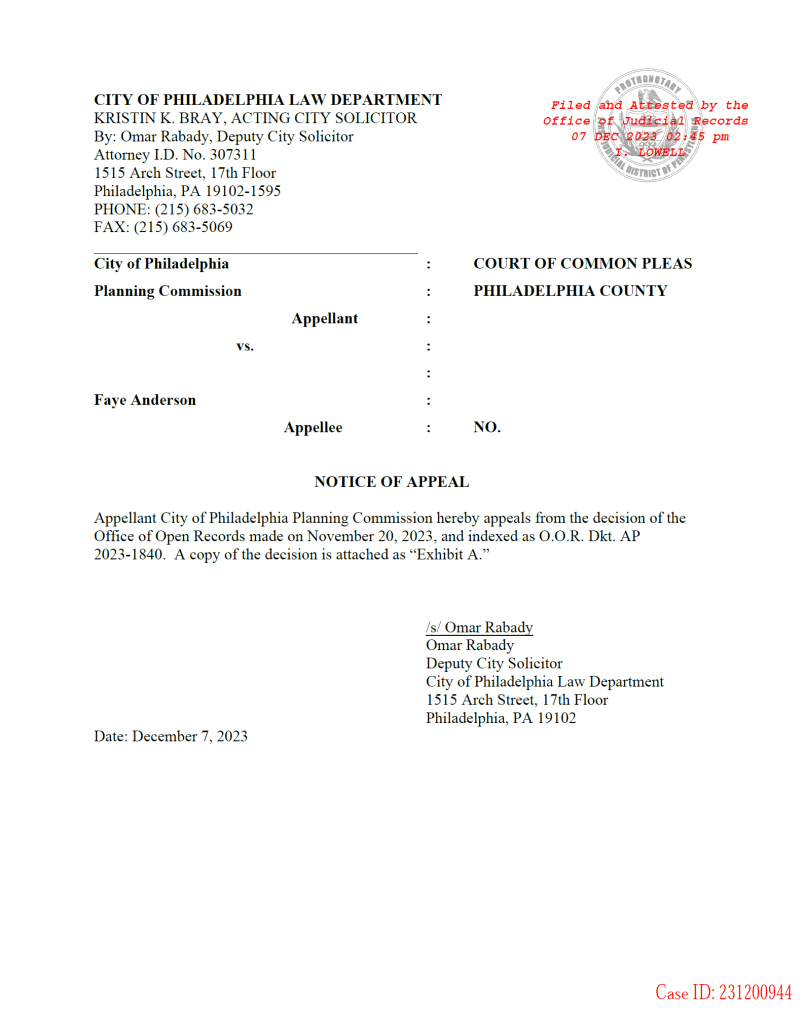
The Pennsylvania Office of Open Records ordered the City Planning Commission to turn over the records. Rather than comply with the OOR’s final determination, the Philadelphia Law Department filed an appeal with the Court of Common Pleas.

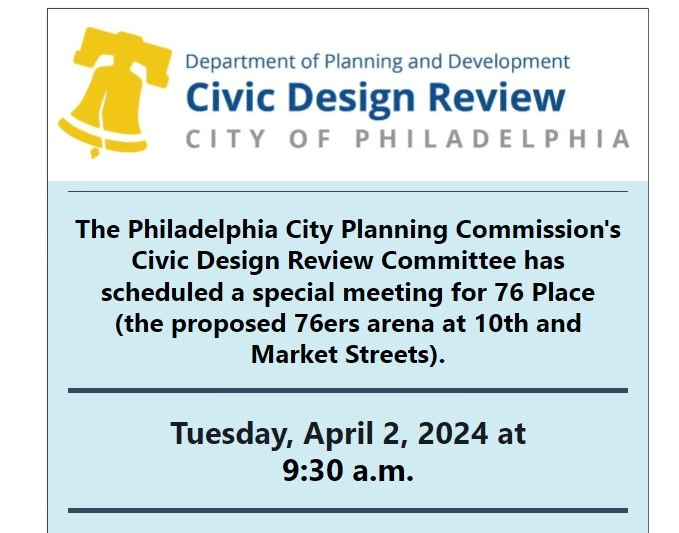
I have an appointment to watch paint dry so I will miss the Sixers’ dog and pony show on April 2. If you are interested in joining the Zoom meeting, you can register for the webinar here.

And The Winner Is …

I nominated SEPTA CEO and General Manager Leslie S. Richards for the Society for Professional Journalists’ 2024 Black Hole Award. The cash-strapped public transit agency has money to pay an outside law firm to fight the release of records as ordered by the Pennsylvania Office of Open Records.

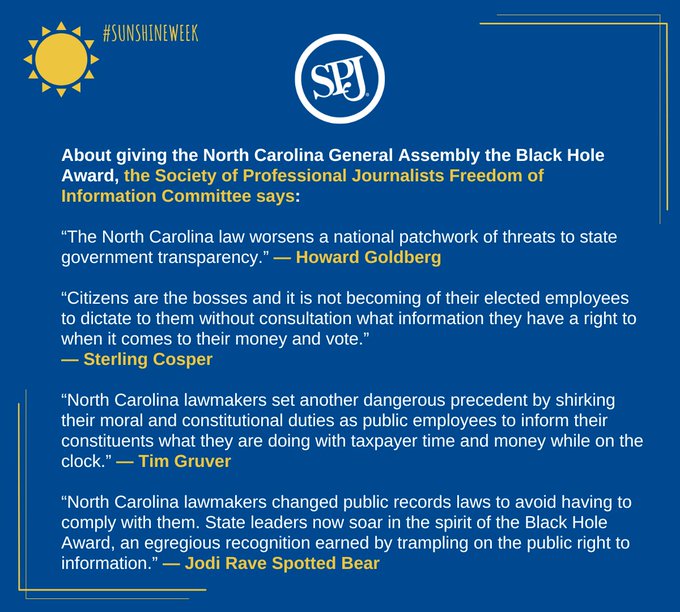
In the OOR’s final determination, SEPTA was ordered to turn over records related to the Philadelphia 76ers’ proposal to build a basketball arena atop Jefferson Station. Like the transit agency she has run into the ground, Richards did not make the cut. The Black Hole Award went to the North Carolina General Assembly.

During Sunshine Week, I received notice that SEPTA submitted the Certified Record of my Right-To-Know Law Request to the Commonwealth Court of Pennsylvania. The legal maneuver is designed to delay compliance with the OOR order. Common sense suggests that if the records supported the Sixers’ claim that 76 Place is a “win-win” for SEPTA and the City of Philadelphia, they would have been released. It bears remembering what SEPTA Director of Media Relations Andrew Busch told NBC Sports Philadelphia in July 2022:

Yes, the Sixers have been in touch with SEPTA regarding their plans for the new arena. We are looking forward to continuing to work closely with the team, the city and other stakeholders moving forward.

There is still no timeline for release of the arena impact studies that were due in December 2023. Tellingly, the Sixers have not released their study that supports their factoid that 76 Place would generate $1.5 billion in new tax revenue. The Philadelphia Inquirer reported:

They have declined to share the calculations behind their tax figure. And they’ve made other bold claims, including the creation of 1,000 permanent jobs and $400 million in annual “economic output.” Meanwhile, the city-sponsored studies that are supposed to offer clarity to decision-makers are months overdue.

With an air of exasperation, City Councilmember Mark Squilla recently told CBS News Philadelphia: “By the end of this year, it will be determined whether we move forward or not.” The clock is ticking.

Where’s SEPTA’s Public Safety Plan for Proposed 76ers Arena?

In his 2024-2025 budget address, Pennsylvania Gov. Josh Shapiro asked for an additional $161 million for SEPTA to keep the transit agency from falling off a fiscal cliff.

Gov. Shapiro said SEPTA has “presented plans to address cleanliness and safety.” Just as Willie Sutton robbed banks because “that’s where the money is,” the Sixers’ proposal to build a basketball arena atop Jefferson Station would increase crime on the beleaguered system.

Christopher Herrmann, an assistant professor in the Department of Law and Police Science at CUNY’s John Jay College of Criminal Justice, recently told Gothamist:

The subway stations are typically what we call “crime generators.” Whenever you have increased people traffic, you’re going to get increased crime, and that’s because offenders want to go to places where they can have their selection of victims.

SEPTA is fighting the release of records related to their communications about the Sixers’ proposal as ordered by the Pennsylvania Office of Open Records. The records will shed light on what, if any, plan SEPTA has to address the increase in crime if the 76ers’ transit-oriented project is approved.

SEPTA Santa Express

Christmas came early for me. The Pennsylvania Office of Open Records (OOR) issued its final determination in my appeal of SEPTA’s denial of my Right-To-Know Law request for records of SEPTA officials’ communications related to the Philadelphia 76ers’ proposal to build a new arena atop Jefferson Station, aka #76Place. The public transit agency denied my request claiming that it was insufficiently specific and “burdensome.”

The OOR found that the request was partially specific and named names, including billionaire David Adelman, Sixers co-owner and 76 Place hype man, and City Councilmember Mark Squilla.

SEPTA was ordered to conduct a good faith search and turn over responsive records to me by January 20, 2024.

All three of my appeals have been granted in part. Pennsylvania’s Right-To-Know Law sure has been good to me. Merry Christmas, baby.