This year marks the 10th anniversary of PHL Watchdog. In the words of legendary gospel singer James Cleveland, “I don’t feel no ways tired.”
As a longtime advocate for transparency and accountability, every year I resolve to “comfort the afflicted and afflict the comfortable.” That includes submitting as many open records requests as necessary to shed light on what is being said and done behind closed doors.
Some agencies may want to falsely label me a “vexatious” or “repetitive” requester. As vexing as the Right-To-Know Law is for corrupt public officials, I have no “vexatious intent.” The public has the right to know whether officials are acting in the public interest or doing the bidding of special interests.
Philadelphia has ranked as the poorest big city in the country for decades. The high poverty rate is not a bug; it’s a feature. Philadelphia’s misleaders are not interested in reducing poverty because there’s a lot of money to be made by insiders and cronies managing poor people.
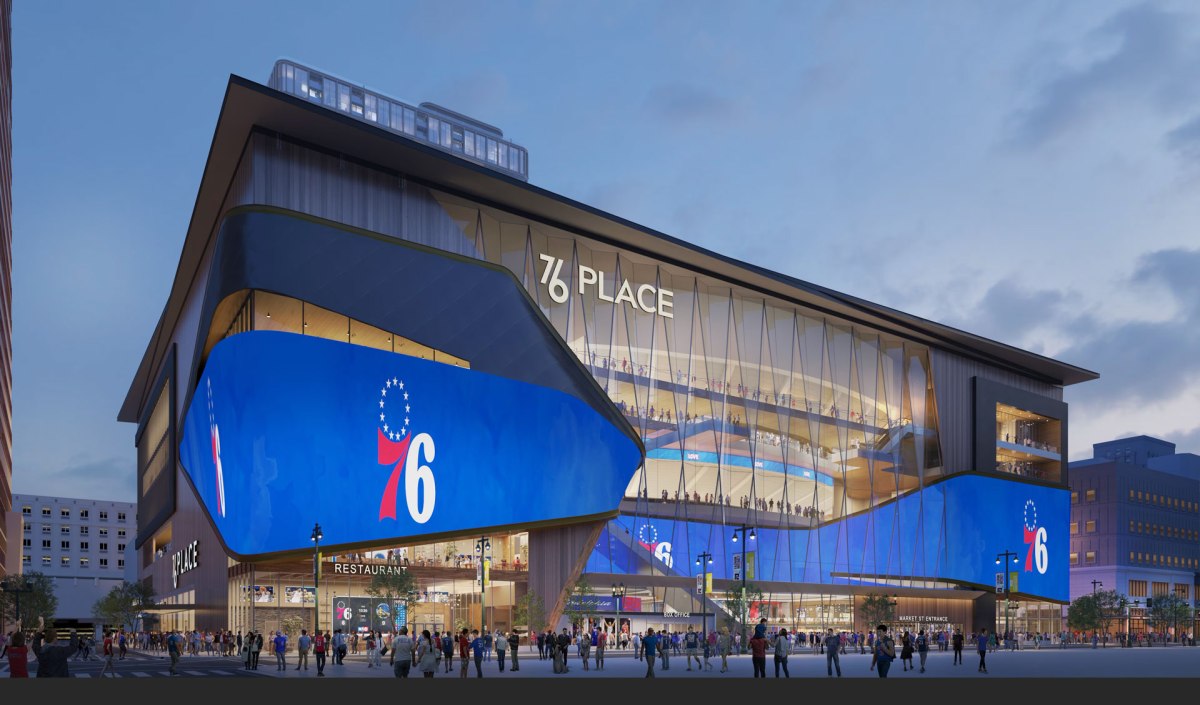
There is also a lot of money to be made by insiders and cronies with the Sixers’ proposal to build an arena atop SEPTA’s Jefferson Station. For more than two years, the billionaire owners of the Philadelphia 76ers have spent millions of dollars lobbying and spreading misinformation about the economic benefits of 76 Place.
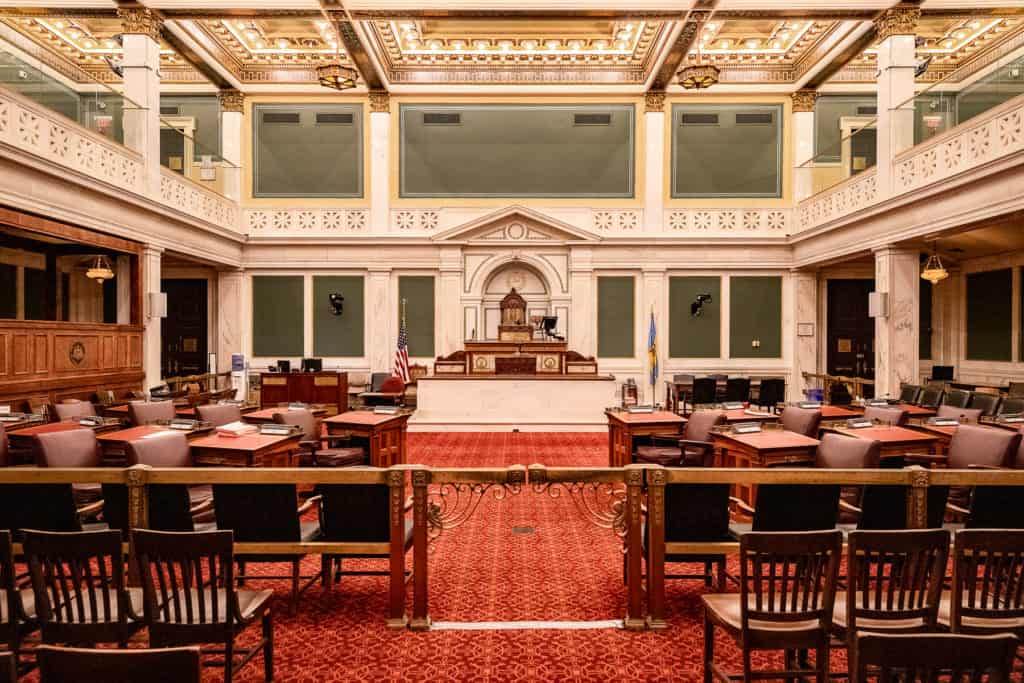
By a vote of 12-4 on December 12, 2024, City Council gave preliminary approval to legislation enabling 76 Place to move pass the first round. Councilmembers Jamie Gauthier, Rue Landau, Nicolas O’Rourke, and Jeffery Young Jr. voted against the enabling legislation. Councilmember Kendra Brooks, a staunch opponent of the arena, was absent.
The Sixers made it pass the first round with an assist from Philadelphia’s misleaders. The enabling legislation does not give the billionaires the right to construct an arena on SEPTA’s property. They will need more than the building trades unions to get the approval of SEPTA, which is teetering on the brink of a “death spiral,” and President Donald Trump’s Federal Transit Administration.
For more than two years, Philadelphia 76ers co-owner and 76 Place hype man David Adelman crowed that the Sixers’ proposal to build an arena atop SEPTA’s Jefferson Station is a win for the city. Adelman regaled sycophants on X/Twitter and sports podcasters. But the billionaire was a no-show at City Council’s hearing on their proposal. City Councilmember Cindy Bass rightly asked:
Who thought this would be a good idea? I’m suspecting that it’s the owners of the Philadelphia 76ers, none of whom felt the need to come and discuss their vision or concept with us today which is quite inappropriate and disrespectful and just really callous.
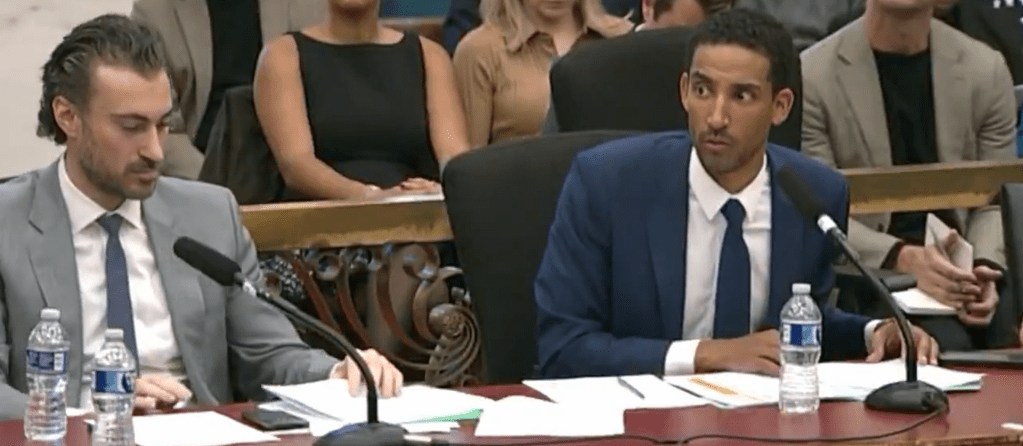
The billionaires prefer to discuss their “vision” behind closed doors. So, Adelman sent their G Team – Alex Kafenbaum, senior vice president and head of development for Harris Blitzer Sports & Entertainment (HBSE owns the Sixers), and David Gould, HSBE’s chief diversity and impact officer.
Kafenbaum and Gould should have been benched. Denise Clay-Murray of The Philadelphia Sunday SUN wrote:
To understand just how badly the first two days of hearings on the proposed arena for your 76ers went for the Parker administration and the Sixers themselves, you’d have to return to your school days.
We all have had that moment where we’re staring at a test and asking ourselves, “How am I going to pass this?” It’s a feeling that usually comes when you don’t study as much as you could have and aren’t quite as prepared as you could have been.
You knew the test was coming. It was clearly marked on the syllabus. You had plenty of time to study for it because the teacher had told you several times that it was coming. You even got a study guide with everything you needed for the test.
[…]
But the only response that Council heard more than “I don’t know” is “No,” which was uttered by Gould and Kafenbaum a lot when it came to the Community Benefits Agreement, the upgrades of SEPTA’s Jefferson Station that would be needed for this project due to the increase in traffic, and just about everything else.
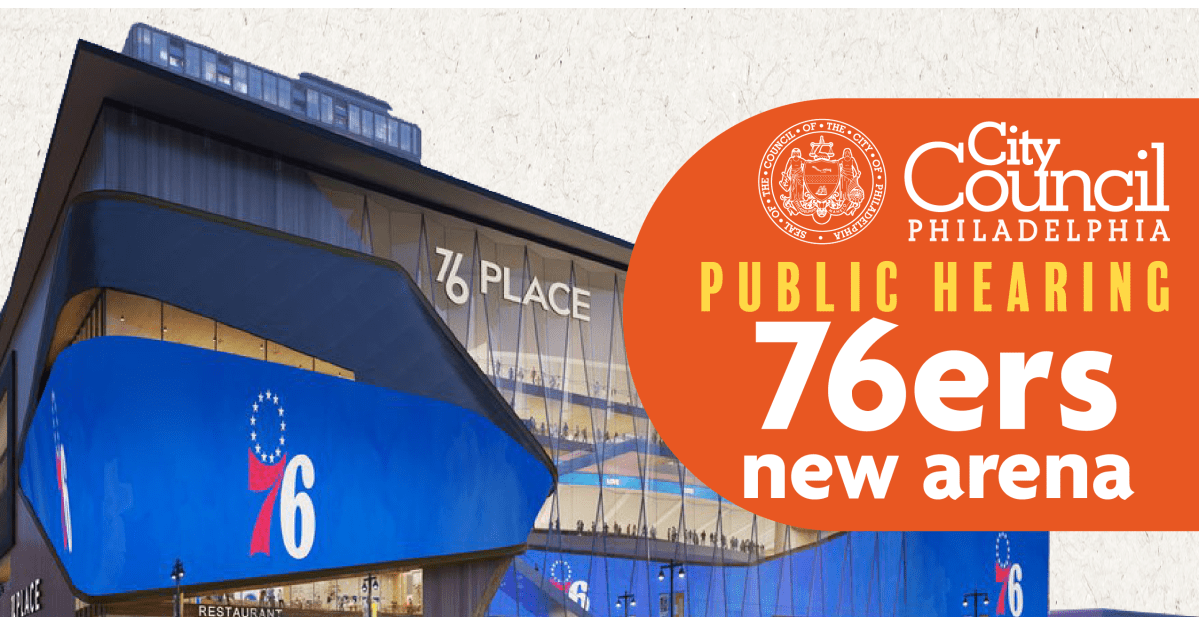
City Council has kicked off public hearings on the Philadelphia 76ers’ proposal to build an arena atop SEPTA’s regional rail Jefferson Station. Council President Kenyatta Johnson said:
Mayor Cherelle Parker’s Administration made the proposed Sixers arena legislation available to the public back in late September. Councilmember Mark Squilla, whose Council district the proposed arena would be located, introduced the 13 pieces of legislation on October 24. Councilmember Squilla has been working very hard over the past two years in addressing the concerns of his constituents.
Now that the legislation has been introduced, Council and every Council member is now going through our legislative process and I expect spirted Committee of the Whole hearings on this proposed arena. Councilmembers will have the opportunity to ask questions of officials from the Sixers, the Mayor Parker Administration, and others about the proposed arena project.
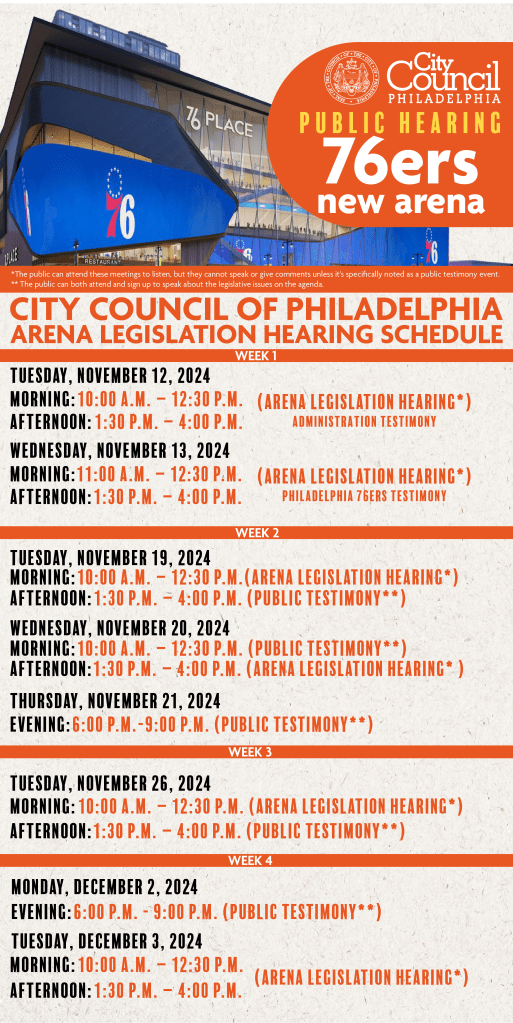
Council has launched a website to give the public up-to-date information, including the public hearing schedule.
As the first hearing was getting underway, SEPTA released a notice of public hearing on their plan to increase fares 29 percent beginning January 1, 2025. The higher fares would be “paired with major service cuts.” SEPTA Chief Operating Officer Scott Sauer said:
Today we stand with our feet on the edge of the fiscal cliff. With major service cuts and fare increases, this is the beginning of what we’ve been saying is the transit death.
…
We are managing the decline of SEPTA… Rail lines will become so infrequent that they will be useless to most of our customers.
The Sixers’ proposed arena is a public transit-oriented project anchored to a transit system on death watch. Let the 76 Place games begin.
Campaign ads have saturated the airwaves, social media, email and text messages for months. But you – the voter – will have the last word. More than half of registered voters have already cast their ballot, according to Gallup. If you have waited until Election Day, it’s time to put a vote on it.
If you experience a problem at your polling place, help is at your fingertips. Text or call 866-OUR-VOTE (866-687-8683).
AccessFest is a virtual conference hosted by Investigative Reporters & Editors. The conference will take place online, October 17-19, 2024. AccessFest “focuses on expanding IRE’s efforts to provide more accessible training centered on belonging, equity, and inclusion in the newsroom and through better news coverage of inequities in the communities journalists serve.”
With 57 sessions, AccessFest covers a wide range of topics, including:
Data journalism
Investigative reporting tips
Diversity and inclusion in newsrooms
Covering marginalized communities
As an independent journalist and watchdog, I am particularly interested in the Freelance and Open Records tracks. The full schedule is available here.
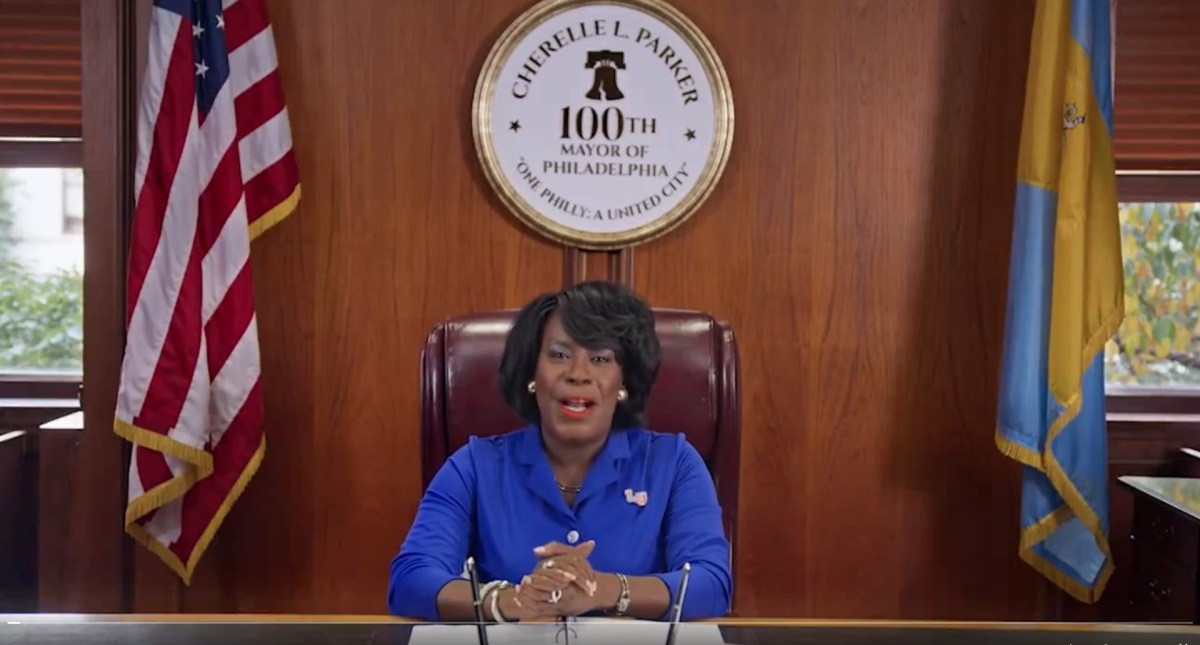
With less than 24 hours’ notice to “the People of Chinatown,” Mayor Cherelle L. Parker announced her endorsement of the Philadelphia 76ers’ proposal to build an arena that would abut against the historic neighborhood.
As your Mayor, I'm speaking from my City Hall office with a very important announcement. I am proud to share that I have made my decision, and an agreement has been reached to ensure that our Sixers are staying home.
Parker may “hear” the People of Chinatown, but she is not listening. If she were, she would know 76 Place is an existential threat to Chinatown. So, the Asian American Legal Defense and Education Fund threw down the gauntlet: See you in court!
AALDEF is disappointed that Mayor Parker took a stance in support of 76 Place arena's construction—before city council has had the opportunity to officially consider the proposal with public participation.
In the sprint to Election Day, you will be told the 2024 Election is the most consequential election since, well, the last presidential election. This election lives up to the hype. The choice is between going back or embracing hope and opportunity.
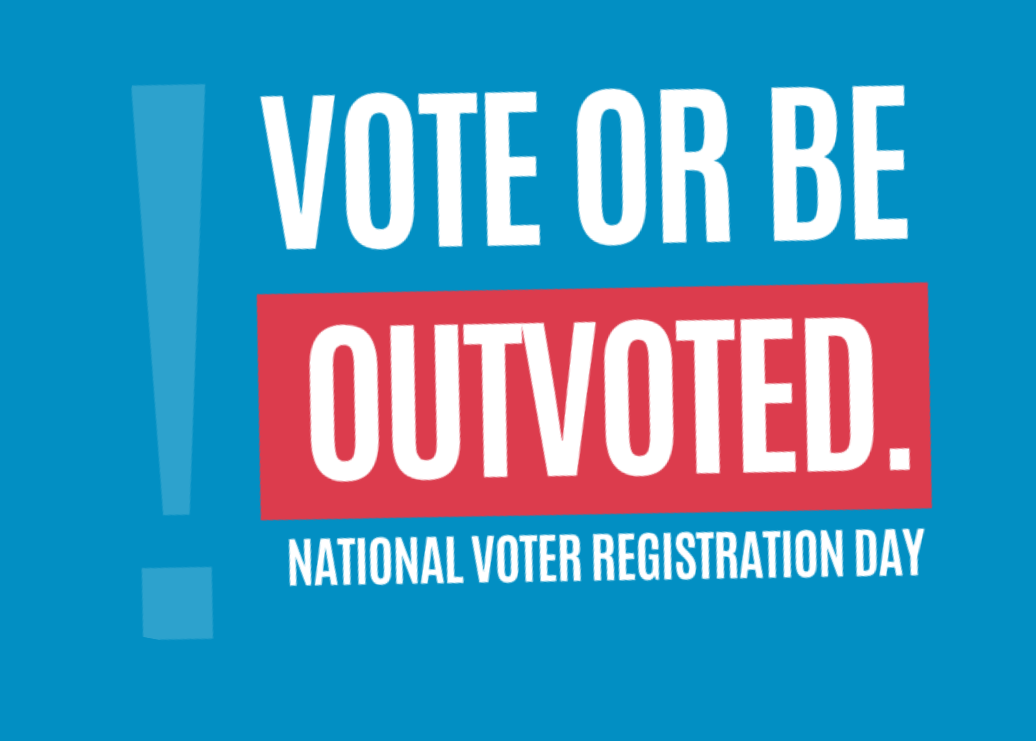
National Voter Registration Day, the country’s largest single-day voter registration drive, is September 17, 2024. Since 2012, more than five million Americans have been registered to vote on this civic holiday.
Your vote matters. If it didn’t, conservatives would not be trying every trick in the book to block access to the ballot box. You can register to vote here.
If you are already registered, confirm your status to make sure you are #VoteReady. On Election Day, be careful how you vote.
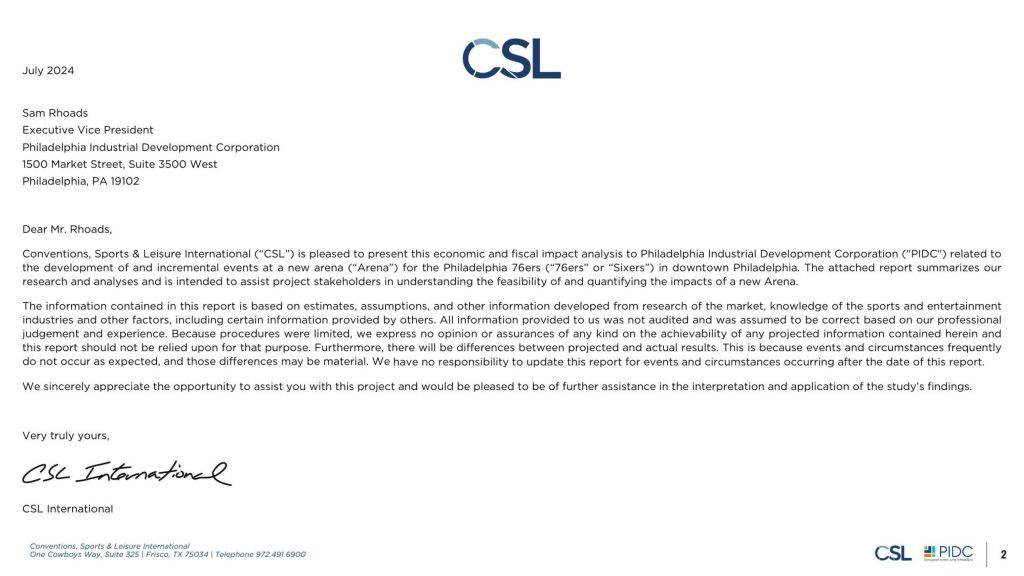
The long-awaited studies of the impact of the Philadelphia 76ers’ proposal to build an arena atop SEPTA’s Jefferson Station landed with a thud at City Hall. I am still wading through the 400 pages. This disclaimer from CSL International about the economic impact of a second arena speaks volumes about the credibility of their report.
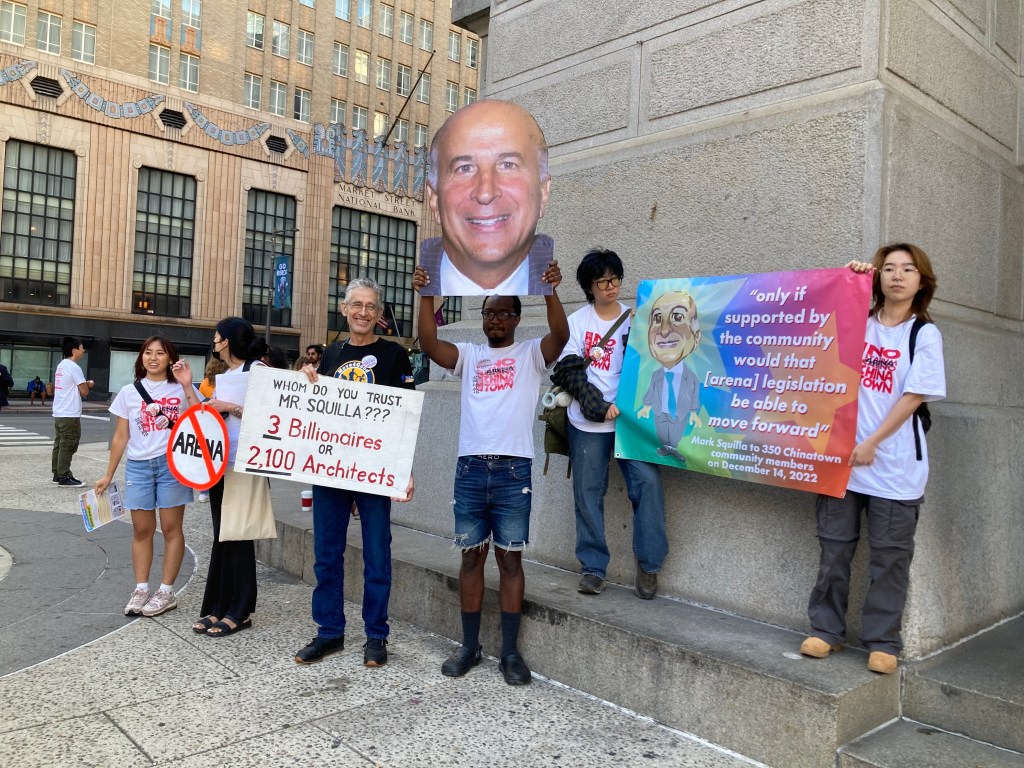
City Council will be back in session on September 5 and so will opponents of 76 Place. No Arena in Chinatown Solidarity will hold a press conference before they head up to the fourth floor of City Hall for their weekly City Council Watch.
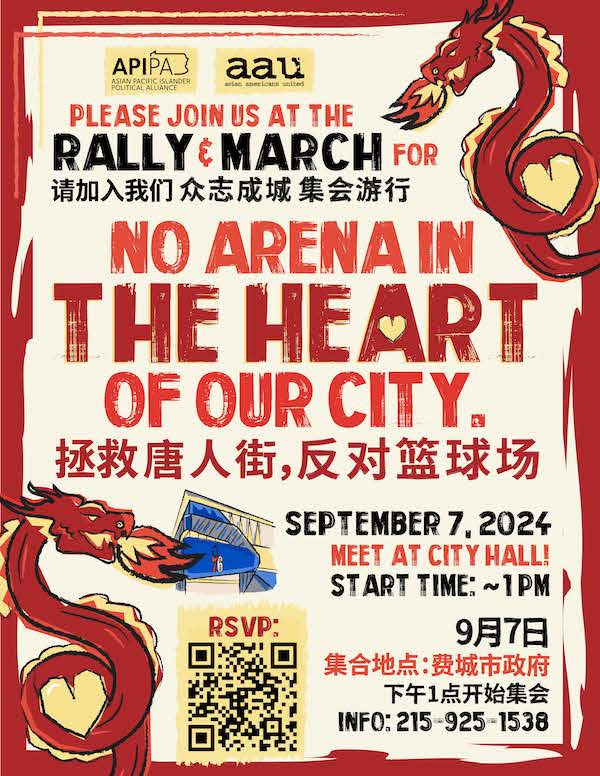
The Asian Pacific Islander Political Alliance and Asian Americans United will bring the fire on Saturday, September 7 at a rally and march. In an Instagram post, Asian Americans United wrote:
We’ll rally with voices from diverse Philly neighborhoods then march into Chinatown with the power of the people!
Chinatown, South Philly, West Philly, North Philly, Northwest and Northeast, let’s all come together and tell the developers: MOVE ON! Stop pushing the arena onto communities that don’t want it.
Teachers, doctors, nurses, small business owners, union members, people of faith, students, we all don’t want it! Philadelphia needs a government that spends its time on what the people need, not what billionaires want!
The rally and march will kick off on Saturday, September 7 at 1 p.m.
The City of Philadelphia released the long-awaited studies on the impact of the Philadelphia 76ers’ proposal to build a basketball arena in Center City today, August 26, 2024. The studies were paid for by the Sixers’ development team, 76 DevCo. The City claims the “developer had no further involvement and PIDC and the City retained all control over selection and management of the consultants.”
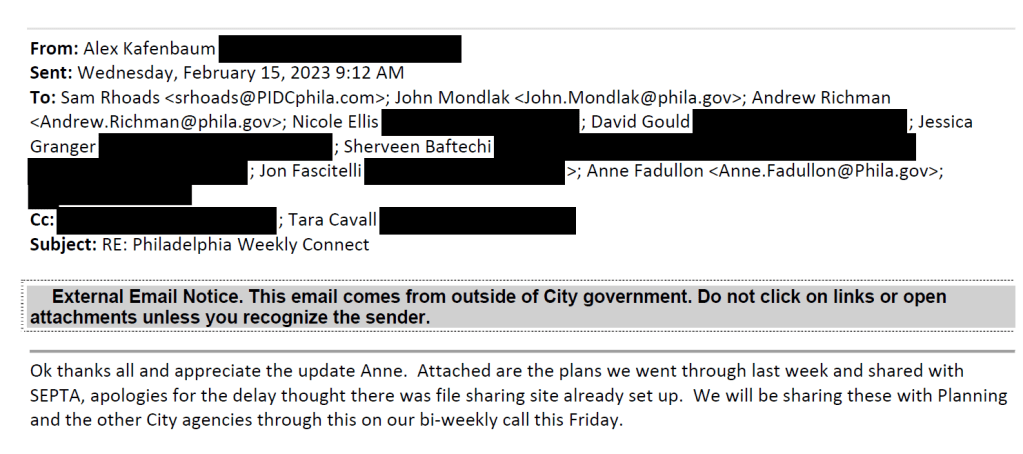
There was no need for the developer (read: 76 DevCo) to be further involved since records received in response to my Right-To-Know Law requests show 76 DevCo representatives have been in constant communication with PIDC and City officials and employees since April 2022.
While I have just begun to read the economic impact report, I have read the literature on sports facilities and their economic impact – and watched John Oliver.
Prof. John Charles Bradbury, a leading authority on the economic impact of sports venues, recently posted this image on X/Twitter.
I am a grown woman. Bradbury’s image is worth more than the 73-page “New Sixers Arena: Incremental Event Economic Impact Analysis.” The report was submitted to Sam Rhoads, executive vice president of the Philadelphia Industrial Development Corporation (PIDC). Rhoads convened weekly meetings with the developer.
The public is invited to share “constructive feedback” here. I’ll share my comments at the public hearings on the reports.
It should be noted the Sixers’ public transit-oriented project needs more than the approval of Mayor Cherelle Parker and City Council. The City of Philadelphia could green-light the project but SEPTA must approve building the arena atop Jefferson Station. My open records requests show SEPTA officials were also in constant communication with 76 DevCo representatives since April 2022. SEPTA is on board but the agency is facing a fiscal cliff and oversight by the Federal Transit Administration.





 PHL Watchdog