The President’s House.ai

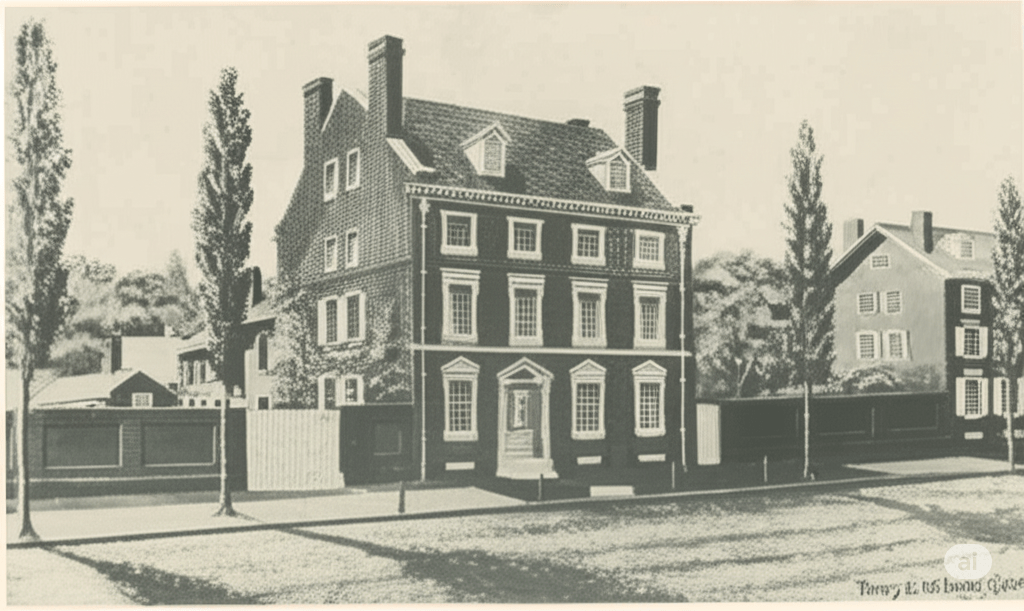
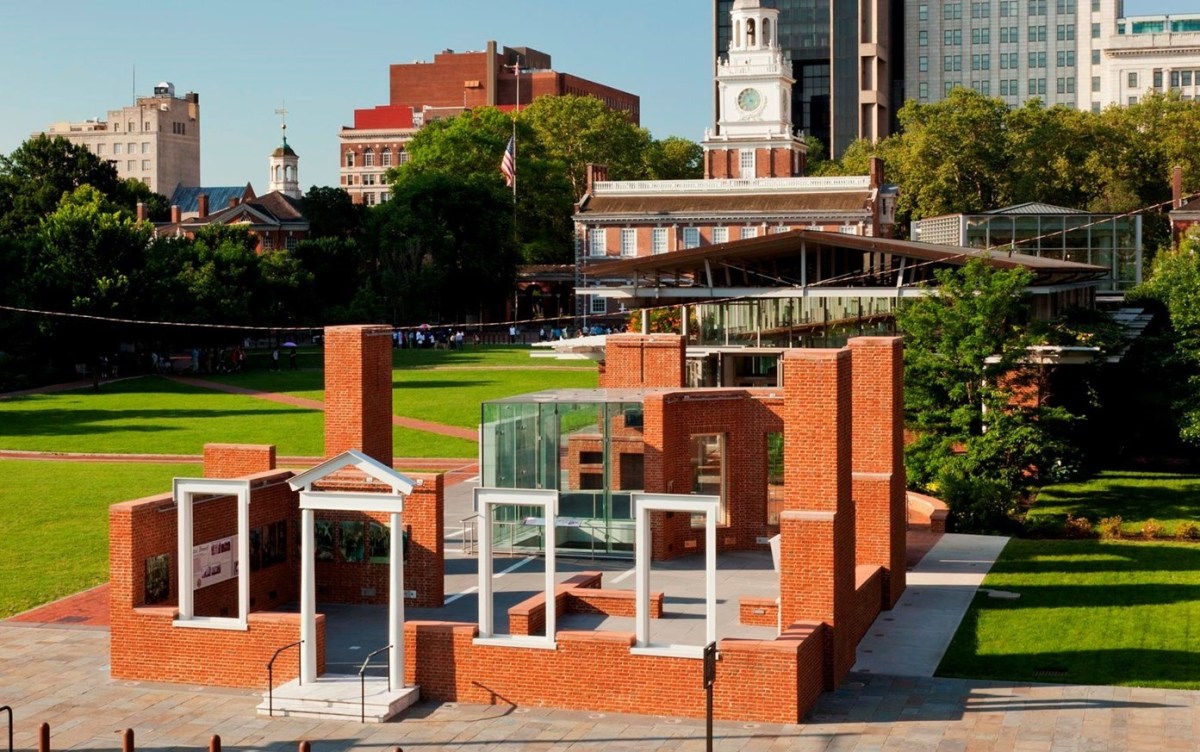
For more than 200 years, the nine enslaved people who lived in the Executive Mansion, located at 190 High (Market) Street in Philadelphia, were erased from history. This lost history was uncovered in 2002 and memorialized in the President’s House. The National Park Service site opened on December 15, 2010.

The story of slavery in the shadow of the Liberty Bell was whitewashed from the centennial, sesquicentennial and bicentennial celebrations of the signing of the Declaration of Independence.

For the Semiquincentennial, we will breathe life into President George Washington’s enslaved workers and say their names – Austin, Christopher, Giles, Hercules, Joe, Moll, Ona, Paris and Richmond – with joy.

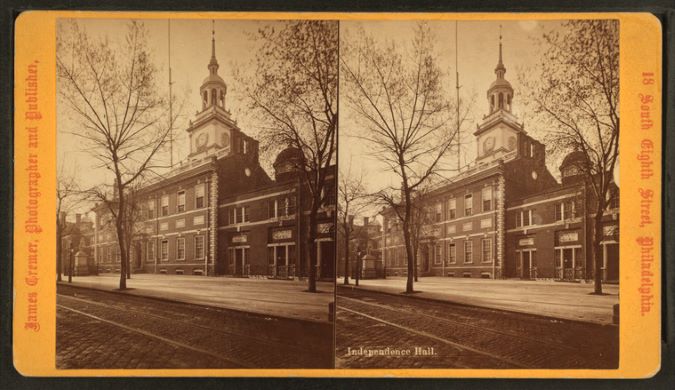
In 1926, a group of women, the Women’s Committee of the Philadelphia Sesqui-Centennial International Exposition, reconstructed Revolutionary era buildings on the fairgrounds in South Philadelphia.

The Daughters of the American Revolution sponsored the George Washington House, aka the President’s House.

The “High Street” exhibit included period-accurate reenactors. The exhibit presented an idealized view of the Revolutionary era. The existence of slavery in the Executive Mansion was left out of the history of 190 High Street.

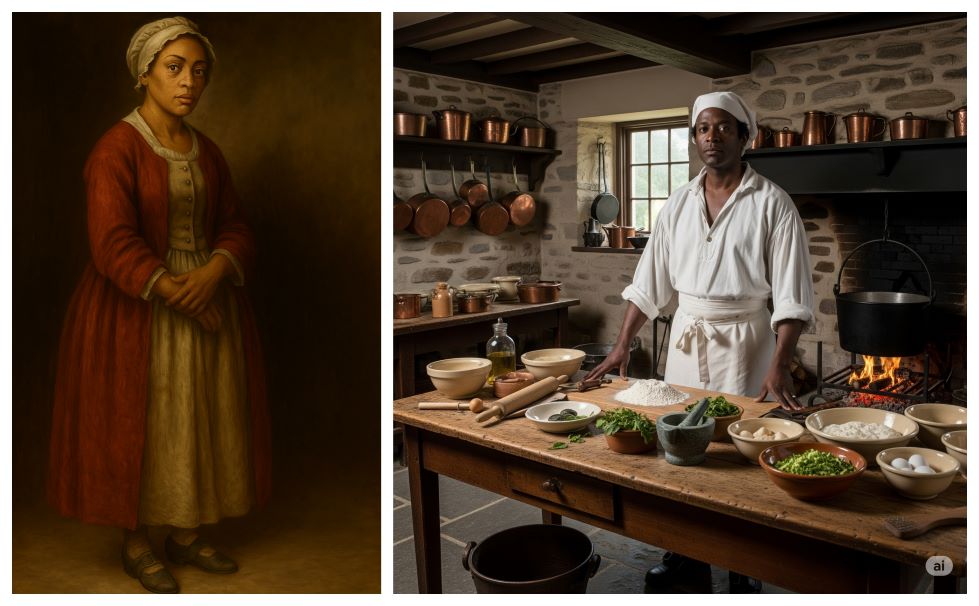
In 2026, a group of activists, architects, technologists and historians will digitally reconstruct the original President’s House and outbuildings.
Instead of reenactors, we will create period-accurate AI avatars of the nine Black people enslaved by President Washington, including his chief cook, Hercules Posey.

In his book, Recollections and Private Memoirs of the Life and Character of Washington, George Washington Parke Custis, the president’s step-grandson, gave a detailed description of an outfit that Hercules wore:

While the masters of the republic were engaged in discussing the savory viands of the Congress dinner, the chief cook retired to make his toilet for an evening promenade. His perquisites from the slops of the kitchen were from one to two hundred dollars a year. Though homely in person, he lavished the most of these large avails upon dress. In making his toilet his linen was of unexceptionable whiteness and quality, then black silk shorts, ditto waistcoat, ditto stockings, shoes highly polished, with large buckles covering a considerable part of the foot, blue cloth coat with velvet collar and bright metal buttons, a long watch-chain dangling from his fob, a cocked-hat, and gold-headed cane completed the grand costume of the celebrated dandy (for there were dandies in those days) of the president’s kitchen.

Custis recalled “the chief cook invariably passed out at the front door.”

The President’s House.ai is currently in development. For more information or to get involved, contact Project Director Faye Anderson at presidentshouseAI@gmail.com.
What Are SEPTA and City of Philadelphia Hiding?

The Philadelphia 76ers abandoned their plan to build an arena atop SEPTA’s Jefferson Station. But SEPTA is still playing games to block disclosure of communications with the Sixers’ billionaire owners and their representatives.

SEPTA lost their appeal of the Office of Open Records’ Final Determination to the Commonwealth Court of Pennsylvania. The beleaguered transit agency was directed to conduct a good faith search for records responsive to my Right-To-Know Law request for, among other things, invoices, reports, feasibility studies, traffic impact studies, architectural designs and cost estimates.

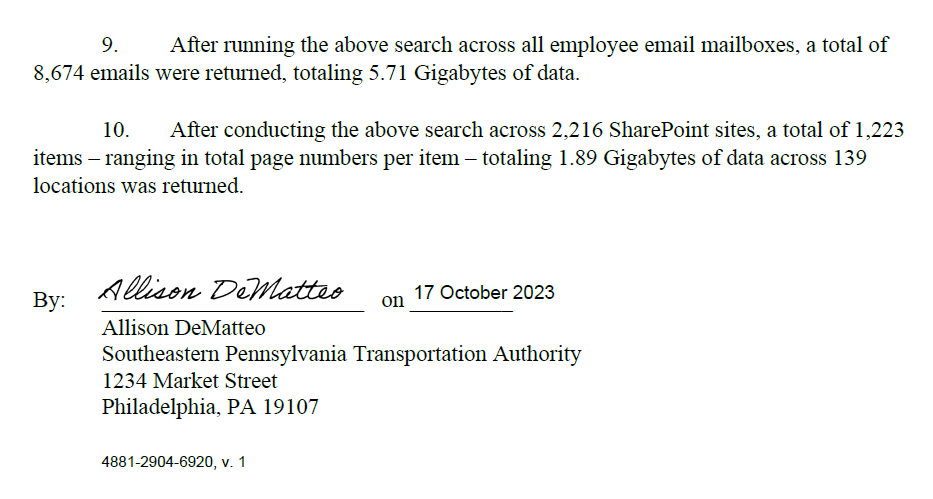
In a sworn statement, Allison DeMatteo, SEPTA’s Manager of Records and Information, claimed her search using the keywords “76 Place” and “76 Devcorp” returned 7.60 gigabytes of data, including 5.71 gigabytes of email.

According to ChatGPT, one gigabyte of email data is roughly 100,000 pages. As of this writing, SEPTA has produced 30 records.

Meanwhile, the City of Philadelphia has petitioned the OOR to reconsider its final determination, dated May 30, 2025. The OOR should tell the City: We said what we said. “[T]he appeal is granted in part and denied in part, and the City is required to provide unredacted responsive records, as designated in this Final Determination, to the Requester within thirty days.”

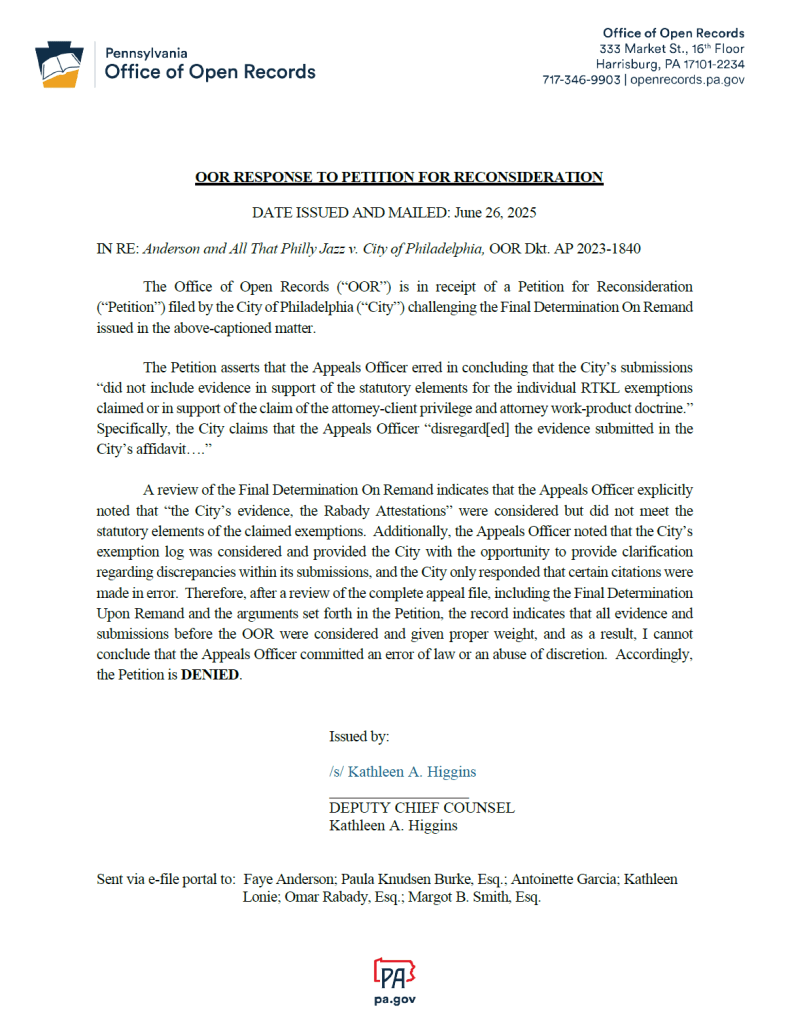
UPDATE: Office of Open Records Deputy Chief Counsel Kathleen A. Higgins to the City of Philadelphia: The Petition is DENIED:

Therefore, after a review of the complete appeal file, including the Final Determination Upon Remand and the arguments set forth in the Petition, the record indicates that all evidence and submissions before the OOR were considered and given proper weight, and as a result, I cannot conclude that the Appeals Officer committed an error of law or an abuse of discretion. Accordingly, the Petition is DENIED.

In other words, the City of Philadelphia got to give it up.

April Fool: 76 Place is ‘More than an Arena’

As the proverb goes, fool me once, shame on you; fool me twice, shame on me. Truth be told, few have been fooled by the Philadelphia 76ers’claim that their proposal to build a basketball arena atop SEPTA’s Jefferson Station is “more than an arena.”

The 76 Place development team’s X/Twitter timeline is a stream of jackleg preachers and numbers plucked out of thin air.

I asked Microsoft’s chatbot how many construction workers were involved with One World Trade Center:

During the construction of One World Trade Center, more than 10,000 workers were involved in building this iconic complex in Lower Manhattan, New York City. The scale of this project required careful coordination, and at any given time, there could be as many as 1,100 workers on-site. These dedicated individuals worked tirelessly to create a symbol of resilience and hope, and their efforts culminated in the completion of the 94-story tower that now stands as the tallest building in the Western Hemisphere.

I gave the same prompt to ChatGPT:

One World Trade Center, also known as the Freedom Tower, was constructed by thousands of construction workers over several years. The exact number of workers involved in the construction process can vary depending on the source, the phase of construction, and the specific tasks being carried out. However, it’s estimated that at its peak, there were approximately 3,500 workers on-site daily during the construction of One World Trade Center. This number includes various trades such as ironworkers, electricians, plumbers, carpenters, and many others who contributed to the building’s construction.

I pity the fool who thinks that building a big box arena on Market Street would create “12,200 construction-related jobs.”

Philadelphia Sheriff Bilal Misfires

I shot the sheriff. But I didn’t shoot the deputy (h/t Bob Marley). You won’t read about it in the Philadelphia Inquirer or any news outlets because it didn’t happen. Nor will you read about Philadelphia Sheriff Rochelle Bilal’s “record of accomplishment during her time in office.” The Inquirer reported:

Her first term in office has been bumpy, to put it mildly, as she has dealt with everything from whistle-blower lawsuits to a broken tax-sale system.

But Bilal has been telling a different story on her campaign website. It features dozens of favorable headlines attributed to local news organizations such as NBC10, CBS3, WHYY, and The Inquirer, all listing the dates of publication.

“This page,” the site proclaims, “highlights Sheriff Bilal’s record of accomplishment during her time in office.”

One snag: No one can seem to find any of the supposed news stories

For an office plagued by corruption and shady deals, spreading fake news and wasting taxpayers’ money on Deputy Sheriff Justice are “accomplishments.”

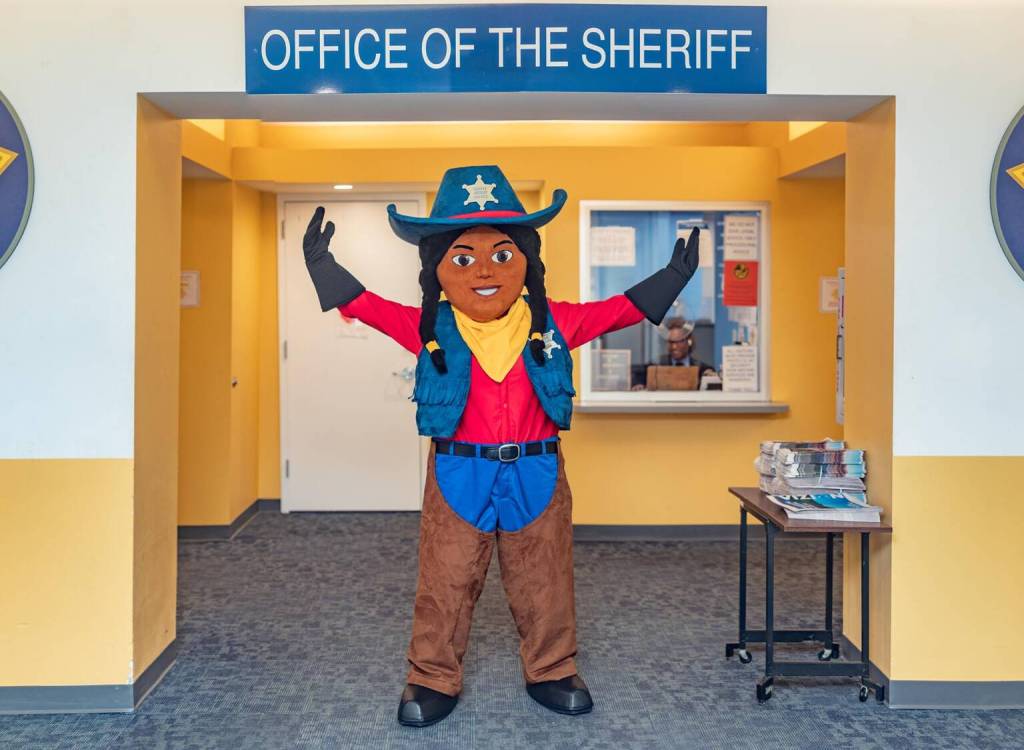
The Sheriff’s mascot gives new meaning to no justice (read: transparency and accountability), no peace from investigative journalists.

UPDATE: Philadelphia Sheriff Rochelle Bilal wasn’t tripping; ChatGPT was hallucinating. The Associated Press reports:

Sheriff Rochelle Bilal’s campaign removed more than 30 stories created by a consultant using the generative AI chatbot. The move came after a Philadelphia Inquirer story on Monday reported that local news outlets could not find the stories in their archives.

Experts say this type of misinformation can erode the public trust and threaten democracy. Bilal’s campaign said the stories were based on real events.

“Our campaign provided the outside consultant talking points which were then provided to the AI service,” the campaign said in a statement. “It is now clear that the artificial intelligence service generated fake news articles to support the initiatives that were part of the AI prompt.”

Read more.