As the descendant of enslaved people, I mourn the Fourth of July.
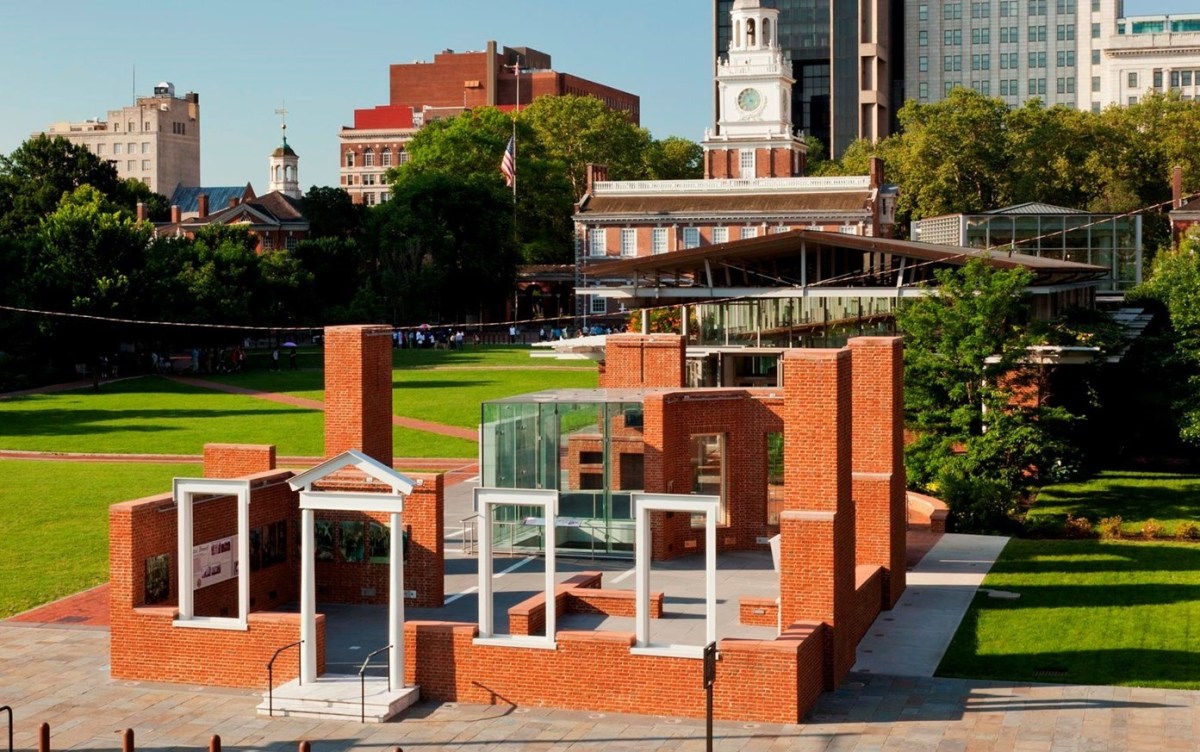
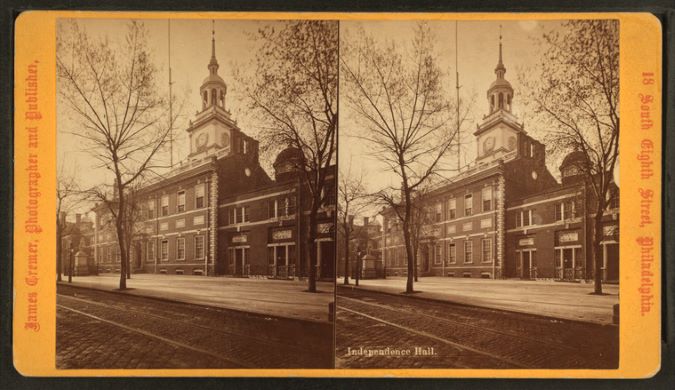
However, Independence Hall has a prominent place in Black history.
Independence Hall is the place where the Second Continental Congress unanimously adopted the Declaration of Independence; 34 of the 56 signers, including Thomas Jefferson, enslaved Black people.
Independence Hall is the place where the U.S. Constitution, which counted enslaved people as three-fifths of a person and mandated that freedom seekers be returned to bondage, was signed.
Independence Hall is the place where, from 1850 to 1854, hearings were held to return the self-emancipated to slavery under the Fugitive Slave Act of 1850.
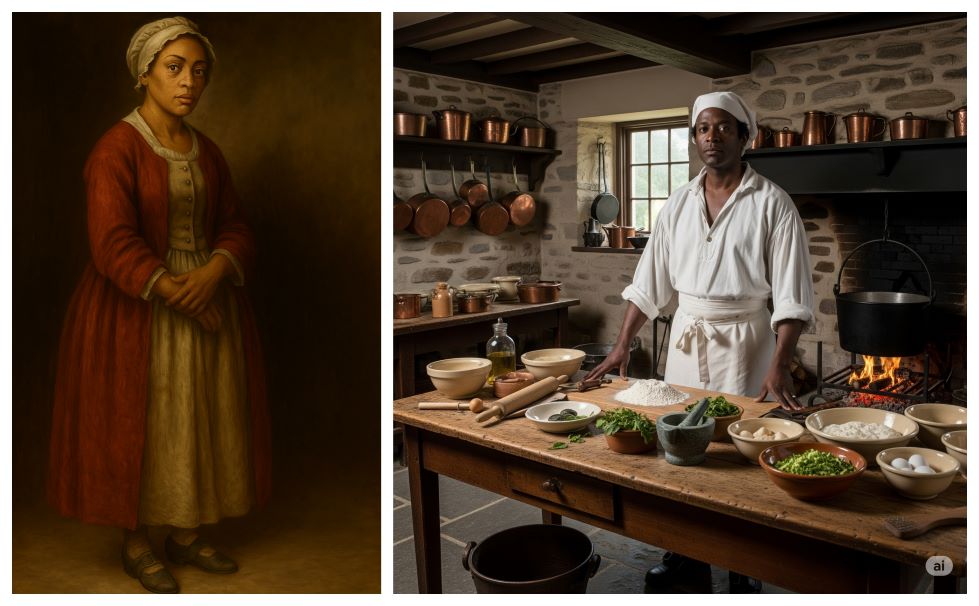
Independence Hall is the place where master silhouette artist Moses Williams worked “every day and evening.”
I have nominated Moses for a Pennsylvania historical marker. If the nomination is approved, the marker will be installed near Independence Hall in 2026.
For updates on Moses Williams’ nomination and walking tour, send your name and email address to phillyjazzapp@gmail.com.
Memorial Day is a time to remember and honor military personnel who paid the ultimate sacrifice to protect the nation’s freedoms and democratic ideals.
The DEI – Didn’t Earn It – crowd that’s attacking diversity, equity and inclusion likely doesn’t know the origin of Memorial Day. Originally called Decoration Day, Memorial Day was first observed on May 1, 1865 in Charleston, South Carolina.
Thousands of African Americans, including formerly enslaved, the 54th Massachusetts Infantry Regiment, and the 34th and 104th United States Colored Troops, were led by children as they gathered to honor 257 Union soldiers who were buried in a mass grave behind the grandstand of the city’s Washington Race Course. The ancestors exhumed the mass grave, reburied the bodies and decorated their graves; hence, Decoration Day.
Check out the history of Memorial Day that President Trump wants to erase.
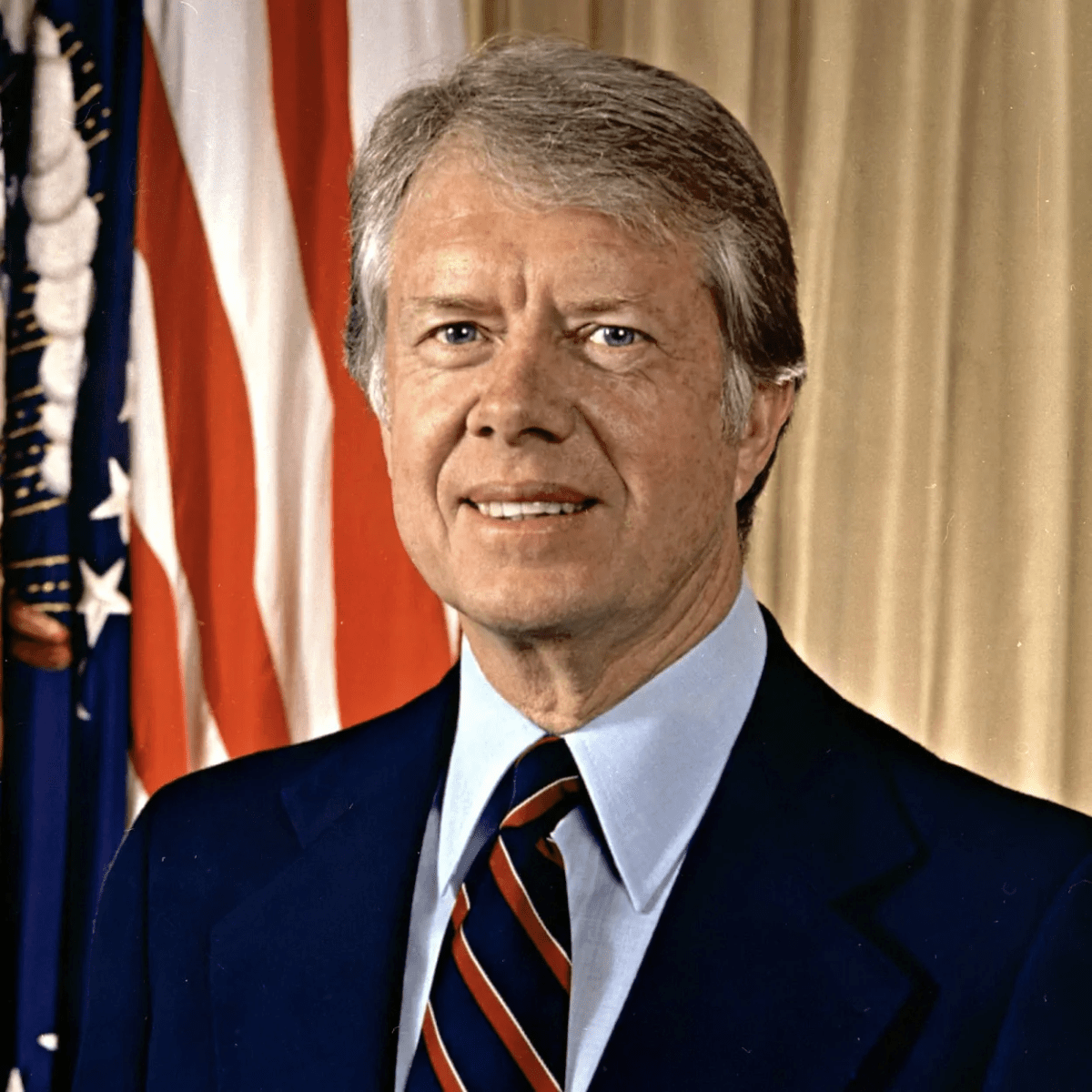
Jimmy Carter has joined the ancestors at age 100. Former President Carter was a humanitarian, and a tireless champion for democracy and human rights. The late president will be honored with a state funeral at Washington National Cathedral.
I do further appoint January 9, 2025, as a National Day of Mourning throughout the United States. I call on the American people to assemble on that day in their respective places of worship, there to pay homage to the memory of President James Earl Carter, Jr. I invite the people of the world who share our grief to join us in this solemn observance.
Along with former First Lady Rosalynn Carter, President Carter co-founded The Carter Center. The Democracy Program was a pioneer in election observation. The Carter Center established the criteria for free and fair elections, and paved the way for ordinary citizens to get involved in the global democracy movement. I observed elections in Ethiopia and Nigeria, and led voter education workshops in Angola and Kazakhstan.
It is widely known that President Carter hosted the first Black Music Month celebration at the White House.
Less well known is that a year earlier on June 18, 1978, President Carter held the first White House concert devoted to jazz to commemorate the 25th anniversary of the Newport Jazz Festival. Performers included Pearl Bailey, Louis Bellson, George Benson, Eubie Blake, Ron Carter, Ornette Coleman, Roy Eldrige, Stan Getz, Dexter Gordon, Lionel Hampton, Herbie Hancock, Max Roach, Zoot Sims, McCoy Tyner and Mary Lou Williams.
President Carter provided the vocals on Dizzy Gillespie’s “Salt Peanuts.”
As noted in his remarks, President Carter’s appreciation of jazz dates back to his early youth:
I began listening to jazz when I was quite young—on the radio, listening to performances broadcast from New Orleans. And later when I was a young officer in the navy, in the early ’40s, I would go to Greenwich Village to listen to the jazz performers who came there. And with my wife later on, we’d go down to New Orleans and listen to individual performances on Sunday afternoon on Royal Street, sit in on the jam sessions that lasted for hours and hours.
[…]
Twenty-five years ago, the first Newport Jazz Festival was held. So this is a celebration of an anniversary and a recognition of what it meant to bring together such a wide diversity of performers and different elements of jazz in its broader definition that collectively is even a much more profound accomplishment than the superb musicians and the individual types of jazz standing alone.
And it’s with a great deal of pleasure that I—as president of the United States—welcome tonight superb representatives of this music form. Having performers here who represent the history of music throughout this century, some quite old in years, still young at heart, others newcomers to jazz who have brought an increasing dynamism to it, and a constantly evolving, striving for perfection as the new elements of jazz are explored.
The concert was broadcast live on a special edition of NPR’s Jazz Alive! hosted by Billy Taylor.
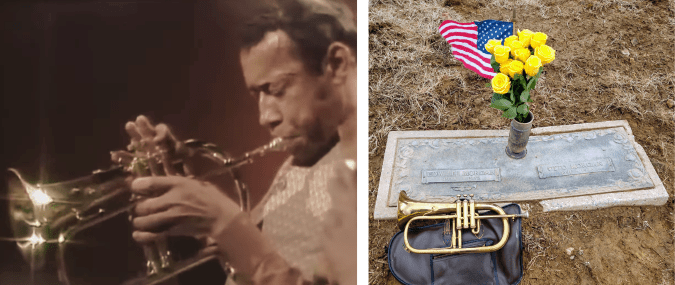
This has been a banner year for Lee Morgan. From listing of “The Sidewinder” in the National Recording Registry, dedication of his historical marker, publication of my essay about his masterpiece by the Library of Congress, and federal, state and city citations, Lee is finally getting the recognition he deserves. There are more accolades to come in 2025.
The only discordant note was the resurfacing of misinformation. The Philadelphia Inquirer published a false claim that Lee Morgan’s gravesite had “vanished.”
The reporter did not interview Lee’s family. If he had, they would have told him about White Chapel Memorial Park’s troubling history. If he had bothered to read the Google Reviews, he would know that poor maintenance of the grounds is an ongoing problem. The story wasn’t just rehashed fake news. It was a missed opportunity to shed light on the broader issue of accountability that impacts families whose loved ones are interred at White Chapel.
Putting aside the news article for now, Lee Morgan’s gravestone is in disrepair and fading. Please make a donation to preserve this endangered cultural resource. Donations will fund the restoration of Lee’s gravestone and the installation of a memorial bench, complete with a QR code linking to a digital tribute wall where donors can leave text, audio, or video tributes.
Lee Morgan was not just a jazz innovator; he was an advocate for racial justice. Now, it’s up to us to do him justice. Together, we can turn Lee’s gravesite into a place of reflection and inspiration.
City Council has kicked off public hearings on the Philadelphia 76ers’ proposal to build an arena atop SEPTA’s regional rail Jefferson Station. Council President Kenyatta Johnson said:
Mayor Cherelle Parker’s Administration made the proposed Sixers arena legislation available to the public back in late September. Councilmember Mark Squilla, whose Council district the proposed arena would be located, introduced the 13 pieces of legislation on October 24. Councilmember Squilla has been working very hard over the past two years in addressing the concerns of his constituents.
Now that the legislation has been introduced, Council and every Council member is now going through our legislative process and I expect spirted Committee of the Whole hearings on this proposed arena. Councilmembers will have the opportunity to ask questions of officials from the Sixers, the Mayor Parker Administration, and others about the proposed arena project.
Council has launched a website to give the public up-to-date information, including the public hearing schedule.
As the first hearing was getting underway, SEPTA released a notice of public hearing on their plan to increase fares 29 percent beginning January 1, 2025. The higher fares would be “paired with major service cuts.” SEPTA Chief Operating Officer Scott Sauer said:
Today we stand with our feet on the edge of the fiscal cliff. With major service cuts and fare increases, this is the beginning of what we’ve been saying is the transit death.
…
We are managing the decline of SEPTA… Rail lines will become so infrequent that they will be useless to most of our customers.
The Sixers’ proposed arena is a public transit-oriented project anchored to a transit system on death watch. Let the 76 Place games begin.
Campaign ads have saturated the airwaves, social media, email and text messages for months. But you – the voter – will have the last word. More than half of registered voters have already cast their ballot, according to Gallup. If you have waited until Election Day, it’s time to put a vote on it.
If you experience a problem at your polling place, help is at your fingertips. Text or call 866-OUR-VOTE (866-687-8683).
As a long-time voting rights advocate, it was a joy to drop off my mail-in ballot at the City Commissioners satellite election office on Saturday during a pop-up party organized by Joy to the Polls.
The satellite office is in the former Fays Theatre, a storied venue where jazz greats, including Duke Ellington, performed. City officials likely don’t know the history of the building.
The party will continue on Tuesday, October 29 with Party to the Polls Purple Tour in City Hall Courtyard. The get-out-the-vote event is presented by Daybreaker. There will be yoga, breakfast and pole dancers, as well as Bill Nye, the Science Guy, and KJ Martin of the Philadelphia 76ers.
Voters can drop off their ballot at the official drop box or vote on a voting machine in City Hall, Room 140.
From now until Election Day, voters will “form a big strong line” at polling places around the country. In battleground states, they will be dancing in the street in Philadelphia, PA and the Motor City.
We are in the final stretch of the 2024 presidential election. Early voting is underway in some states. As of October 20, 2024, 4,522,275 in-person early votes have been cast nationwide, according to the Early Voter Tracker. The in-person early vote total in battleground states:
Arizona: 370,443
Georgia: 1,377,363
Michigan: 1,018,161
Nevada: 15,857
North Carolina: 952,389
Pennsylvania: 787,900
Wisconsin: 305,344
With the polls neck and neck, every vote matters. Remember, polls don’t count. It’s the people—you—who decide the outcome. So, make a plan to vote.
In the sprint to Election Day, you will be told the 2024 Election is the most consequential election since, well, the last presidential election. This election lives up to the hype. The choice is between going back or embracing hope and opportunity.
National Voter Registration Day, the country’s largest single-day voter registration drive, is September 17, 2024. Since 2012, more than five million Americans have been registered to vote on this civic holiday.
Your vote matters. If it didn’t, conservatives would not be trying every trick in the book to block access to the ballot box. You can register to vote here.
If you are already registered, confirm your status to make sure you are #VoteReady. On Election Day, be careful how you vote.