Master silhouette artist Moses Wlliams passed away on December 13, 1830. Born into slavery in August 1776, Moses lived in the shadow of his enslaver, Charles Willson Peale. Moses grew up in the same household with Peale’s children, but he was denied the opportunity to learn the fine art of painting that was afforded his enslaver’s children.
Moses made a way out of no way. He excelled as a silhouette artist and earned a place in history. Moses’ Pennsylvania historical marker will be dedicated in 2026, the 250th anniversary of his birth.
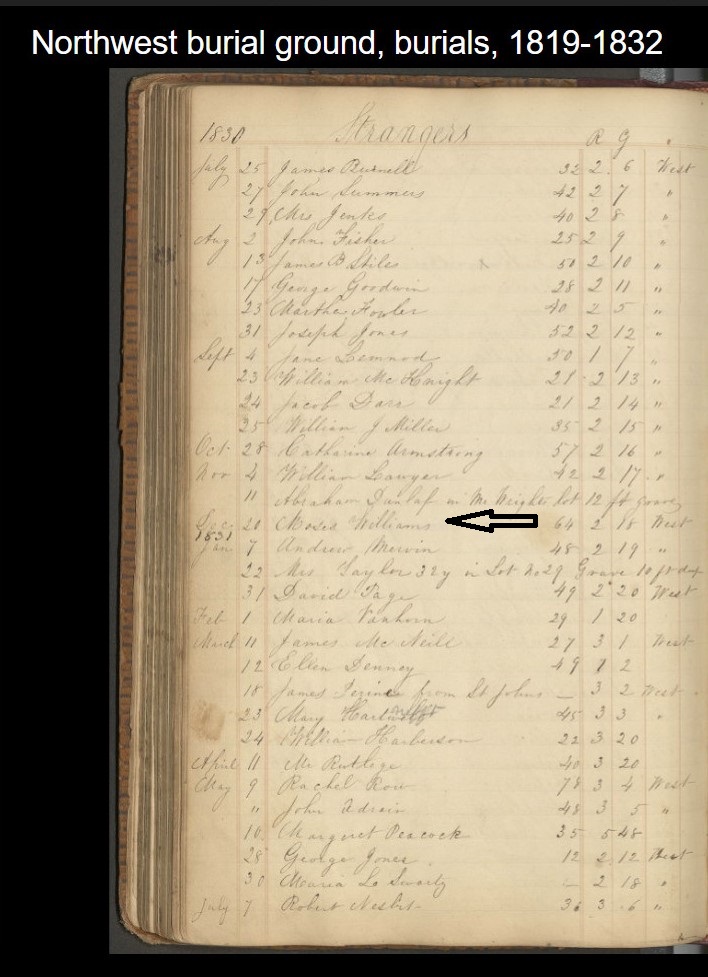
Moses was interred at Northwest Burial Ground on December 20, 1830. Sometime between 1853 and 1868, the burial ground was sold, the bodies disinterred, and a church constructed on the site. Some of the remains were removed to Section 203 at Mount Moriah Cemetery in 1868 under a monument that reads: “Sacred to the memory of the dead whose remains were removed from the 16th and Coates St. Cemetery of St. Georges M. E. Church Philadelphia to this place in the year 1868.”
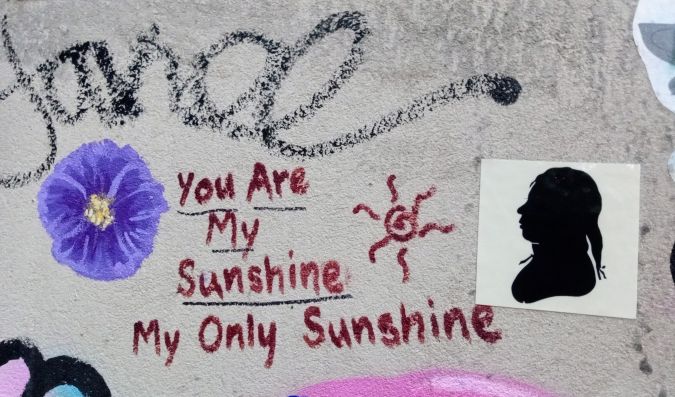
Mount Moriah has no record that Moses’ remains were among those reinterred in Section 203. In the absence of a final resting place, All That Philly Jazz Director Faye Anderson plastered the only known image of Moses in Freeman Alley, a graffitied place of remembrance in New York City.
Pasting over others’ stickers is part of the culture of Freeman Alley.
When Moses Williams’ historical marker is unveiled in 2026, he will have a permanent place in public memory.
The dedication ceremony is open to the public. If you are interested in attending, send your name and email address to phillyjazzapp@gmail.com.
As the descendant of enslaved people, I mourn the Fourth of July.
However, Independence Hall has a prominent place in Black history.
Independence Hall is the place where the Second Continental Congress unanimously adopted the Declaration of Independence; 34 of the 56 signers, including Thomas Jefferson, enslaved Black people.
Independence Hall is the place where the U.S. Constitution, which counted enslaved people as three-fifths of a person and mandated that freedom seekers be returned to bondage, was signed.
Independence Hall is the place where, from 1850 to 1854, hearings were held to return the self-emancipated to slavery under the Fugitive Slave Act of 1850.
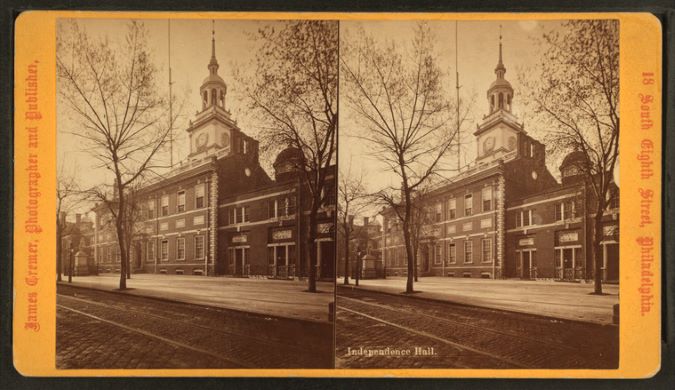
Independence Hall is the place where master silhouette artist Moses Williams worked “every day and evening.”
I have nominated Moses for a Pennsylvania historical marker. If the nomination is approved, the marker will be installed near Independence Hall in 2026.
For updates on Moses Williams’ nomination and walking tour, send your name and email address to phillyjazzapp@gmail.com.
It’s Sunshine Week but there’s nothing but clouds in Washington, where President Trump and Elon Musk are spreading chaos and sowing fear. Musk’s Department of Government Efficiency has illegally fired tens of thousands of federal employees, including 1,000 National Park Service workers.
Judge William Alsup ordered the immediate reinstatement of unlawfully terminated employees:
It is a sad day when our government would fire some good employee and say it was based on performance when they know good and well that is a lie.
A group of NPS rangers is fighting back. The Resistance Rangers said in a statement:
Resistance Rangers will not see this ruling as a win until illegally terminated employees from all agencies outlined in the court’s rulings are reinstated in their roles, with back pay and their records cleared. As Judge Alsup noted, it is critical that these employees have the false accusation of “poor performance” removed from their records.
The unlawful terminations impact more than NPS rangers who work at national parks. Park rangers are stewards of national monuments and historic sites, including the African Burial Ground, Statute of Liberty, Lincoln Memorial, Martin Luther King Jr. Memorial, the President’s House, Independence Hall and the Portrait Gallery in the Second Bank.
The Portrait Gallery is one of the few places where the story of Moses Williams is in public memory. I have nominated Williams for a Pennsylvania historical marker.
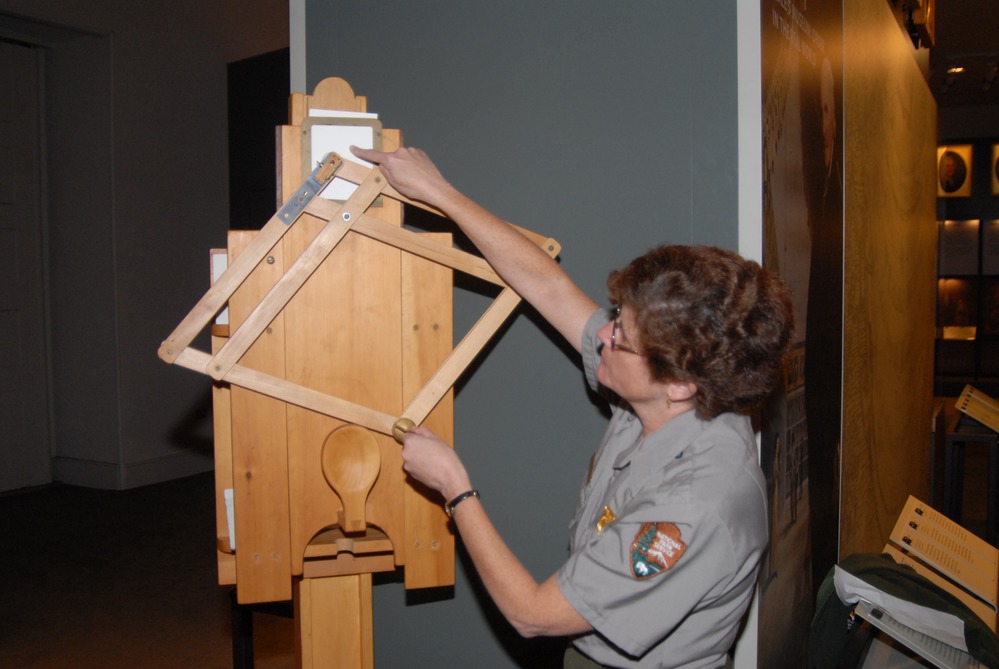
Enslaved by “Artist of the Revolution” Charles Willson Peale, Williams was a master silhouette artist who operated a physiognotrace (face tracing machine) at Peale’s Museum which was located in the building now known as Independence Hall.
A NPS ranger demonstrates the physiognotrace at the Portrait Gallery.
I will submit a Freedom of Information Act request to the Department of the Interior for records related to the unlawful termination of Independence National Historic Park workers, the President’s House, Independence Hall, and the Portrait Gallery in the Second Bank.
The Association for the Study of African American Life and History has proclaimed African Americans and Labor as the theme for this year’s celebration of Black History Month:
The 2025 Black History Month theme, African Americans and Labor, focuses on the various and profound ways that work and working of all kinds – free and unfree, skilled, and unskilled, vocational and voluntary – intersect with the collective experiences of Black people. Indeed, work is at the very center of much of Black history and culture. Be it the traditional agricultural labor of enslaved Africans that fed Low Country colonies, debates among Black educators on the importance of vocational training, self-help strategies and entrepreneurship in Black communities, or organized labor’s role in fighting both economic and social injustice, Black people’s work has been transformational throughout the U.S., Africa, and the Diaspora. The 2025 Black History Month theme, “African Americans and Labor,” sets out to highlight and celebrate the potent impact of this work.
I am celebrating the work of Moses Williams who was born into slavery in Philadelphia in August 1776.
Enslaved by Charles Willson Peale, Williams was a factotum at Peale’s Museum. He participated in the first paleontological expedition in the early republic. As a skilled taxidermist, Williams was instrumental in the reconstruction of Peale’s excavated mastodon.
Manumitted in 1802, Williams operated a physiognotrace (face-tracing) machine “every day and evening” at Peale’s Museum.
Working in anonymity, Williams became a master silhouette artist and contributed to the success of Peale’s Museum. In Black Out: Silhouettes Then and Now, Asma Naeem observed:
Williams defied racial strictures by using his [hands] to make the portraits of hundreds of thousands of white individuals. The sight of Williams operating the physiognotrace at the Peale Museum on a daily basis, year after year, offered a consistent, if somewhat tepid, rebuke to the proslavery discourse of suppression and forcible restraining of black people – in effect, an undoing of the chained hands of the African in Josiah Wedgwood’s “Am I not a man and a brother?”… In no uncertain terms, Williams became less disenfranchised with the commercial viability of silhouettes, changing his position from being enslaved to buying his own home and marrying the white Peale family cook. … [Williams was] able to enjoy a success inextricably tied to the rising status of the silhouette as a domestic commodity and popular mode of representation.
Williams is the subject of countless scholarly articles. His silhouettes are on view at, among other places, Philadelphia Museum of Art, Portrait Gallery in the Second Bank of the United States, The Peale Museum, Yale University Art Gallery, and Thomas Jefferson’s Library at Monticello.
Williams was born one month after the signing of the Declaration of Independence. He was enslaved by “The Artist of the Revolution” Charles Willson Peale who, as a member of the Pennsylvania General Assembly, voted for the Gradual Abolition of Slavery Act of 1780.
Williams was the nation’s first Black museum professional. While working on the second floor of the building now known as Independence Hall, he excelled as a “cutter of profiles” and earned a place in history.
To recognize his impact on the Revolutionary era’s visual culture, I have nominated Moses Williams for a Pennsylvania historical marker. If the nomination is approved, Williams’ marker will be dedicated in 2026, which is the 250th anniversary of both Williams’ birth and the founding of the nation.
Moses Williams will not be celebrated by President Trump’s Task Force 250, but we the people will say his name.
In the meantime, I will investigate what happened to Williams’ remains.
Williams joined the ancestors on December 18, 1830. He was interred at Northwest Burial Ground on December 20, 1830.
Northwest Burial Ground was located in North Philadelphia. Between 1860 and 1875, the burial ground closed, the bodies disinterred, and the land developed for a church. So where was Williams reinterred? Is his gravesite marked?
For updates, send your name and email address to phillyjazzapp@gmail.com.






 PHL Watchdog