President Trump likely has not read George Orwell who warned us: “Who controls the past controls the future. Who controls the present controls the past.” Trump wants to control the American narrative. So on his directive, the National Park Service is acting like it’s 1984.
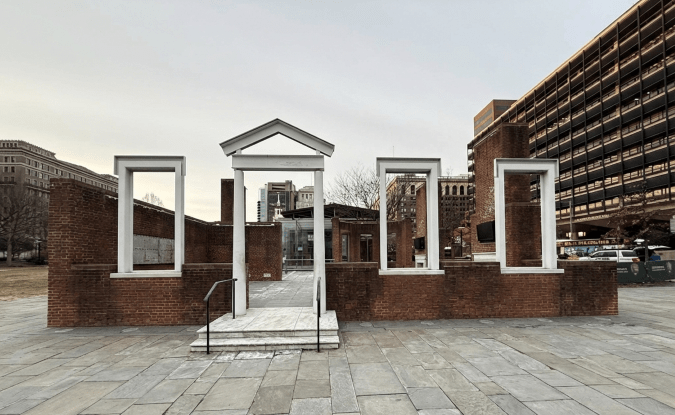
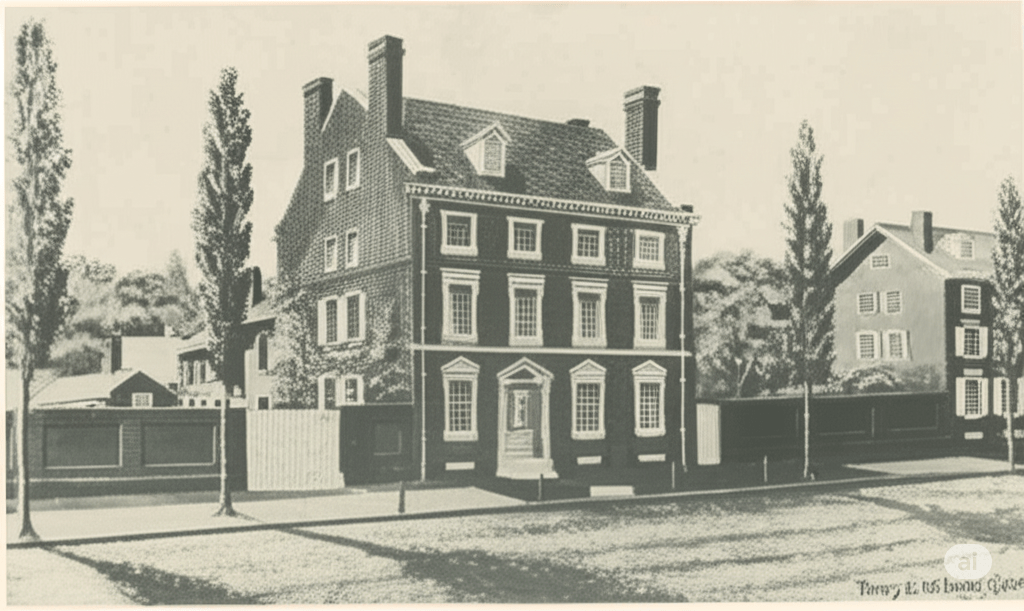
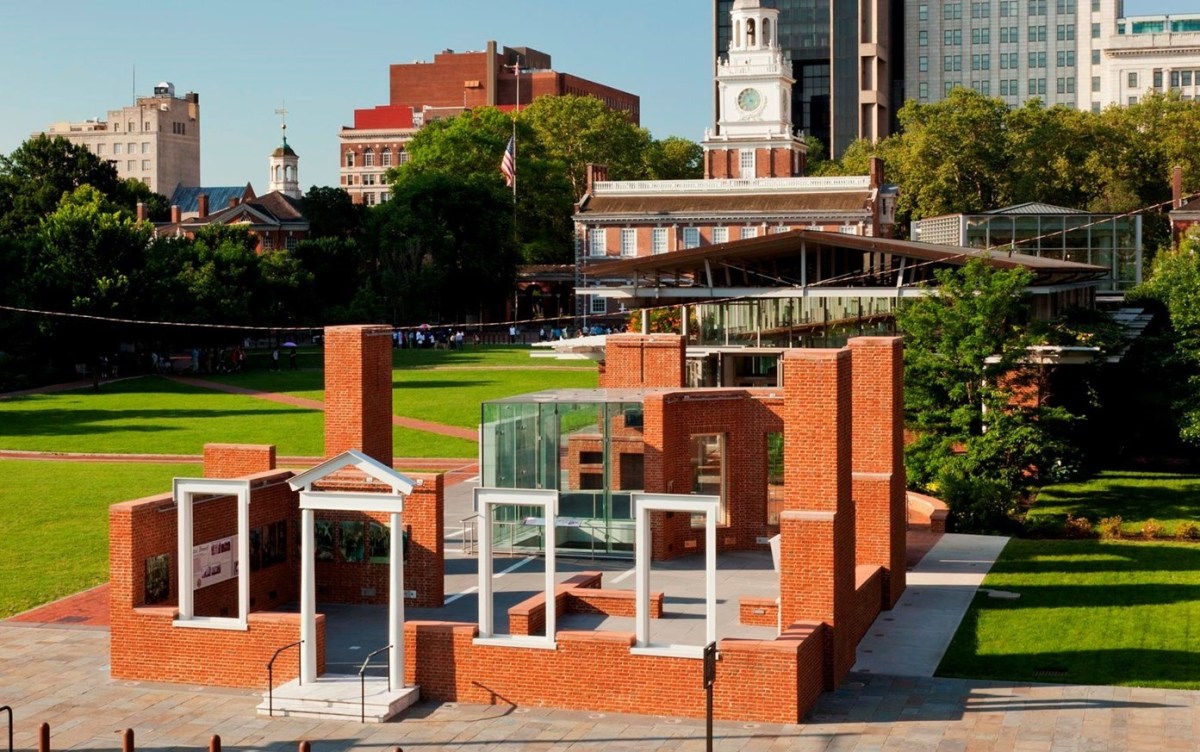
On January 22, 2026 – without notice to the City of Philadelphia – the National Park Service unilaterally removed artwork and interpretive panels from the President’s House Site that “tells the story of the paradox of liberty and enslavement in one home – and in a nation.” The story reflects decades of scholarly research about the nine enslaved Africans who were brought by President George Washington from Mount Vernon to work in the executive mansion.


The panels and artwork were unceremoniously tossed in the back of a pickup truck and taken to a “secure location.”

Before the signs were unloaded in the still undisclosed “secure location,” the City of Philadelphia filed a complaint in the U.S. District Court for the Eastern District of Pennsylvania.
The City contends that the Department of the Interior and the National Park Service violated a 2006 cooperative agreement that “through a series of amendments, detailed the design of the President’s House Project as well as the rights and responsibilities of the parties.” According to the complaint, “the City has an equal right with the NPS under these agreements to approve the final design of the President’s House Project.”
The City asks the Court to declare that the Defendants’ removal of the artwork and interpretive signs violates the Administrative Procedure Act. The City argues the Defendants “have provided no explanation at all for their removal of the historical, educational displays at the President’s House site, let alone a reasoned one.”
The City maintains “there is no statutory or other authority for the Secretary to remove and destroy [National Underground Railroad Network to Freedom] sites after designation and doing so runs counter to the express purpose of the Administrative Procedure Act.”
The bottom line: The City seeks “An order restoring the President’s House Site to its status as of January 21, 2026.”
Pennsylvania Gov. Josh Shapiro posted on X that “Donald Trump will take any opportunity to rewrite and whitewash our history. But he picked the wrong city — and he sure as hell picked the wrong Commonwealth. We learn from our history in Pennsylvania, even when it’s painful.”

Shapiro said he will file an amicus brief in support of the City’s lawsuit.
Facts are stubborn things. On May 23, 1796, Frederick Kitt, steward of the presidential household, placed an ad in the Philadelphia Gazette and Universal Daily Advertiser offering a ten dollar reward “to any person who will bring [Oney Judge] home. Oney “ABSCONDED from the household of the President of the United States” on May 21, 1796.


The National Park Service designated the President’s House a National Underground Railroad Network to Freedom site in 2022.

Trump’s attempt to alter the facts and whitewash the history of the President’s House will not stand.









 PHL Watchdog